Hello, I’m Dr. Park Yeol, Director of Doctor Prime Dental Clinic.
Today, I’ll talk about retainers worn after orthodontic treatment is finished.
Once orthodontic treatment is complete and the braces are removed, teeth have a tendency to return to their original positions from before treatment.
As the roots of the teeth move back to their original positions within the jawbone, the teeth can become misaligned again.
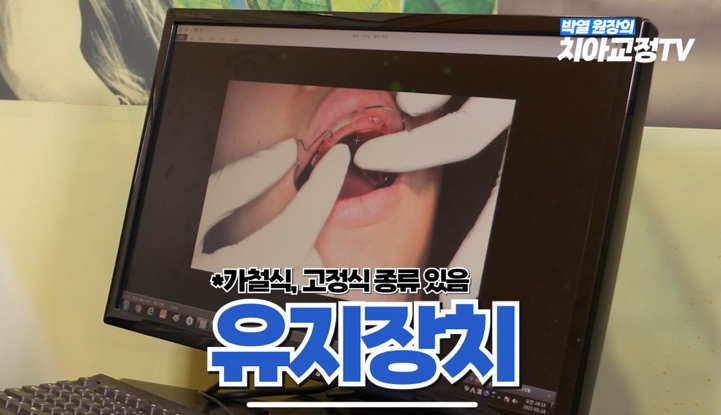
That’s why, after orthodontic treatment, you need to wear a device called a retainer, which fits in like a denture.
In particular, for about the first year after treatment, it must be worn every day. After that, the wearing time should gradually be reduced, but opinions differ slightly among doctors, so you should follow the instructions of the orthodontist who treated you.
But...
After treating orthodontic patients for a long time, I often come across the following issues and think about them a lot.
For patients, it is difficult to wear a retainer for a long time—5 years, 10 years, or more after orthodontic treatment is finished.
When I listen to patients who had orthodontic treatment at other dental clinics, especially teenagers...
Once treatment is over, they’re told that the clinic has done everything it can, and if the teeth shift again, it’s because the patient didn’t wear the retainer properly. To prevent that from happening, they’re told to wear the retainer every day. In the end, that’s what it comes down to.
From the patient’s perspective, many said that the happiness of just finishing treatment was short-lived, and they immediately felt a heavy sense of responsibility(?) and stress.
Moreover, many patients said they did not fully realize how important retainers were because there had not been enough explanation about why they needed to wear them.
So the most common situation is this: after finishing orthodontic treatment, they diligently wear the retainer every day for 3 to 4 months, but one day they feel tired or bothered and skip it for a day or two. Then it becomes 3 days, then a week, and so on.
If you don’t wear the retainer for more than 1 to 2 weeks, the teeth will start to shift a little.
And when you put the retainer on, the areas where the teeth have shifted will feel tight, making the retainer uncomfortable to wear. As a result, the number of days you don’t wear it keeps increasing.
If a retainer that used to fit well suddenly no longer fits properly, some students will keep wearing it anyway even though it feels unnatural (in this state, the retainer does not do its job at all; it’s essentially the same as not wearing it).
Some students, on the other hand, stop wearing it altogether from that day because it feels uncomfortable.
If the retainer doesn’t fit well or feels uncomfortable, you can call the dental clinic and ask what to do. But because the patient didn’t keep to the promised wearing schedule, many people seem to avoid calling and simply continue not wearing it. Then the situation gets worse.
The thing about retainers is that even if the teeth are only slightly shifted, the retainer won’t fit well.
So if you keep not wearing it, the teeth will gradually shift more and more.
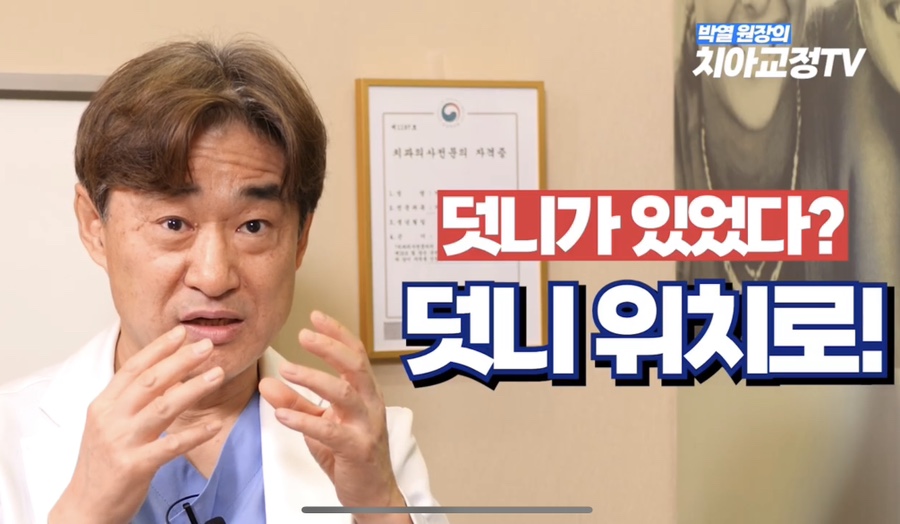
For people who originally had protruding canine teeth, if they stop wearing the retainer properly, the teeth tend to shift back in the direction of protruding again. And for people whose teeth were misaligned, those teeth return toward their former misalignment.
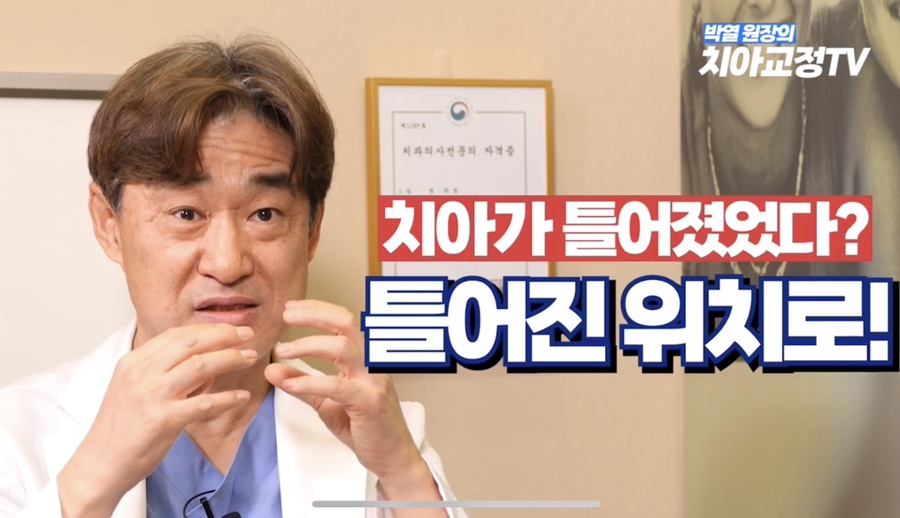
If someone originally had gaps between the teeth, the gaps can open up again. If someone had a premolar extraction, the extraction space can reopen. And if someone had an underbite, relapse can occur in the direction of the underbite coming back.
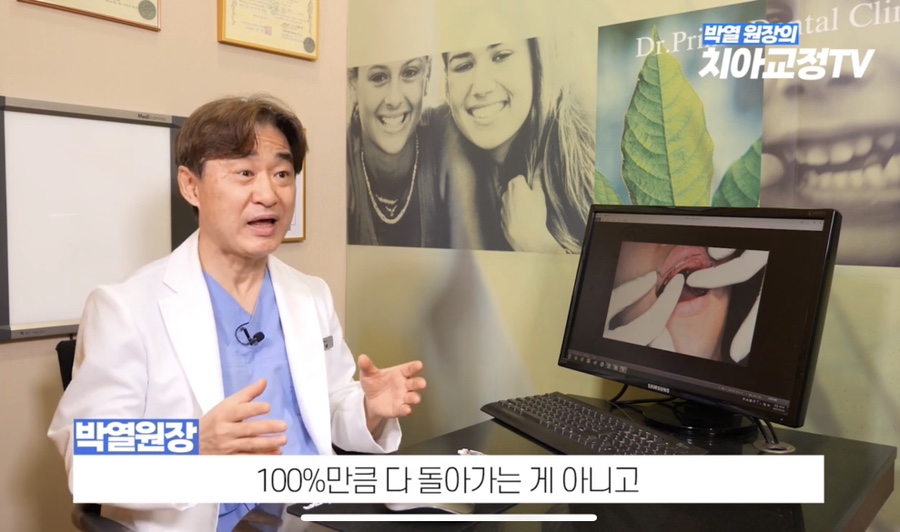
When orthodontic treatment has corrected the teeth 100%, not wearing a retainer after treatment does not mean the teeth will return 100% to their original state. In many cases, they return about 20 to 30%.
(This does not mean that 20 to 30% of patients relapse; relapse happens in everyone, but that is the degree to which the teeth shift back.)
Still, even that amount of relapse is noticeable.
So it is important to know how to keep your teeth straight for a long time without stressing about relapse after orthodontic treatment.
The guidelines I give to patients who have completed orthodontic treatment are as follows.
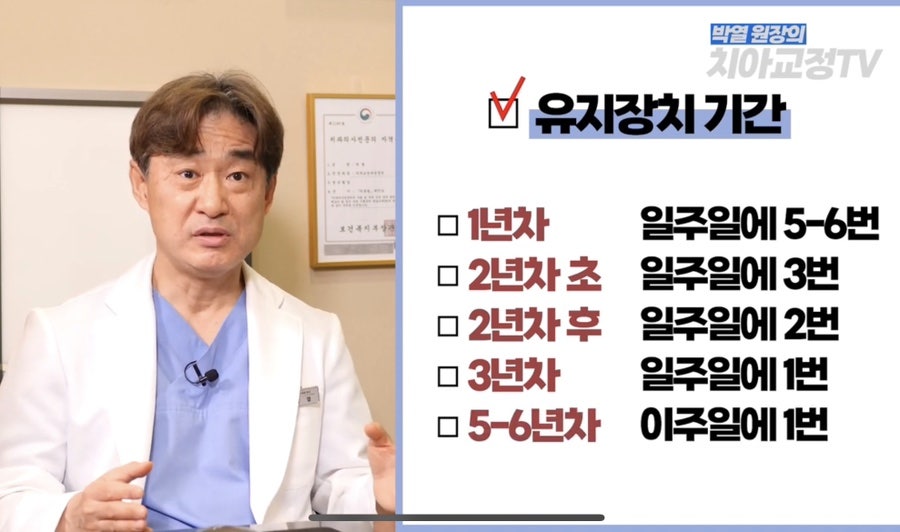
After orthodontic treatment, I tell them to wear the retainer while sleeping at least 5 or 6 days a week for one year.
It’s okay to take a break for about one day a week, but it’s best to wear it as close to every day as possible. For people whose work is not affected by it, it would be even better to wear it during the day as well for this period.
If you wear it well for one year, the teeth become stable, so from the second year onward, you can wear it every other day. Of course, if wearing it every other day causes a lot of tightness, then I tell them to wear it more often.
In the third year after finishing treatment, I have patients wear it two or three times a week.
For people whose orthodontic treatment ended more than 5 years ago, I tell them to wear it about once a week, but the following situation can also happen.
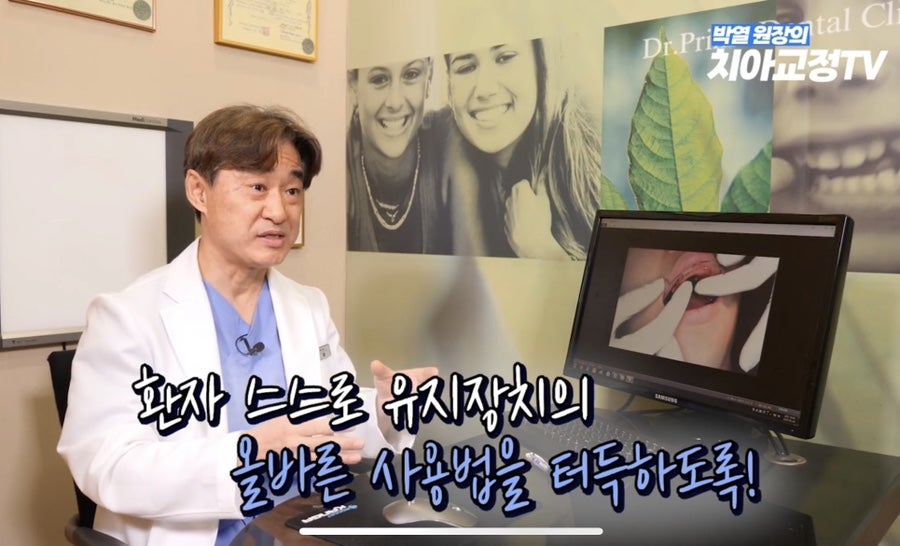
If you wear it once a week and it fits well, then you can wear it again after another week. But if you wear it once a week and it feels tight and does not fit well, that can happen too.
In that case, wearing it for one or two more days will make it fit better. Once it fits well, you can go back to wearing it once a week.
By wearing the retainer this way, you naturally learn with your body, “Oh, this is how I should wear my retainer.” Then you no longer need to worry about your teeth shifting.
Even after doing all that, if the retainer still feels too tight and causes strong pressure when worn, you can come to the clinic and have the plastic part of the retainer partially adjusted. Then it will fit better.
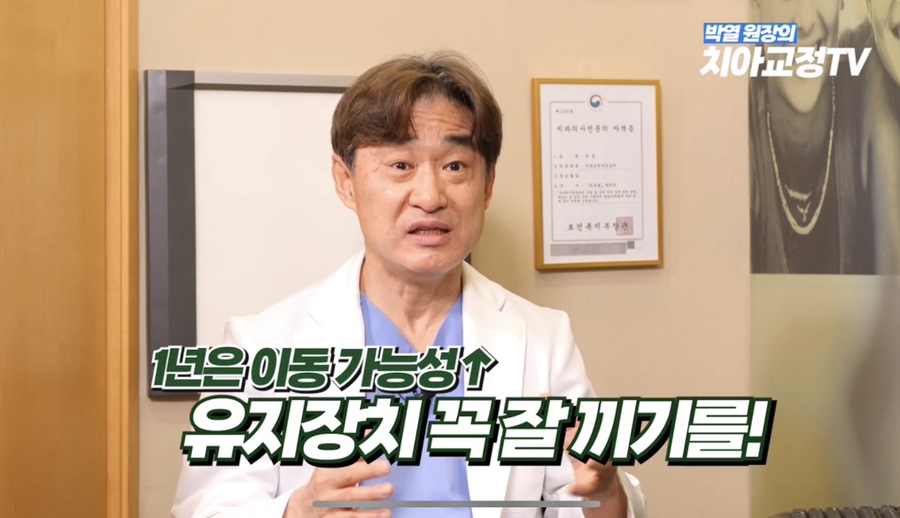
In conclusion, you should wear the retainer properly for at least one year after orthodontic treatment.
That is because the first year after treatment is the period when the teeth are most likely to move back.
▼ If you want more detailed information ▼