You need to think about how to fill the gap left by a natural tooth.
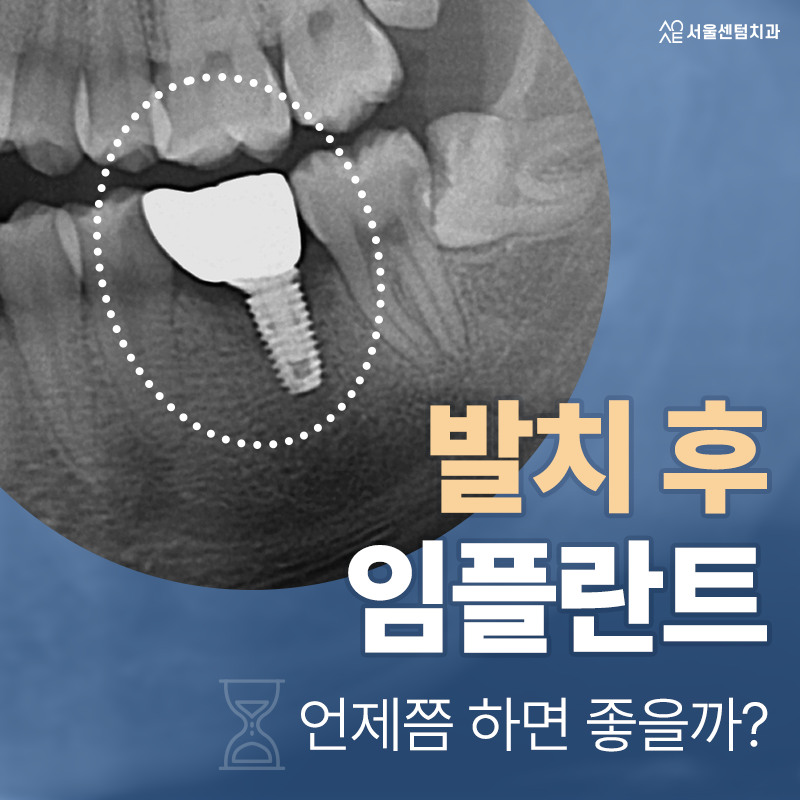
If the condition of the tooth is very poor for various reasons,
extraction is often the better option.
After that, restoring the empty space is
essential for maintaining oral health~
If left alone, gum bone resorption or
bite imbalance can progress.
For this reason, many people consider bringing forward the timing of an implant after extraction, but
when it can be done may vary
depending on the situation!
Although implants can provide functions similar to natural teeth
and also help from an aesthetic standpoint,
a customized procedure must be performed
for them to be used long-term without problems.
Can it be done immediately regardless of the timing after extraction?

Many patients want it done right away, but
it is not possible in every case.
If there is remaining inflammation or severe damage to the gum bone,
an appropriate situation is not present,
so enough recovery time is needed.
On the other hand, if there is little to no inflammation and the bone condition is good,
it may also be possible to proceed on the same day.
Because the judgment made at this stage has a direct effect on the stability of later treatment,
a plan tailored to each person's oral structure
must be established.
The oral structure determines the placement timing
Since an implant is a structure fixed to bone,
the condition of the alveolar bone is a very important factor.
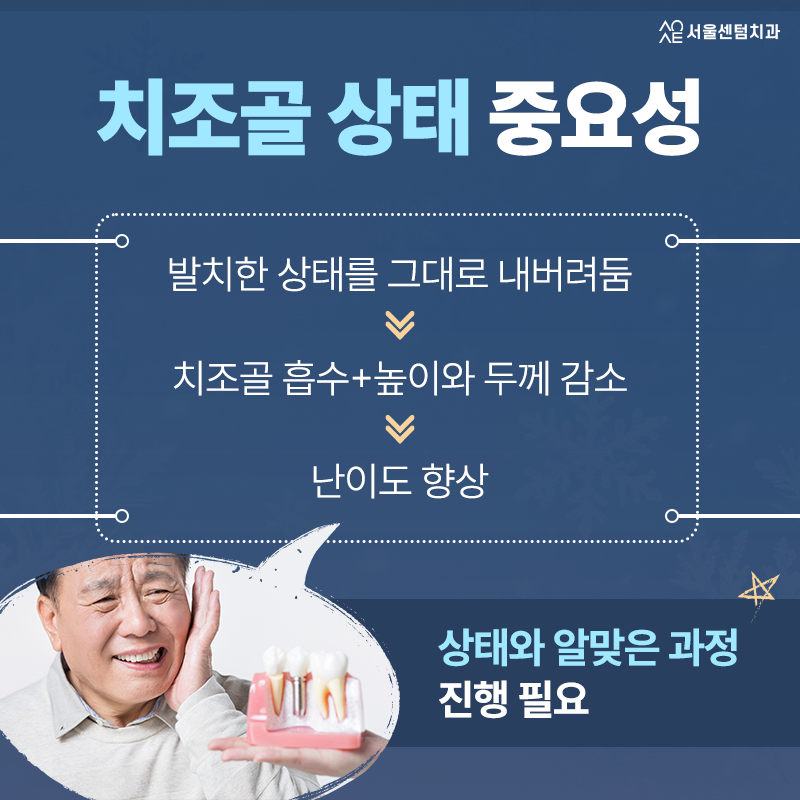
As time passes after extraction,
the alveolar bone that no longer receives stimulation gradually resorbs,
and its height and thickness decrease.
If this happens, it becomes difficult to properly secure
the placement angle and depth, right?
So sometimes, rather than "waiting and doing it later,"
"placing it right away"
actually has a higher success rate.
You can think of the timing and surgical method as being determined
based on the oral condition.
The meaning of the waiting period between extraction and placement

In cases where it is not done immediately,
as mentioned above,
the gums and bone are given time to heal.
During this period, the fixture integrates with the bone,
creating an environment that is good for moving on to the next step.
Usually, several weeks to several months are needed,
and the exact time varies depending on
a person's recovery speed and overall health condition.
This waiting period is
less about postponing treatment and more about
preparing for the next step in a more stable way.
Because it is a phase that can have a positive effect on the outcome in the long term,
it needs to be considered depending on the situation^^
Factors considered when selecting the timing for an implant after extraction
When making a treatment plan, not only the bone condition but also
the bite direction, the distance to adjacent teeth,
and gum thickness are checked together.
In particular, the molar area is subject to strong chewing forces,
so structural stability is evaluated as even more important.
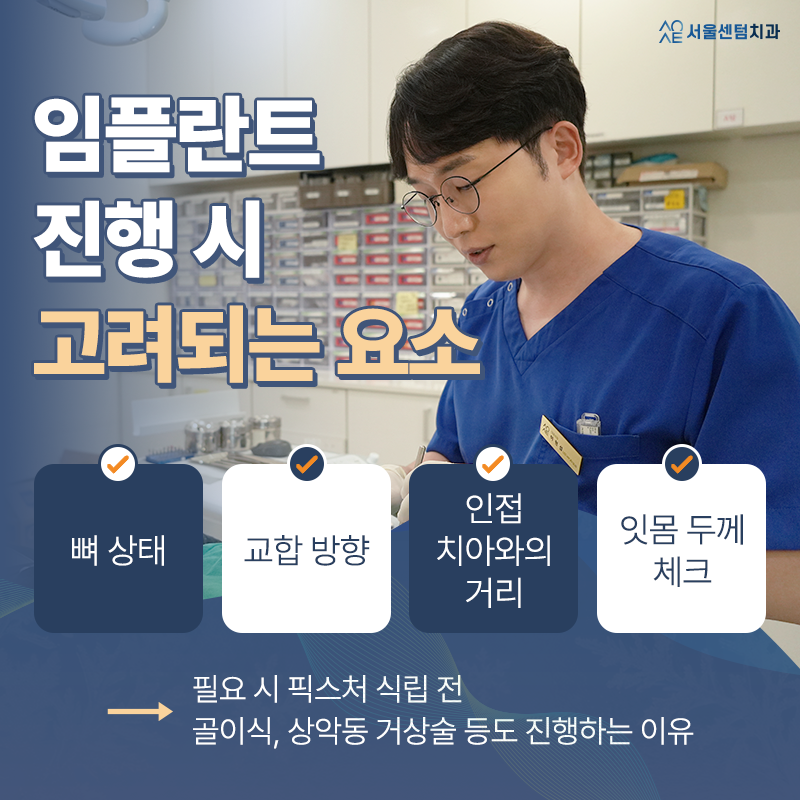
By comprehensively reviewing these factors,
the placement position and angle are determined,
and if necessary, auxiliary procedures such as bone grafting or sinus lifting
may also be included.
They are needed to ensure long-term stability.
Therefore, accurate analysis and diagnosis must come first
from the very beginning.
Care before the prosthetic is attached is also important.
After placement, you should avoid excessive chewing
and pay close attention to hygiene management.
Even if a temporary prosthetic is used until the final prosthetic is fixed,
care is needed so that the biting force is not
placed on it too heavily.
At this stage, care is needed not only through checks at the dental clinic
but also at home or outdoors,
and the key is to keep it clean.
Checking the recovery status through regular visits
and reporting even small problems early helps
keep the flow through the prosthetic stage stable.
If there is any discomfort, rather than staying silent,
I recommend that you обязательно inform the dental clinic.
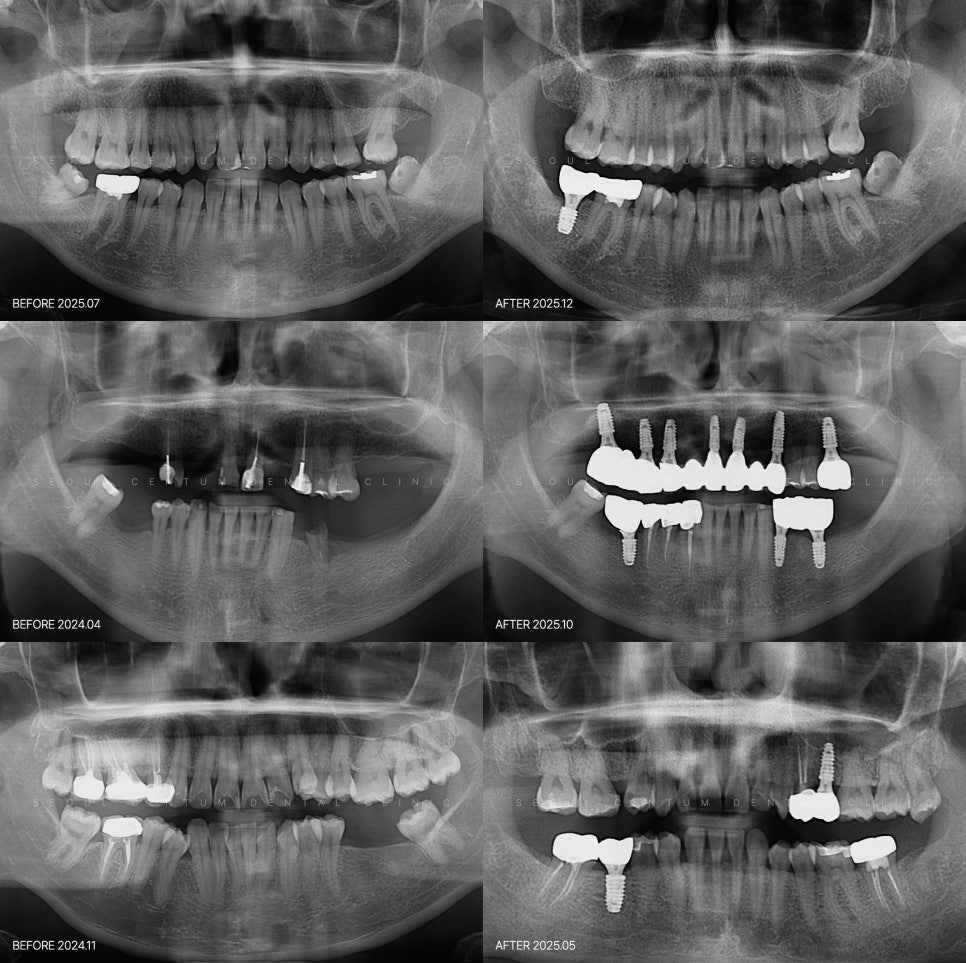
What is more important than the fact that a tooth was extracted
is "how to restore it afterward?"
That is the main point of today’s content.
If the empty space is left untreated,
adjacent teeth may shift and other changes in the space may occur,
which can make the procedure more difficult,
so the treatment direction should be decided at the proper time.
The same applies to areas where a tooth has already been lost.
Because the approach differs depending on each person's oral environment and recovery conditions,
it is best to receive thorough consultation and diagnosis.
If you understand and prepare for the entire treatment process,
you can expect results that consider both function and stability.
The importance of aesthetic prosthetic treatment for the front teeth
Curious about the implant procedure?