I feel as though my teeth are tilted diagonally inward, and I would like to improve their appearance.
They are not severely crooked,
and I do not have overlapping teeth,
but sometimes they appear to be tilted inward overall.
Even when they look straight from the front, they can appear to be curled inward when viewed from the side.
This is sometimes described as making the teeth look overly tucked inward.
In cases like this, some people feel that there is not enough support for the lips,
making the mouth appear recessed or
making the lips look thin.
If the teeth are small, as with undersized teeth, or have a relatively rounded shape,
this impression may be more noticeable.
If it bothers you, orthodontic treatment may be worth considering.
Is it possible to straighten the teeth through orthodontic treatment for undersized teeth?
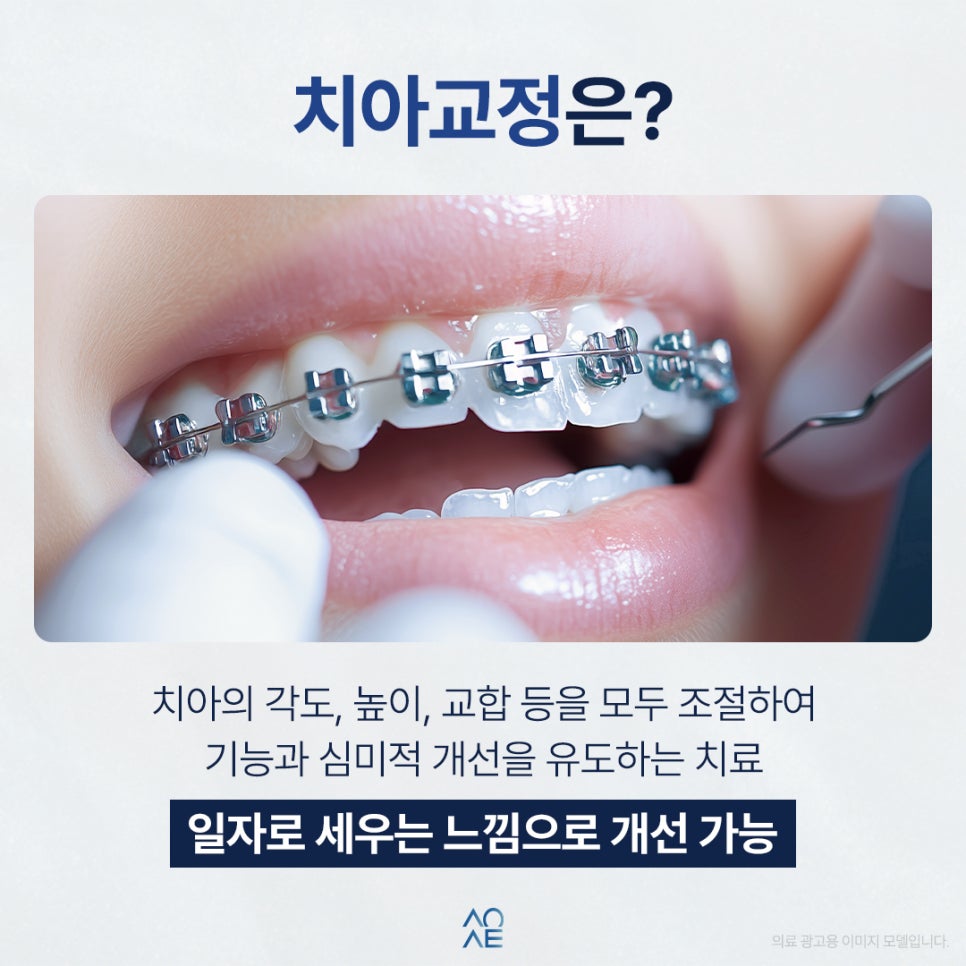
This approach does not simply straighten crooked teeth.
It can also adjust their front-to-back inclination, height, and bite together.
In particular, when the teeth are tilted inward, the treatment can be planned to straighten them to some extent during orthodontic treatment.
This is referred to as controlling the torque of the front teeth.
Torque is the concept of adjusting the inclination of the roots and crowns.
It is important when planning treatment if the front teeth are angled too far inward
or, conversely, protrude too much.
Therefore, it may be possible to improve their appearance so that they look more upright.
I would also like to know whether they can be made completely perpendicular.
The angle can be adjusted to a certain extent,
but there are limits to changing the teeth to a completely vertical position as much as desired.
Teeth move within the jawbone.
If they are moved excessively beyond the available bone,
problems such as thinning of the gums or an unnatural protruding appearance of the teeth may occur.
In other words, treatment should not be planned solely around the desired shape.
The jawbone, root position, and bite stability must also be taken into consideration.
Could this also make the lips look fuller?
When the front teeth are tilted inward,
the sense of support provided to the lips from inside may feel insufficient.
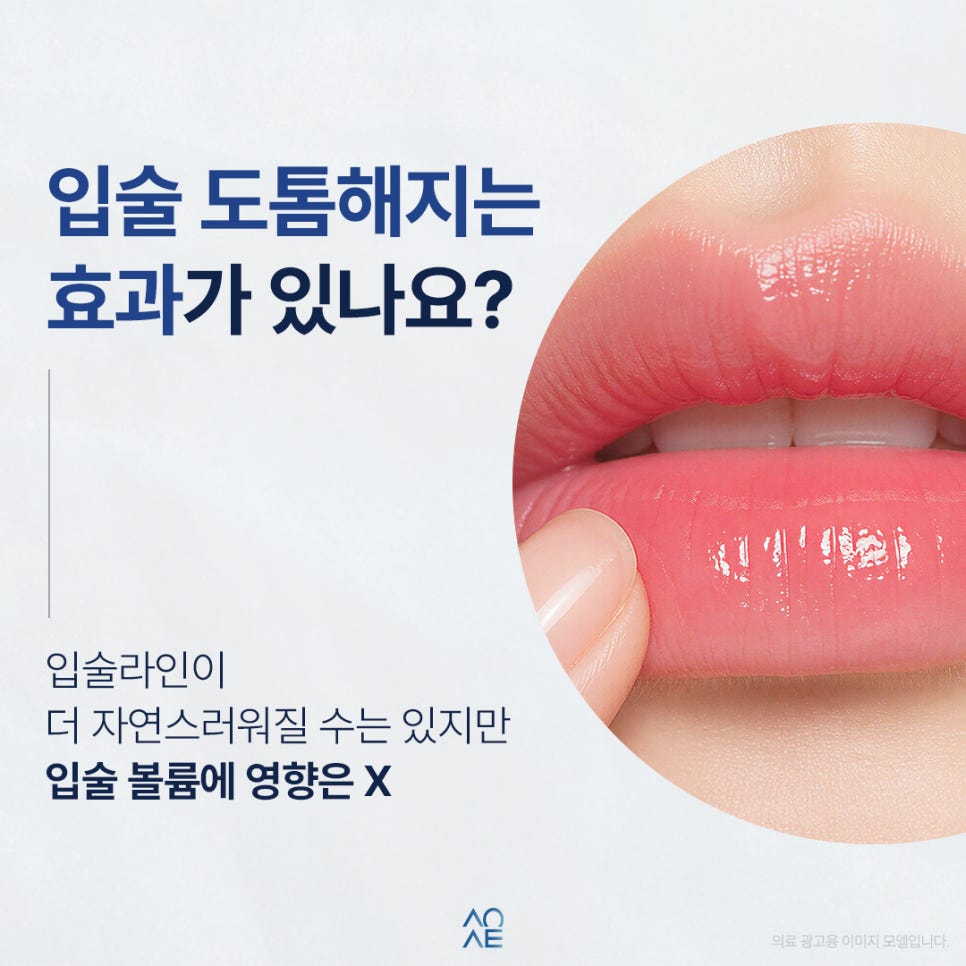
Therefore, improving the angle and alignment may create a change that makes the lip line look somewhat more natural.
However, this does not mean that the actual volume of the lips increases.
Because the positions of the teeth and alveolar bone supporting the lips from inside change,
the lips may look less tucked inward,
or the facial expression may appear slightly softer.
Is orthodontic treatment for undersized teeth alone sufficient?
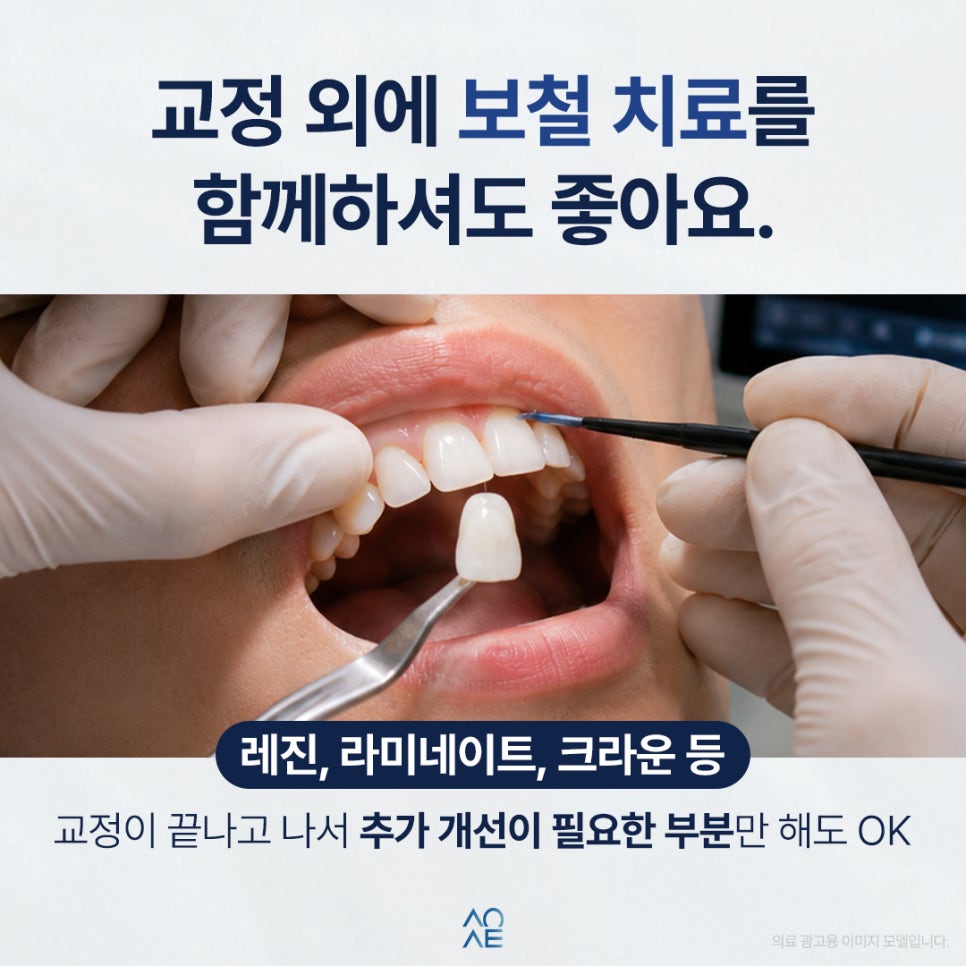
Even after treatment, spaces may remain between the front teeth,
or you may feel dissatisfied with their shape.
Although their position and angle may change,
their size and shape do not change completely.
In such cases, aesthetic restorative treatments such as composite resin, laminate veneers, or crowns may be considered together with orthodontic treatment.
The order is important.
If restorations are placed first while the tooth positions are not properly aligned,
the treatment plan may become more complicated later.
In most cases, it is more likely to produce a stable result to first align the tooth positions and bite through orthodontic treatment,
then use restorations to supplement only the areas that need improvement.
Could difficulty biting through food with the front teeth also be related to their shape?

If it is difficult to bite through food properly,
the cause may be a bite problem rather than the tooth shape.
If the upper and lower front teeth do not meet properly,
or if they are curled inward,
function may be impaired.
If this is uncomfortable, treatment should be based on an evaluation of the front-tooth bite,
the way the molars come together, and the position of the jaw during diagnosis.
What is important when considering orthodontic and restorative treatment together?
When undersized teeth and angle problems occur together,
it is better to plan the two treatments as one coordinated process.

As mentioned earlier, first use orthodontic treatment for the undersized teeth to stabilize their position, angle, and bite.
Then, any shortcomings in tooth size or shape can be supplemented with restorative treatment.
However, this is not necessary in every case.
If restorative treatment is performed, the amount of tooth reduction and the possibility of long-term maintenance should also be considered.

If your teeth currently appear tilted inward and you also have difficulty using your front teeth,
we recommend first checking their angles and bite through a diagnosis.
With a well-planned treatment approach, positive changes may occur not only in the alignment,
but also in the appearance of the mouth and overall impression.
Previous post
My teeth became sensitive while eating hard foods—could they be fractured?