I used a mouthguard before and injured my labial frenulum, so now I’m wondering what kind I should use.
In sports such as MMA and boxing, where the face may receive direct impacts, mouthguards are often worn to protect the teeth.
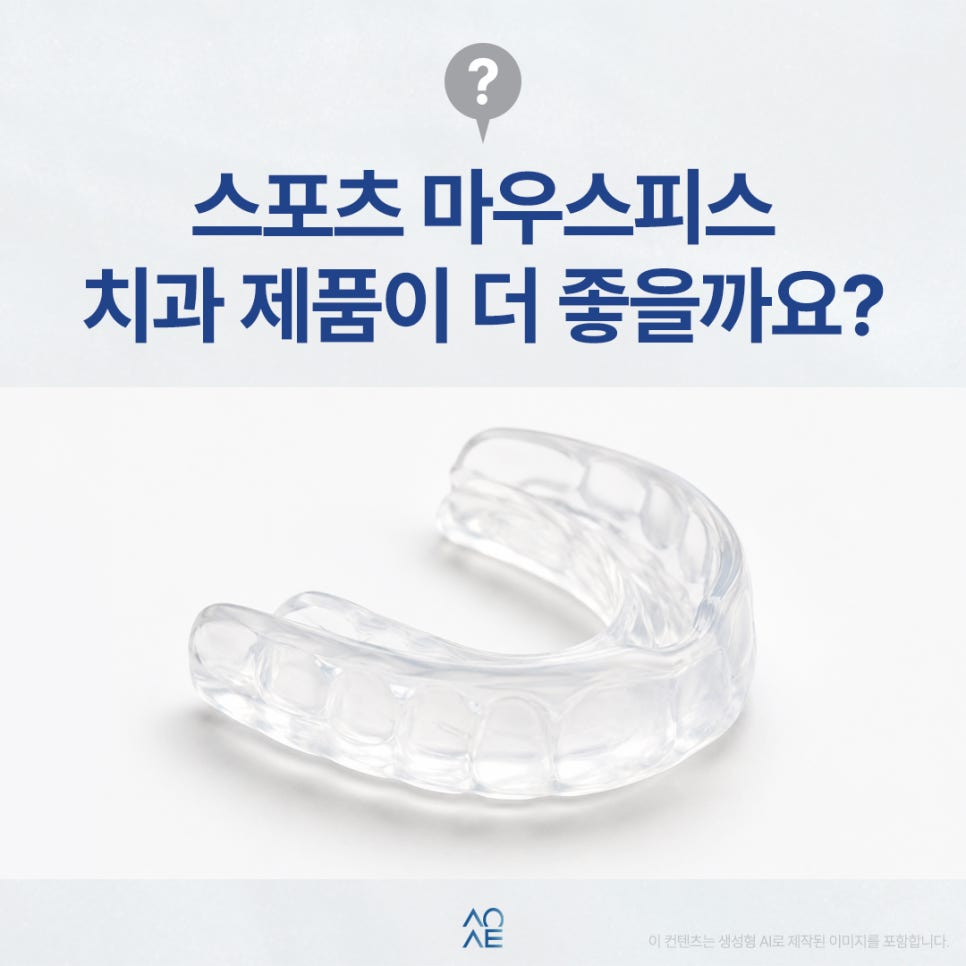
Even a product that fit well during everyday use can, after a strong impact during sparring, press the inside of the lips or the gums with its edges.
If you have once seriously injured the frenulum connecting the upper lip and gums, you should be cautious about using the same type of product again.
It is a good idea to check which areas inside your mouth are currently making contact, whether the edges extending toward the lips are too long, and whether the mouthguard stays securely in place during exercise before considering a new product.
What criteria should I use to choose a mouthguard for sports?

Along with shock absorption, you should check its stability, thickness, effects on breathing and speech, and the shape of the edges around the gums.
If it is too loose, it may come out when you open your mouth during exercise. Products that are excessively thick or extend too far up into the gums may continuously press against the lips and gums.
It needs to fit closely enough to stay in place to some extent even when you gently open your mouth, without shaking significantly when you are not clenching your teeth.
For comfortable wear, it should cover the areas around the front teeth and canines sufficiently without strongly pressing on the soft tissue inside the lips.
Can a long edge extending up to the gums injure the frenulum?
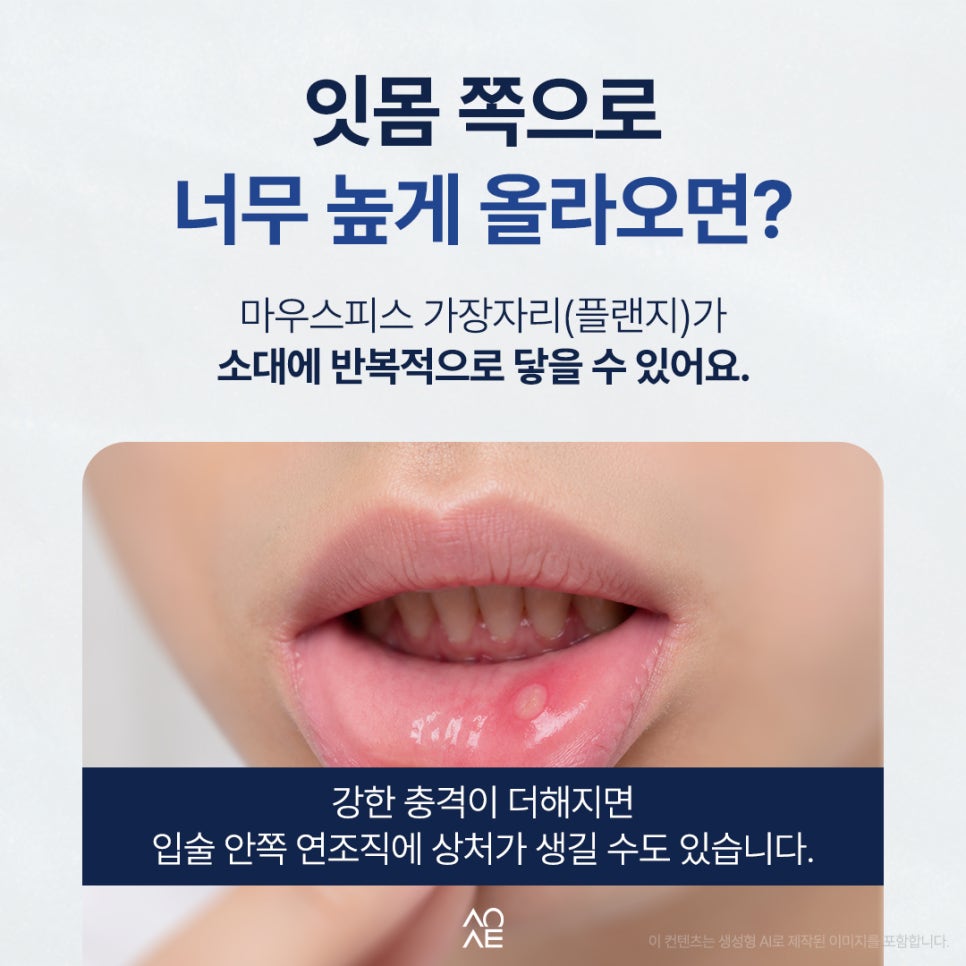
If the flange, the lip-side edge of the mouthguard, is too high or sharp, it can repeatedly irritate the area around the frenulum when you move your lips.
Even if it does not cause much discomfort normally, an injury can occur during exercise if an impact presses the lips and the edge comes into forceful contact with the soft tissue.
Contact is more likely to occur even with the same product if the upper labial frenulum is attached relatively low or is thick.
If you have previously torn your frenulum, you should check whether there is enough space around that area when choosing a new product.
Is a boil-and-bite custom-fit product made using boiling water also suitable?
Commercially available boil-and-bite custom-fit products can also be used for sports if they are molded properly.
Because they are molded to the teeth after the material is softened in water, they can provide a closer fit than standard, ready-made products.
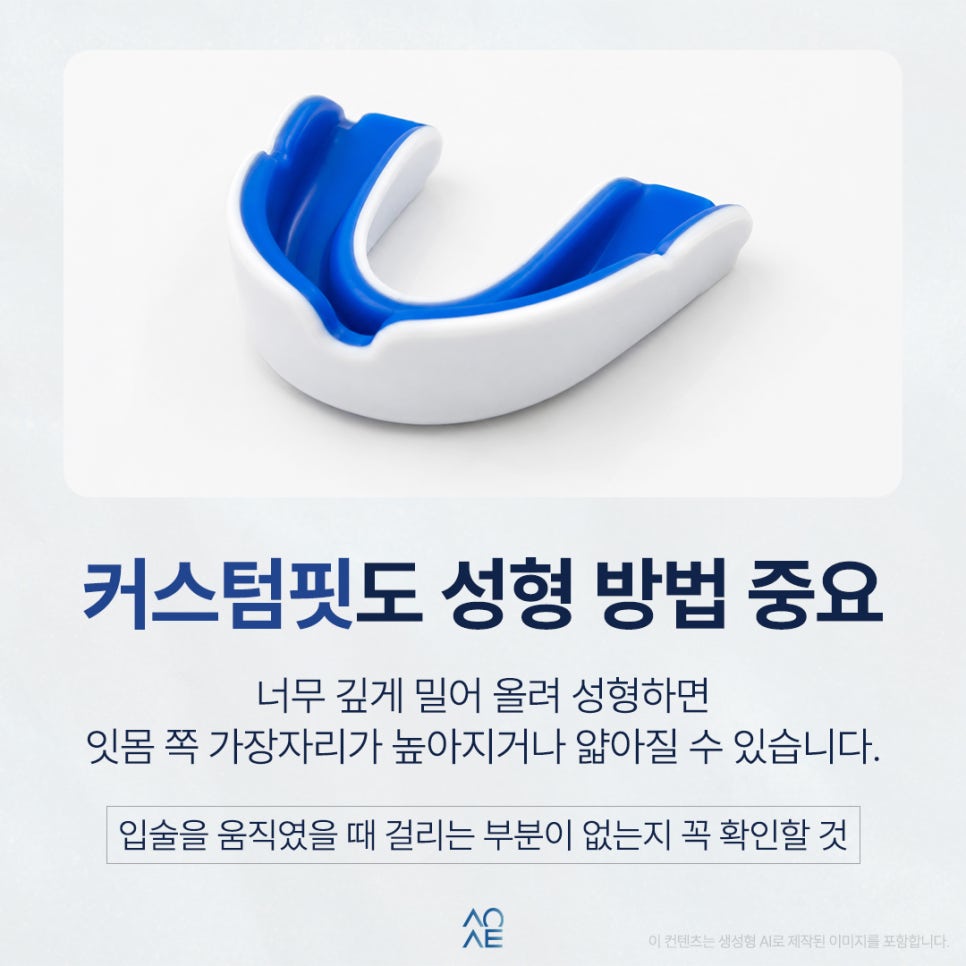
However, be careful not to push the mouthguard too far upward or press the lip-side material too forcefully during molding, as this can cause the flange to become high and thin.
Even if you purchase the same model as your previous product, the fit may vary depending on the molding result. It is a good idea to check whether any particular area catches or is pressed when you pull your lips upward.
What is different about a custom dental mouthguard?

It can be made to fit an individual based on an impression of the teeth and gums or on oral scan data.
In addition to the alignment of the teeth, the edge coverage can be adjusted by considering the position of the frenulum, gum height, and bite.
If you have previously injured your lips or gums with a mouthguard, its shape can be refined to avoid the area that caused the problem.
Do I have to have one custom-made even if the price is a concern?

Not necessarily.
First, check whether the mouthguard you are currently using stays securely in place when your mouth is closed and whether any part catches on your gums or frenulum.
If you choose a new over-the-counter product, it is a good idea to compare sports mouthguard products with better shock absorption rather than choosing an excessively thin, inexpensive model.
After molding, check the edges carefully as well.
If a particular area continues to be pressed or injuries recur even after changing products, there is more reason to consider having a custom dental mouthguard made.
It is helpful to bring your existing mouthguard and show which part caused the problem when having a custom one made.

Whether you have an upcoming competition or not, avoiding another injury to the same area as before should come first.
When wearing your new product, move your lips up and down and be sure to check that the edges do not press on the injured area.
When having a dental mouthguard made, please keep in mind that you should clearly explain that it is for combat sports and provide sufficient information about your previous frenulum injury so that its shape can be adjusted more precisely.
Rather than wearing the completed product for the first time on the day of a competition, try it in advance during training and check your breathing, speech, and whether any areas are being pressed.

What should I do if my orthodontic miniscrew seems to be coming loose?
Do temporary teeth for veneers break often?