"It seems like my wisdom tooth is coming in, but do I really have to have it removed?"
A lot of people have concerns about wisdom teeth.
Whether it is really better to extract it,
if it does need to be removed, when is the best time,
and whether treatment might lead to swelling or pain afterward
.
.
.
These concerns often turn into a wide range of worries.
To help ease some of those worries,
I’ve prepared some related information.
I selected the questions people ask most often so this can be helpful,
and today, at Yeongdeungpo-dong Dental Clinic, I’ll talk about why it can be a problem when a wisdom tooth is geographically close to the inferior alveolar nerve canal,
and when you can eat after wisdom tooth extraction.
- Inferior Alveolar Nerve
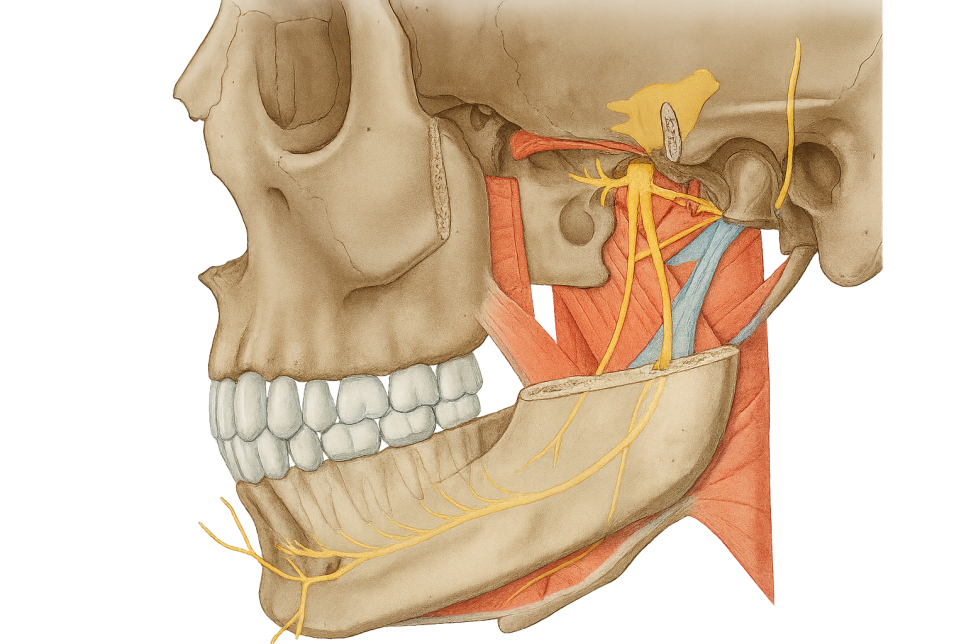
If you look at the photo prepared by Yeongdeungpo-dong Dental Clinic,
you can see the inferior alveolar nerve entering the mandibular canal from the mandibular foramen and running within the jawbone.
When a wisdom tooth is impacted within the alveolar bone
or its position is poor,
its close distance can become a problem.
When it gets close to a structure called the inferior alveolar nerve,
the necessary distance for treatment cannot be sufficiently secured.
That can lead to structural damage,
which may cause sensory disturbance, so caution is required.
If it is damaged, you may feel numbness as if the anesthesia has not worn off,
as well as burning, tingling, and various other sensations,
resulting in complex symptoms.
Usually, a panoramic X-ray is taken to check this.
The main trunk of the inferior alveolar nerve is not directly shown on an X-ray,
but the mandibular canal is visible,
so its course can be identified.
However, the posterior superior alveolar nerve and the incisive nerve do not appear on X-rays, and since they are relatively thick right after branching,
it is necessary to accurately identify the structure during treatment that may affect the jawbone.
That is why a CBCT, which provides three-dimensional data, is also taken for a more detailed observation.
I’ll explain that process while looking at the sample material prepared by Yeongdeungpo-dong Dental Clinic.
- Example Case
Yeongdeungpo-dong Dental Clinic Example Case
First Visit: Problem Analysis Stage
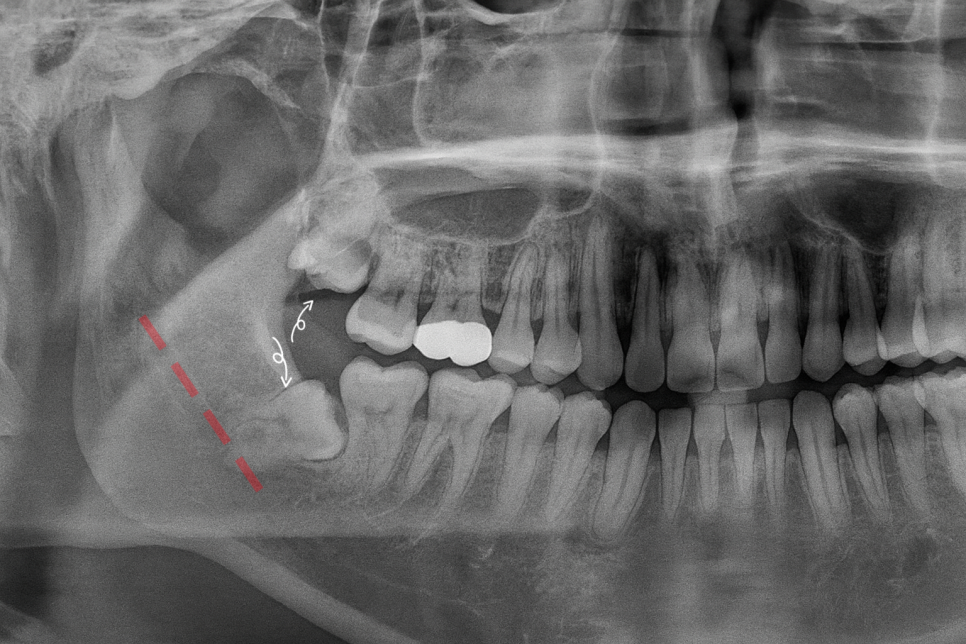
If you look at the panoramic image I prepared,
wisdom teeth are impacted on both the upper and lower right sides.
The maxillary tooth was erupting in a relatively straight direction,
but the mandibular tooth shows a horizontally impacted pattern.
Because both are buried within the alveolar bone,
they both require surgical extraction through an incision in the gum,
but since the impaction pattern is different, the mandibular case requires more detailed observation,
and if necessary, the tooth can be divided into several pieces before removal.
Yeongdeungpo-dong Dental Clinic Example Case
Diagnosis and Treatment Planning Stage
On the panorama, an overlapping appearance with the inferior alveolar nerve canal is observed,
so we will check further with CBCT.
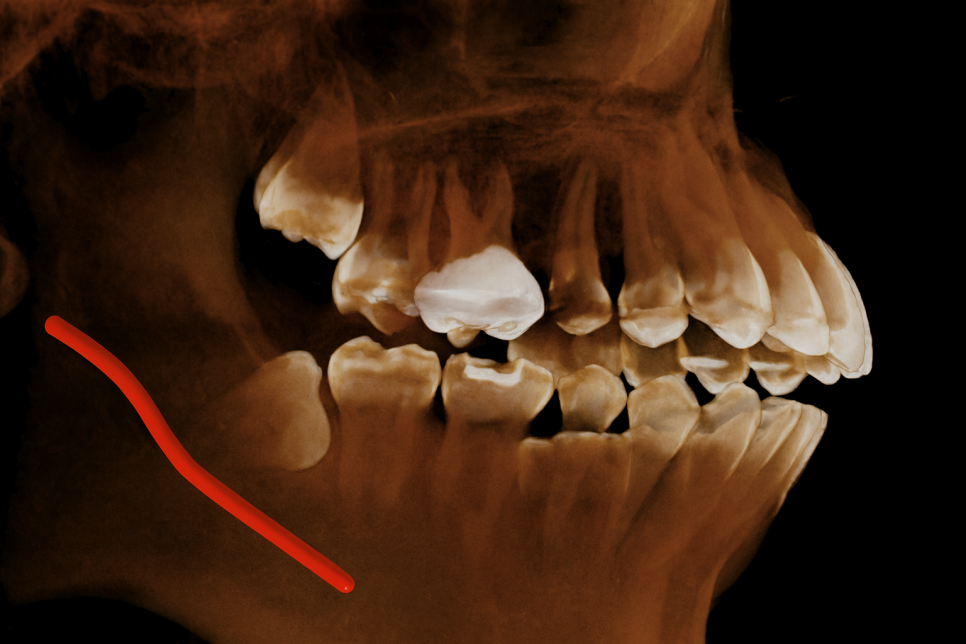
If you look at the image,
it runs below the wisdom tooth,
and the distance is judged to be very close.
However, it is not a case where it is directly touching or compressing,
so the minimum distance needed for treatment is secured.
In such cases, the usual approach is to remove it in sections.
Yeongdeungpo-dong Dental Clinic Example Case
Procedure Stage
The tooth is divided into two parts: the crown and the root.
Then the pieces are removed.
If the pieces are still too large to remove even after dividing,
the crown portion that was separated can be cut once more.
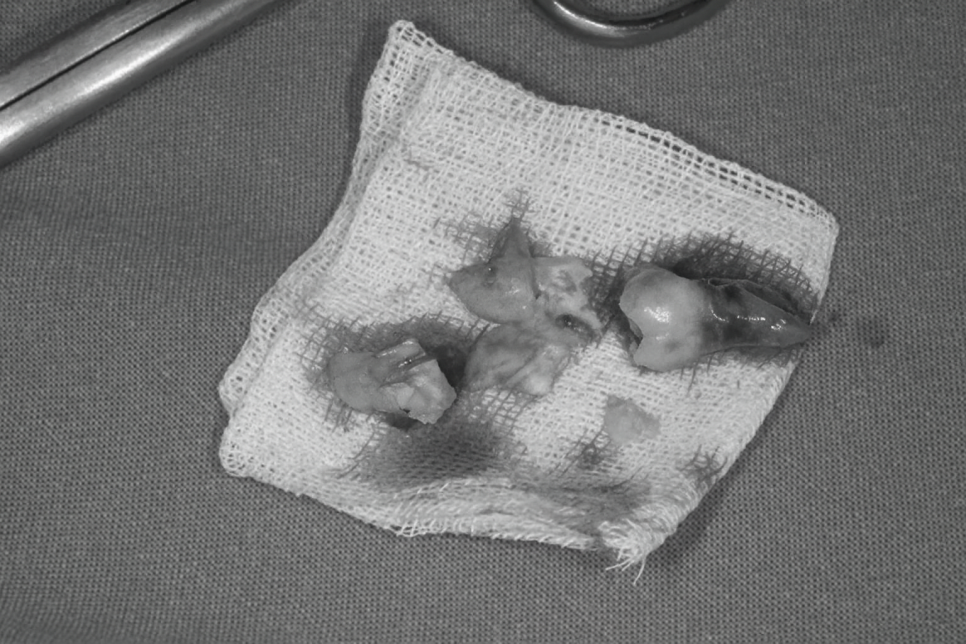
As in the example photo I prepared, when wisdom tooth extraction is performed by making several incisions,
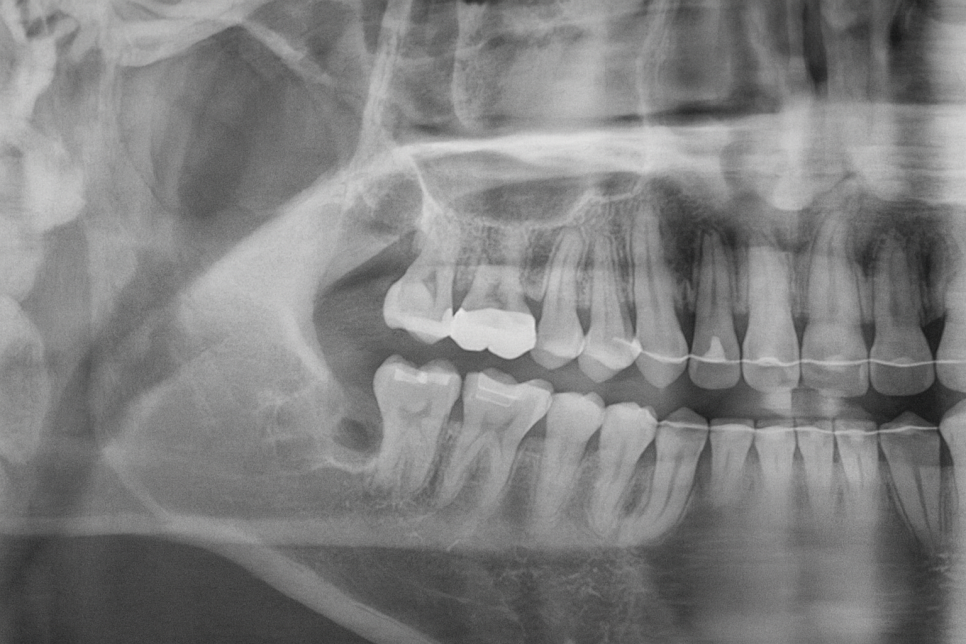
it is necessary to carefully check whether any small fragments remain in the alveolar bone.
- When Can You Eat?
After the treatment has been completed safely
through the series of steps,
some people ask this question.
"So... when can I eat after wisdom tooth extraction?"
Because anesthesia was administered before the extraction,
the sensation is very dull,
so eating right away is difficult.
This is because you may bite the soft tissues such as the cheek or tongue
and cause an injury.
So it is best to eat after the anesthesia gradually wears off and sensation returns.
The time it takes for sensation to return can vary depending on how much anesthetic was used,
or on systemic conditions,
but
in general, after about 2 hours,
the effects usually wear off and sensation returns.
That concludes the content prepared today by Yeongdeungpo-dong Dental Clinic.
In fact, there is a great deal of information to share about wisdom teeth.
I put this together based on the questions I have received most often,
and next time I’ll come back with more diverse updates.
This has been Kim Min-young, specialist in conservative dentistry.
Thank you.