Hello, I’m Kim Min-young, a prosthodontics specialist at Seonyudo Station Dental Clinic.
Implants are a way to restore about 80% of function after a natural tooth is extracted.
Sometimes, a case may require re-implantation after treatment or surgery.
There are many reasons for this, such as failure of osseointegration or peri-implantitis.
Today, at Seonyudo Station Dental Clinic, I’d like to talk about this topic.
What factors determine
whether an implant succeeds or fails?
Natural teeth receive support through roots embedded in the jawbone.
Likewise, implants gain retention by placing a screw called a fixture in place of the root.
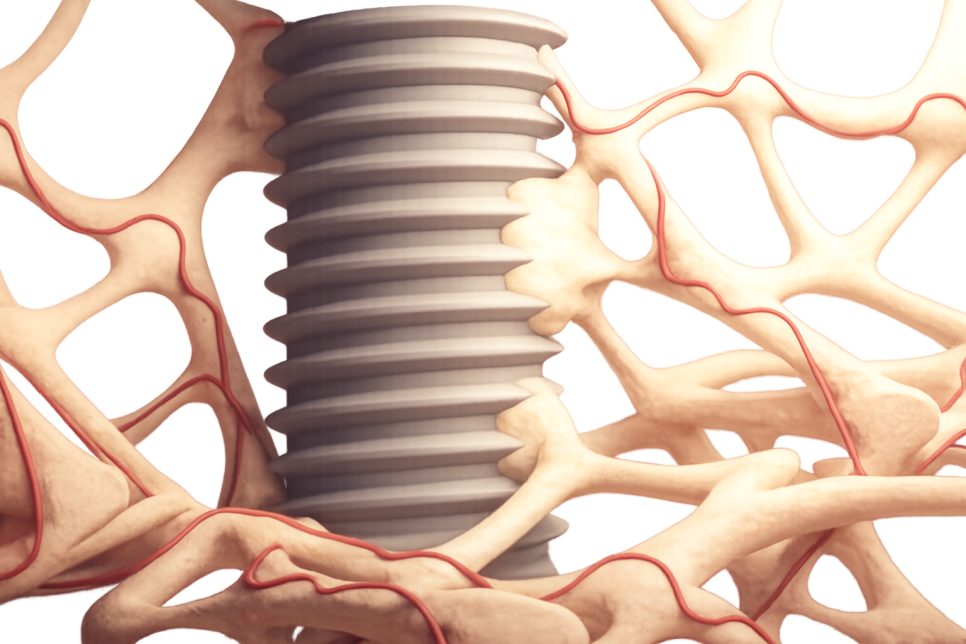
The important part of this process is [osseointegration].
Dr. Brånemark conducted an experiment by attaching a titanium can to a rabbit’s leg,
and later, when he tried to remove the can,
it would not come off.
At that time, he first discovered the concept of osseointegration, which is now widely used in many fields such as orthopedics and dentistry.
To replace a natural tooth,
stable healing must take place to secure osseointegration,
but sometimes this process does not go smoothly,
making treatment longer and more complicated.
At Seonyudo Station Dental Clinic,
I will explain three representative factors that hinder success.
- Timing of loading
You may have heard someone say, “We can place the prosthesis right after surgery.”
This is called [immediate loading].
Because it can improve some esthetic and functional aspects right after placement,
it can reduce patient discomfort,
but
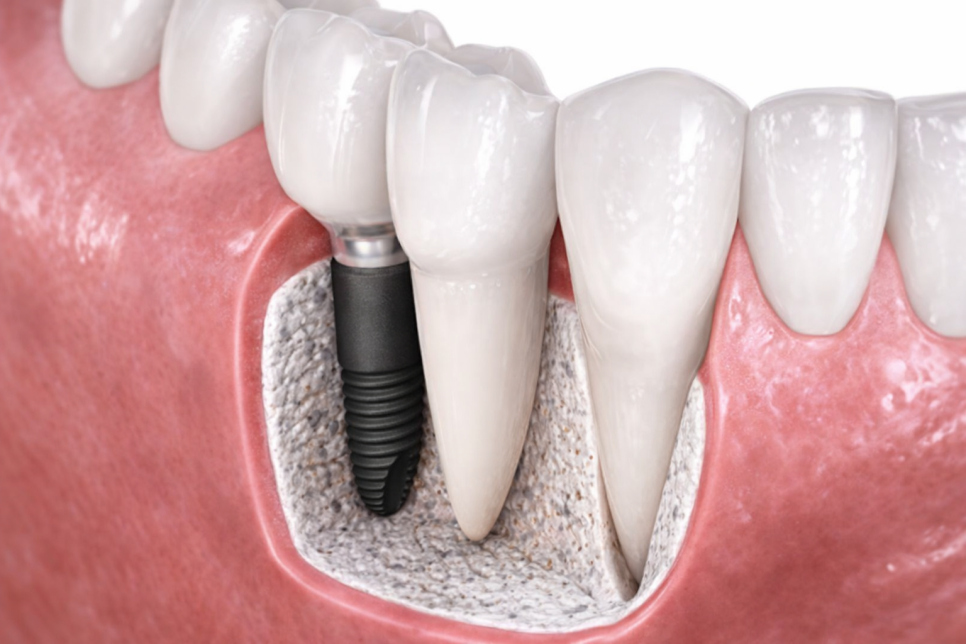
forcing a crown on too early may actually have a negative effect.
I’ll explain based on some of the papers prepared by Seonyudo Station Dental Clinic.
Depending on the timing, it can be classified as Early failure and Delayed failure.
If failure occurs within weeks to months after placement,
it is classified as Early failure.
Causes include traumatic osteonecrosis, bacterial infection,
insufficient initial stability,
and early implant loading.
If functional loading is applied and osseointegration is not established,
and stable conditions cannot be maintained,
this is classified as Delayed failure,
and it occurs due to infection and overload.
As the paper I found shows,
if the timing is not properly controlled,
excessive load during the fixture healing phase can interfere with healing.
- Fixture surface treatment
To promote good integration with the alveolar bone,
the surface treatment method of the screw differs slightly by company and product.
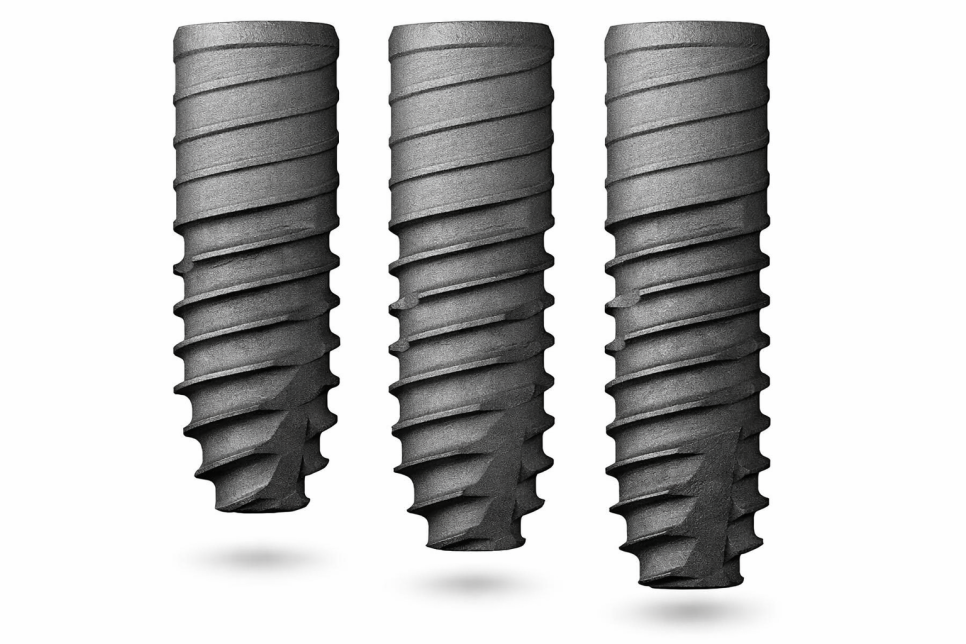
Looking at a study conducted by the Gangneung-Wonju National University research team on 4,063 patients,
which Seonyudo Station Dental Clinic reviewed,
there was a result showing that the success of surgery varied depending on the type of surface treatment.
In addition, screws formed with a rough surface by using a different cutting method
showed a significantly higher survival rate.
- Self-management
Host-related factors such as the patient’s age, sex, and systemic diseases
have an important effect on implant success or failure.

In particular, smoking is an important factor not only during the healing period
but also during the maintenance period after treatment.
In smokers, the implant survival rate was only 76.7%,
whereas non-smokers recorded 93%.
Also, when smoking, the risk of reoperation was 4.1 times higher.
The information introduced today by Seonyudo Station Dental Clinic is only part of the factors involved,
but the parts many people tend to overlook are more closely related than expected, right?
Let me summarize at the end.
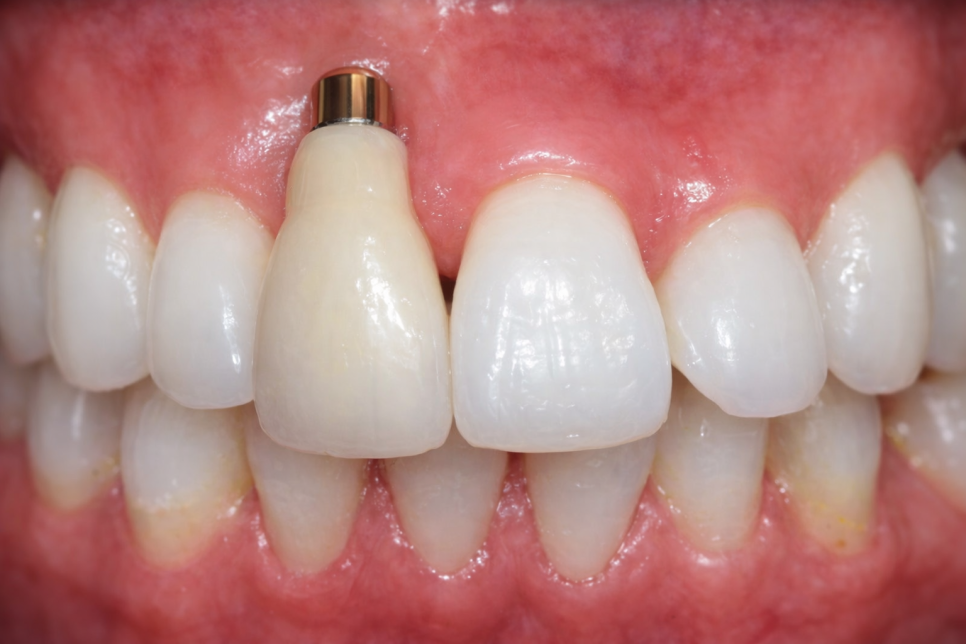
- Loading
If a prosthesis is placed on top of the fixture too early,
excessive force may be transmitted and interfere with healing.
It is important to restore esthetics and function quickly,
but forcing a prosthesis on after surgery may actually have a negative effect.
-
Fixture surface treatment
The way the screw surface is treated,
and how its shape is created,
affects the speed and degree of adhesion during the healing stage.
-
Self-management
Host-related factors such as the patient’s age, sex, systemic diseases, and smoking
have an important effect on implant success or failure.
Self-management factors such as smoking or drinking are things the patient can control on their own.
Other factors are difficult for the patient to check.
That is why smooth communication with a specialist is important.
The treatment plan, including the overall condition of the oral cavity and which option is more favorable,
should be decided through smooth communication.
That’s all for the information prepared by Seonyudo Station Dental Clinic.
I hope this was helpful, and I’ll end the post here.
This has been Kim Min-young. Thank you.