Hello, I’m Kim Min-young, a conservative dentistry specialist at a dental clinic near Seonyudo Station.
When restoration is needed due to tooth decay or a fracture,
prosthetic treatment must be chosen.
Many people are curious about the different types of prosthetics.
I think that may be because, from the patient’s perspective,
they seem different by just a small margin.
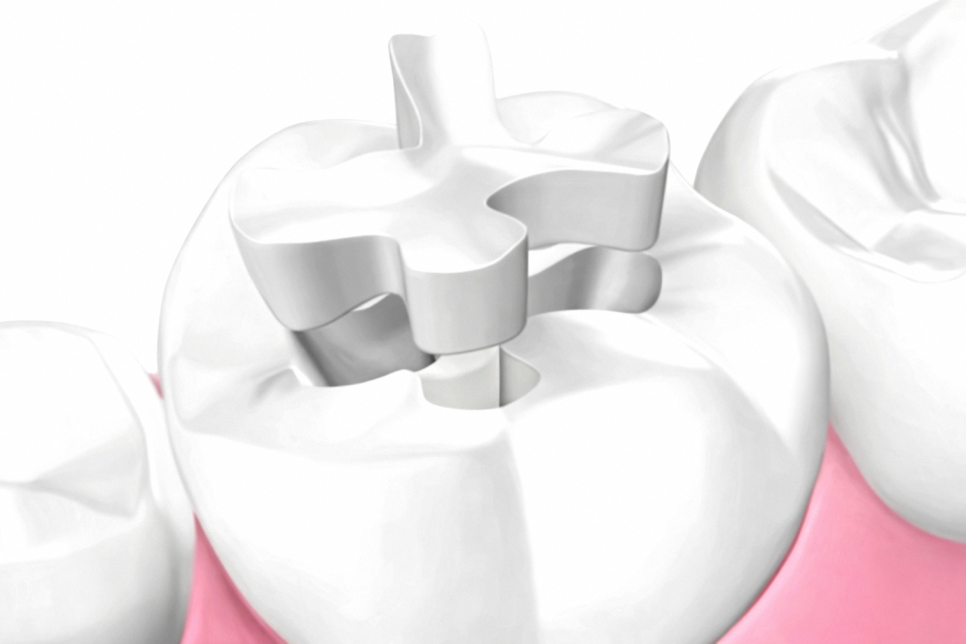
Today, I’d like to share information about
inlays and onlays.
If you have had related questions,
or if things were not easy to understand during a consultation,
I’ve put together useful information
that may help, so please be sure to read until the end.
- Inlay
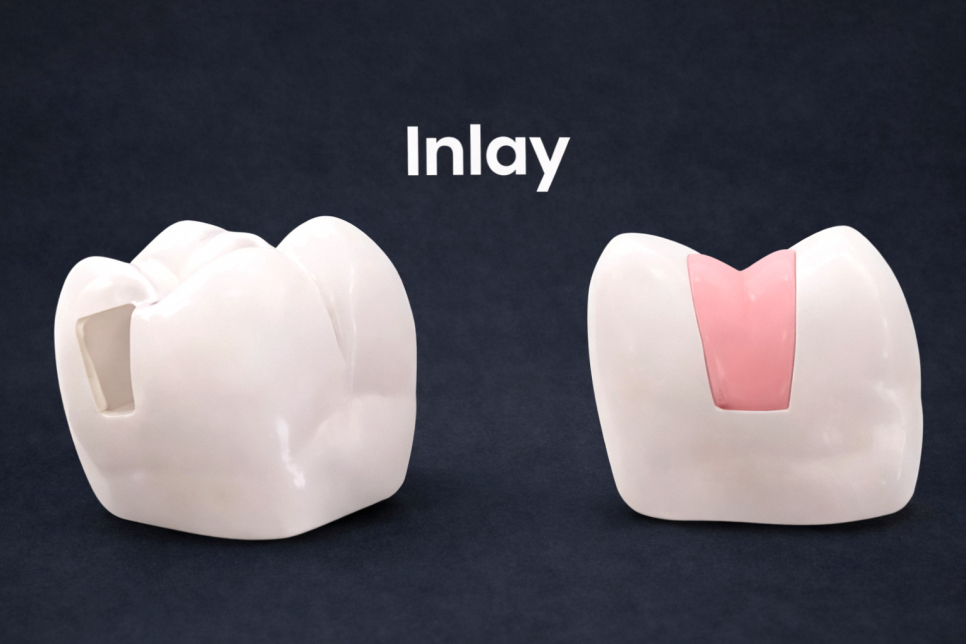
When the extent of decay or fracture is extensive,
but the tooth is not damaged enough to require a crown,
and when it is judged that filling materials such as resin alone
would not be durable enough,
an inlay can be used.
It is usually made of gold, composite resin, or ceramic,
and because it is an indirect restoration method in which the prosthesis is bonded with adhesive,
it has the advantage of being more durable
than filling with resin.
Many of you may already be familiar with inlays.
At the dental clinic near Seonyudo Station, I’ll now explain onlays.
- Onlay
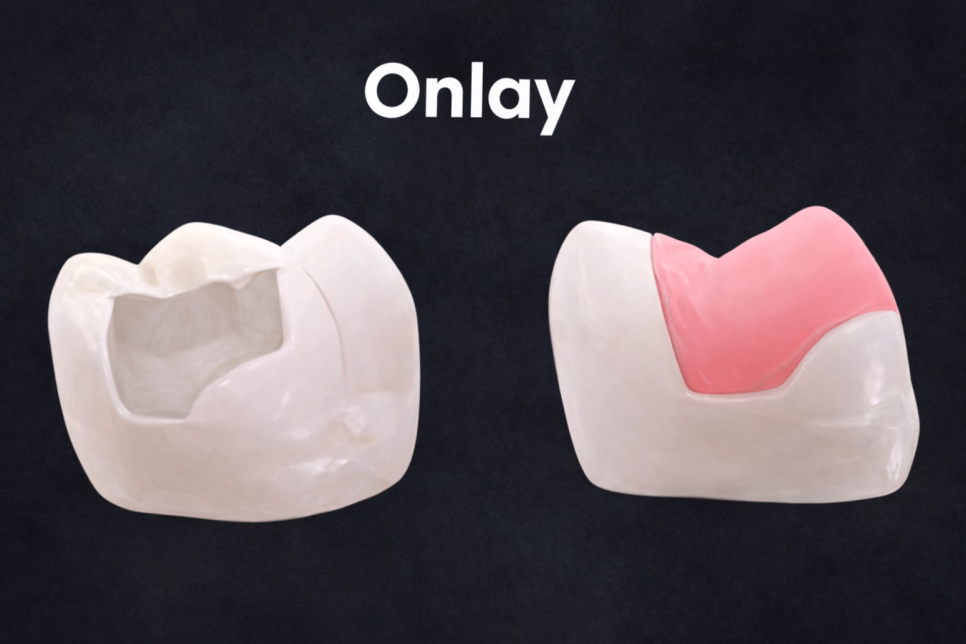
When the area of decay or fracture is even wider than for an inlay,
and includes the edge of the tooth,
but it is still not considered severe enough to require a crown,
an onlay can be applied.
Like the prosthetics described above,
it is made from materials such as gold or ceramic,
and since it is made to fit precisely the prepared cavity,
after the laboratory work is completed, it is bonded using adhesive
through an indirect restoration method.
For that reason, it has the advantage of being more durable
than filling with resin.
Even after hearing only this explanation,
many people find it difficult to understand the difference,
so at the dental clinic near Seonyudo Station,
I’ll explain the difference between the two in a little more detail.
Kim Min-young, Conservative Dentistry Specialist at the Dental Clinic near Seonyudo Station
What is the difference between these two?
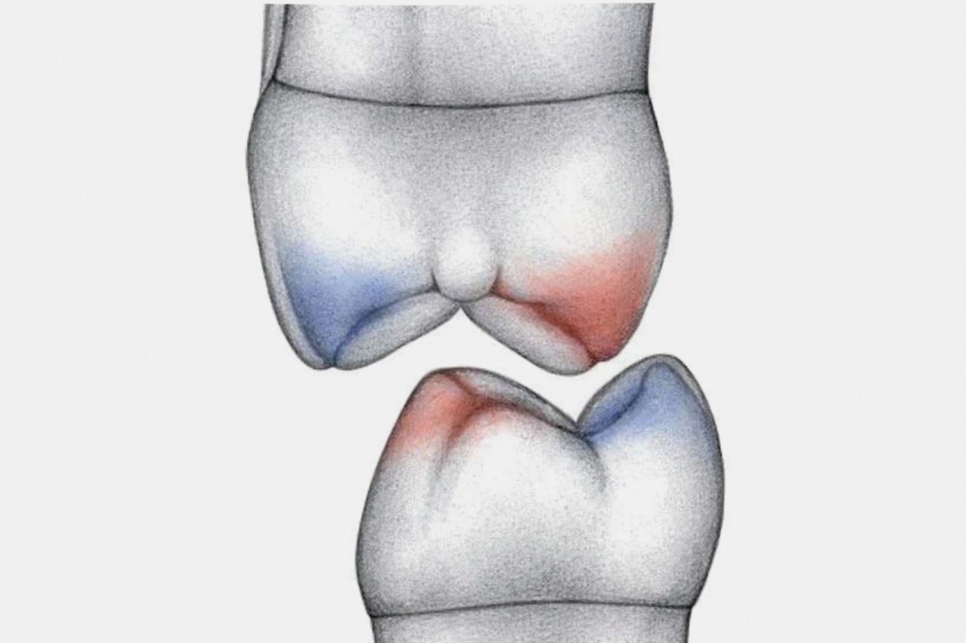
The difference between the two is the [cusp].
So to understand the difference,
you first need to understand the cusp.
The raised, mountain-like part on the chewing surface of the tooth
is called the cusp.
If this area is not included, it is an inlay;
if it is included, it becomes an onlay.
When tooth damage is significant and a cavity must be formed,
if the cusp is involved, onlay restoration is needed;
if not, and only the area that does not include the cusp needs restoration,
an inlay can be chosen.
Kim Min-young, Conservative Dentistry Specialist at the Dental Clinic near Seonyudo Station
What is the treatment process?
Lastly, I’ll explain the treatment process for the two.
There are differences between the prosthetics,
but the treatment process is similar.
First, if it is judged that restoration with a prosthesis rather than a filling is needed
due to tooth decay or fracture,
a cavity is formed.
Using a bur, tooth structure that is difficult to preserve is completely removed,
and a shape that can retain the prosthesis is created.
After that, an accurate impression is taken and laboratory work begins,
and this can be considered the stage completed during the first visit.
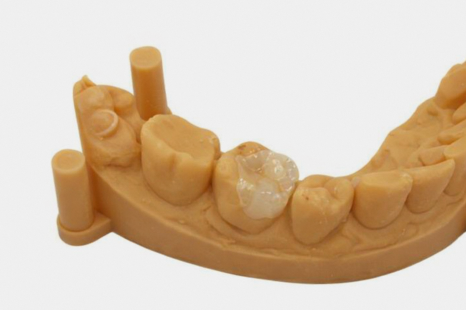
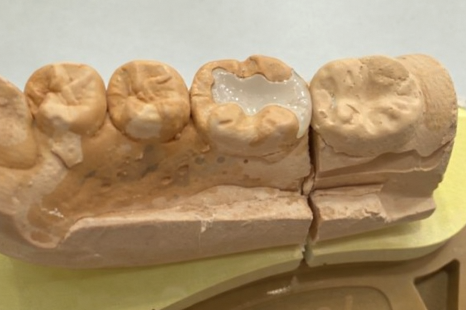
Once the prosthesis is completed, you will visit again,
and at that time, preparation for bonding is made.
After removing the temporary tooth used while you waited,
the bonding process begins.
After thoroughly cleaning the cavity again,
a final adhesive is applied and the prosthesis is bonded in place.
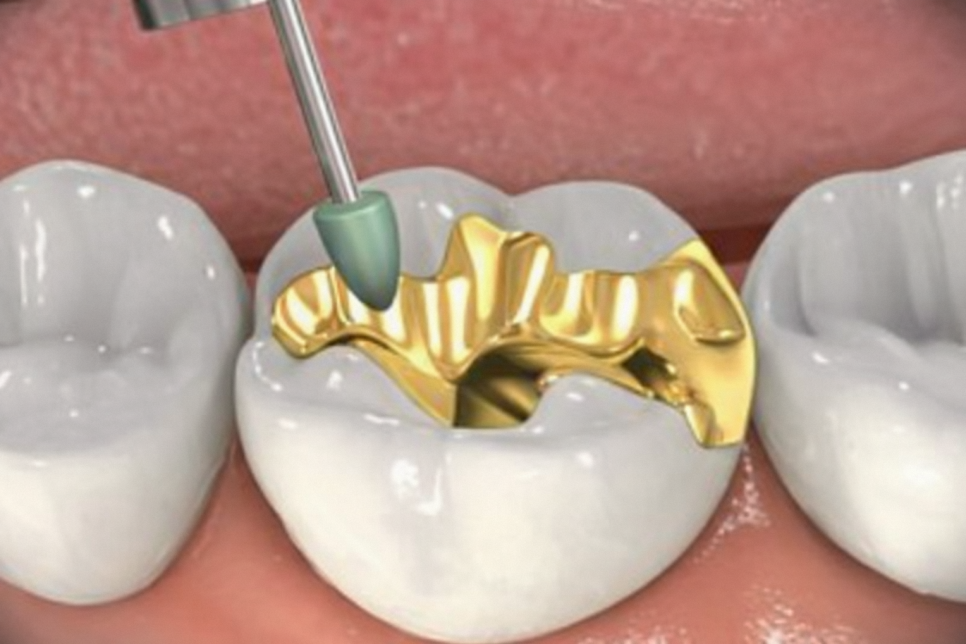
After that, the treatment is completed
following steps such as bite adjustment and removal of excess cement.
Today, I prepared content that many people may be curious about,
and I hope it was helpful.
I’ll continue to prepare high-quality information next time as well
and share another good post.
This was Kim Min-young, a conservative dentistry specialist at a dental clinic near Seonyudo Station. Thank you.