Hello, I’m Kim Min-young, a restorative dentistry specialist at Dangsan Dental Clinic.
Natural teeth are connected to the gums through the periodontal ligament,
which helps distribute chewing force
and absorb impact.
In contrast, implants have an artificial tooth root
that is directly integrated with the bone.
Because of this, they do not have cushioning tissue like the periodontal ligament,
so they can be more vulnerable to strong pressure.
Therefore, continuous care is essential
in order to keep implants healthy.
- Differences from Natural Teeth
There are structural differences compared with natural teeth.
As explained earlier at Dangsan Dental Clinic,
natural teeth are connected to the gums
through a tissue called the periodontal ligament.
This allows them to effectively absorb and distribute
pressure generated during chewing,
so chewing can be performed without strain.
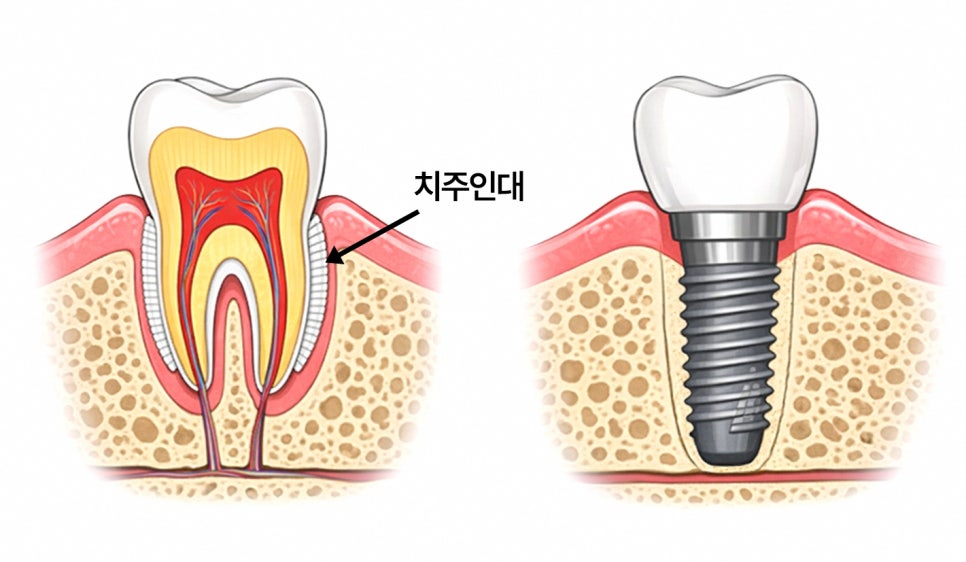
On the other hand, implants are structured to be directly integrated with the alveolar bone,
and because the periodontal ligament does not exist in this process,
they cannot play a cushioning role.
This means that the alveolar bone directly receives
chewing force,
and if excessive pressure is applied, it increases the risk
that the fixture may be damaged.
In addition, unlike teeth, they cannot have flexible movement,
which makes it difficult to perfectly
replace the function of a natural tooth.
Therefore, Dangsan Dental Clinic would like to emphasize that
you need to understand these differences
and put more effort into care.
- What Is Peri-Implantitis?
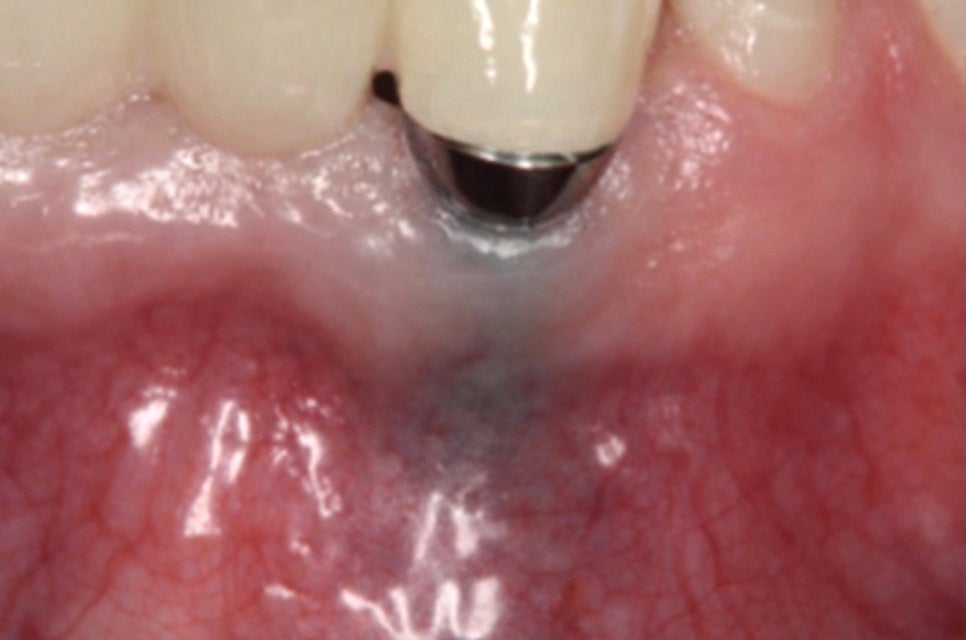
This is inflammation that occurs in the tissue around the fixture
and develops due to the following causes.
<Poor oral hygiene>
Plaque and tartar that build up around the area
become a habitat for bacteria that cause inflammation.
If they are not properly removed,
bacteria can invade the surrounding tissue
and cause inflammation.
Therefore, you should maintain cleanliness
by using oral hygiene tools such as interdental brushes.
<Smoking>
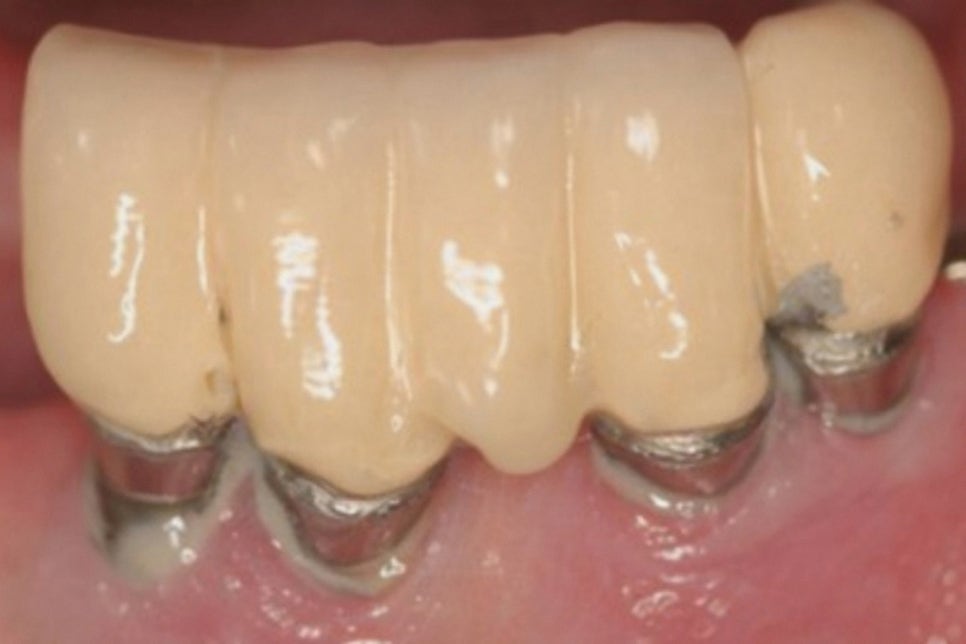
This interferes with blood circulation in the gums
and weakens the immune system,
which can worsen inflammatory responses.
As such, smoking increases the failure rate,
so Dangsan Dental Clinic recommends quitting smoking.
<Excessive pressure>
If too much force is applied, the surrounding alveolar bone can be damaged,
and to prevent this, bite adjustment is needed,
along with steady care through regular checkups.
<Periodontal disease>
Patients who have previously suffered from periodontitis
have a higher risk of inflammation.
Therefore, treatment for periodontal disease
should come first before placing the fixture.
- Lifestyle Habits That Affect Lifespan
Irregular eating habits
If you do not maintain a balanced diet,
it can negatively affect oral health.
In particular, frequently eating foods high in sugar
or following a diet lacking in nutrients can also affect the mouth,

so it is good to consume foods rich in nutrients
such as calcium, vitamin D, and iron.
Bruxism
Grinding your teeth at night or having the habit of using excessive chewing force
can place a heavy burden on the fixture and alveolar bone,
which may cause damage.
In severe cases, the fixture may even tear,
requiring reoperation,
so Dangsan Dental Clinic recommends improving the habit.
Implants have characteristics
different from natural teeth,
so caution is needed.
If proper care and healthy lifestyle habits are maintained,
they can be used healthily for a long time,
but responding quickly when problems arise
also plays an important role in extending their lifespan.
If symptoms such as pain, swelling, or pus occur,
and you ignore them and leave them untreated,
it can also affect the surrounding alveolar bone and gums,
so we recommend visiting the clinic immediately,
getting examined, and receiving the necessary treatment.
If the problem is resolved at an early stage,
it will not greatly affect the prosthesis,
and recovery to a healthy state is possible.
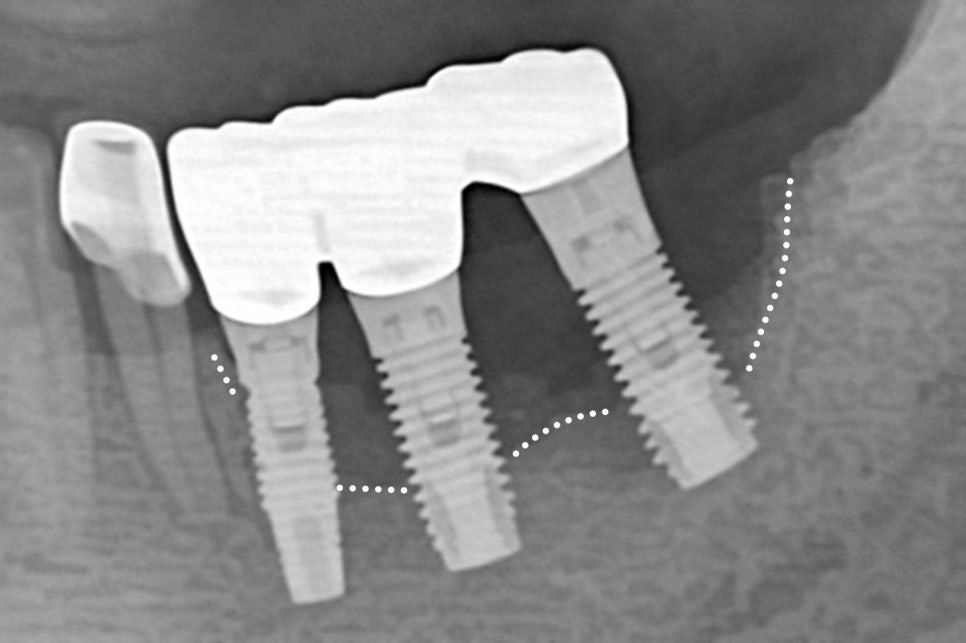
However, if treatment is delayed,
more complex care may be needed,
or in severe cases, the fixture may need to be replaced.
Therefore, you should have regular checkups every six months
to detect problems early and respond quickly.
That concludes today’s update from Dangsan Implant Dental Clinic.
We hope this has been a helpful article for you,
and we promise to share quality information again next time.
This has been Kim Min-young, a specialist in restorative dentistry.
Thank you.