Hello, I’m Kim Min-young, a restorative dentistry specialist at a dental clinic near Dangsan Station.
During treatment, there are cases where caries are found again in a tooth that has already been treated.
Why does this happen?
If the material used in a restoration has the characteristic of shrinking over time,
an opening can form at the margin.
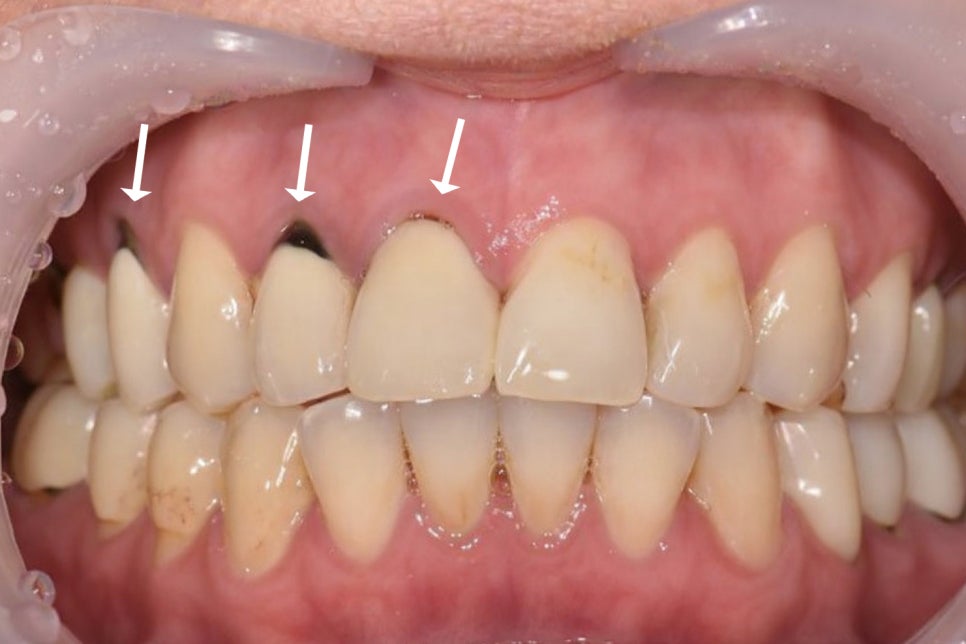
When bacteria or
saliva seep through this gap, it is called microleakage, and
if this situation repeats, caries can slowly progress beneath it.
In the beginning, there is almost no pain,
and there are no visible signs on the surface, so
it is often discovered late,
which shows how important regular checkups are.
In this article, let’s look at why this happens
and why it should not be left untreated.
Dentist Kim Min-young, Restorative Dentistry Specialist at Dangsan Station Dental Clinic
- What is secondary caries?
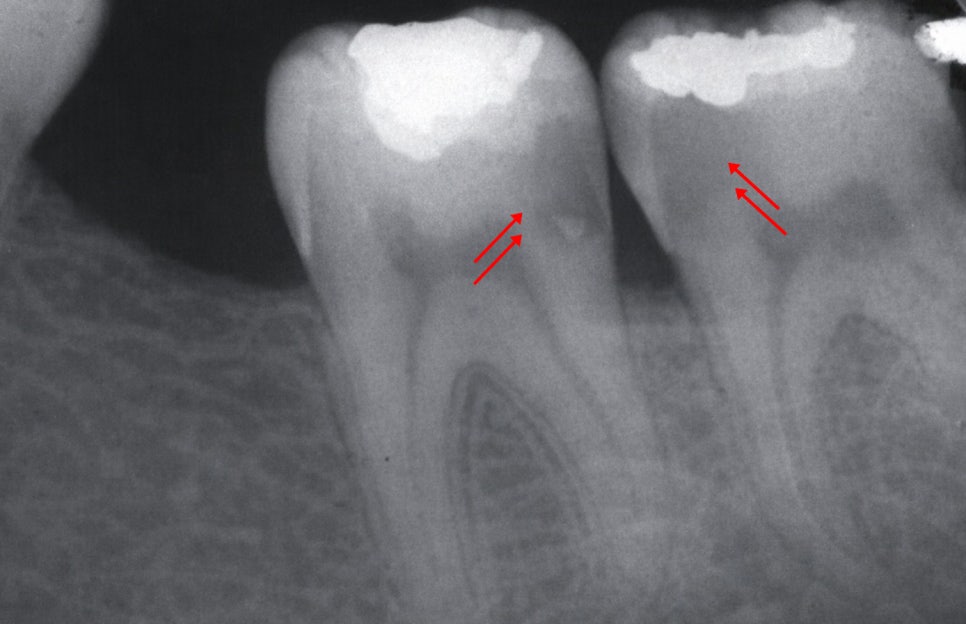
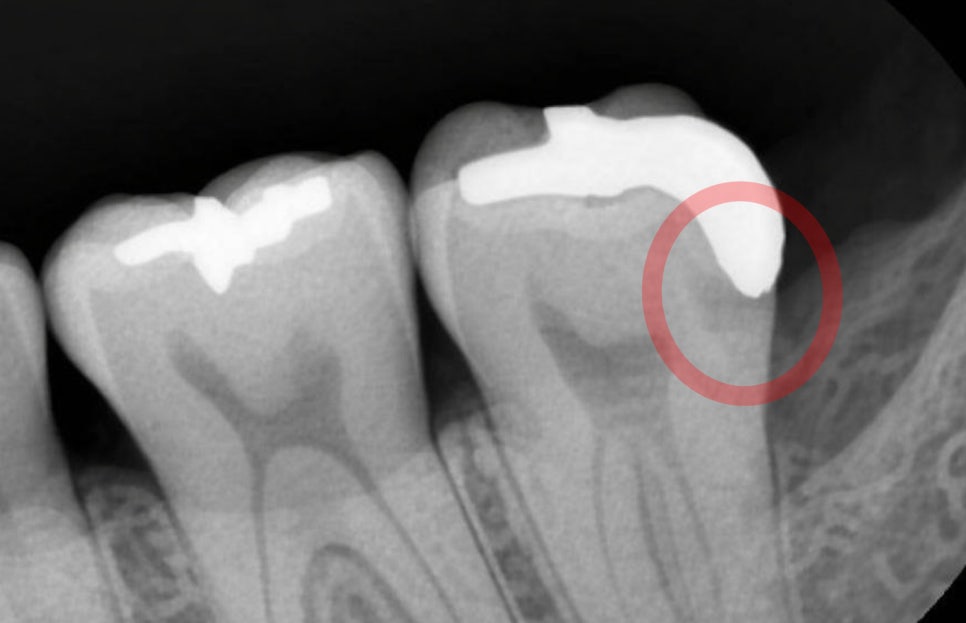
It refers to cavities that occur again
in an area that has already been treated,
and they progress around or beneath the existing restoration.
As time passes, if a gap forms at the margin where the prosthesis and the natural tooth meet,
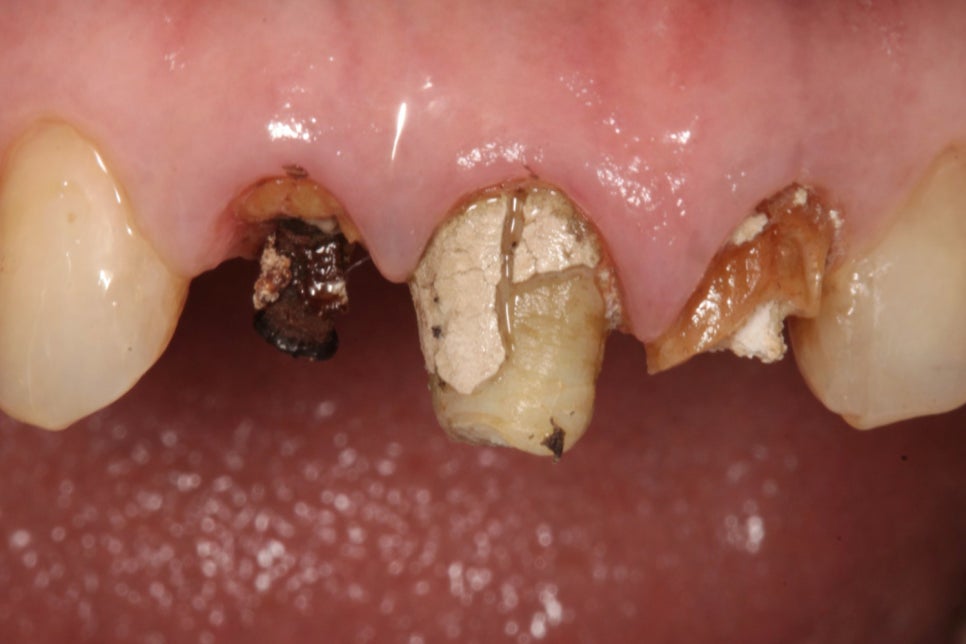
bacteria, food debris,
and saliva can repeatedly seep through this gap,
and as a result, caries can start again
under the crown.
Because it may not be easily visible on the surface,
it is difficult for patients to recognize on their own,
and since there is usually little to no pain in the early stage,
it can only be found through regular checkups.
In particular, in areas with crowns,
it is difficult to accurately assess the condition until the prosthesis is removed,
and if the root canal has already been filled,
a lot of cases are discovered only after inflammation develops in the gums.
Dentist Kim Min-young, Restorative Dentistry Specialist at Dangsan Station Dental Clinic
- Causes
The most typical cause is microleakage.
In the case of resin, due to the nature of the material,
polymerization shrinkage occurs,
and as the resin hardens, it shrinks slightly,
creating stress at the margin
and weakening the bond.
In addition, repeated chewing forces and temperature changes
can also cause changes in the restoration.
In the case of crowns, as the gums recede,
the margin becomes exposed,
creating an environment where bacteria can easily penetrate through the gap.
Also, if the adhesive gradually weakens over a long period,
marginal fit may deteriorate.
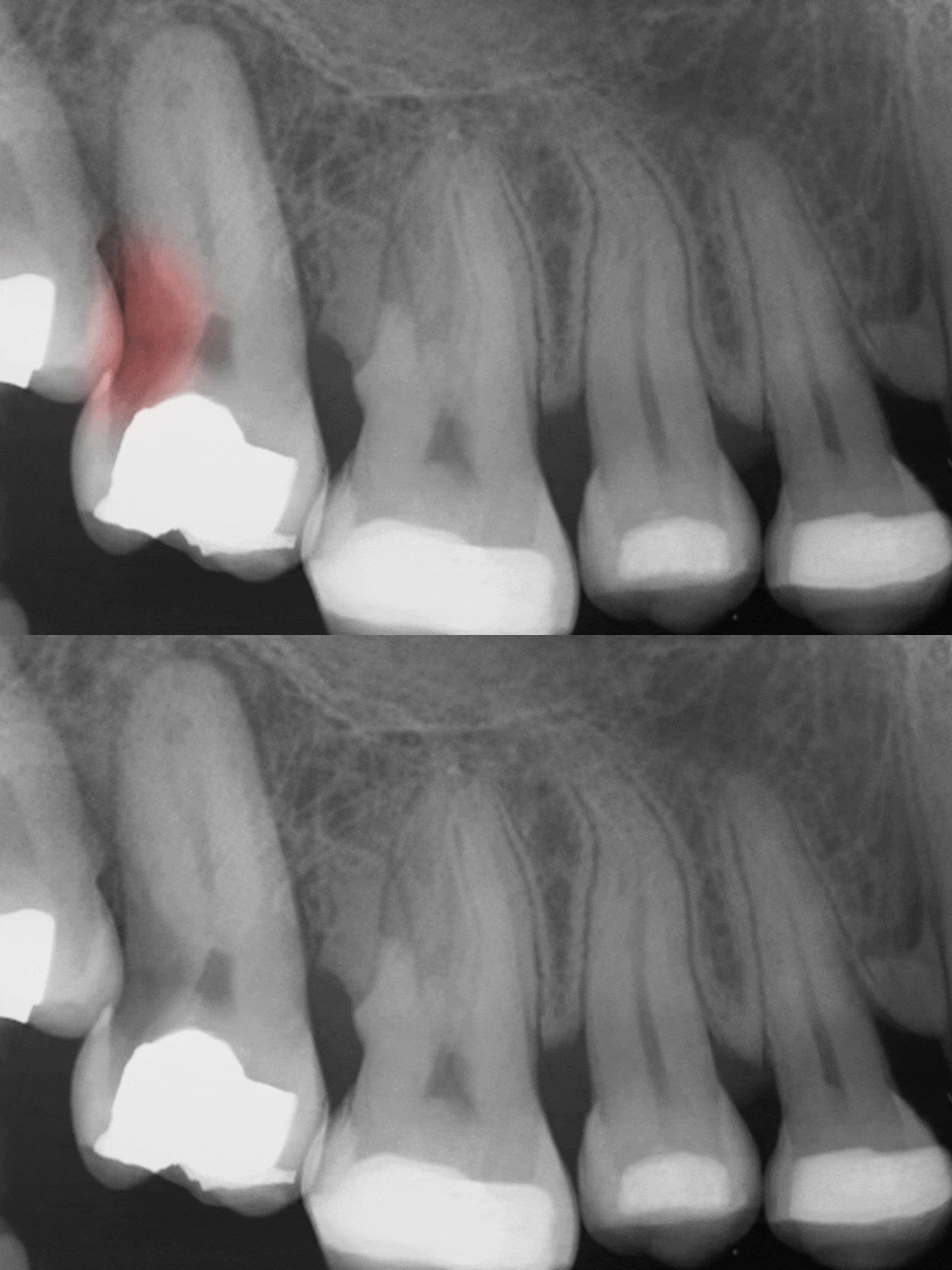
In addition, poor oral hygiene,
excessive bite force concentration,
or cases where the margin of the prosthesis was not perfectly adapted from the beginning
can all act together as multiple factors.
Therefore, regular checkups and maintenance
are important even after treatment.
Dentist Kim Min-young, Restorative Dentistry Specialist at Dangsan Station Dental Clinic
- Why it should not be left untreated
Because secondary caries progresses under the crown,
there may be no visible changes in the early stage.
Also, because caries that occur beneath a prosthesis
are not exposed to outside air,
they can progress relatively quickly
in a humid and sealed environment.
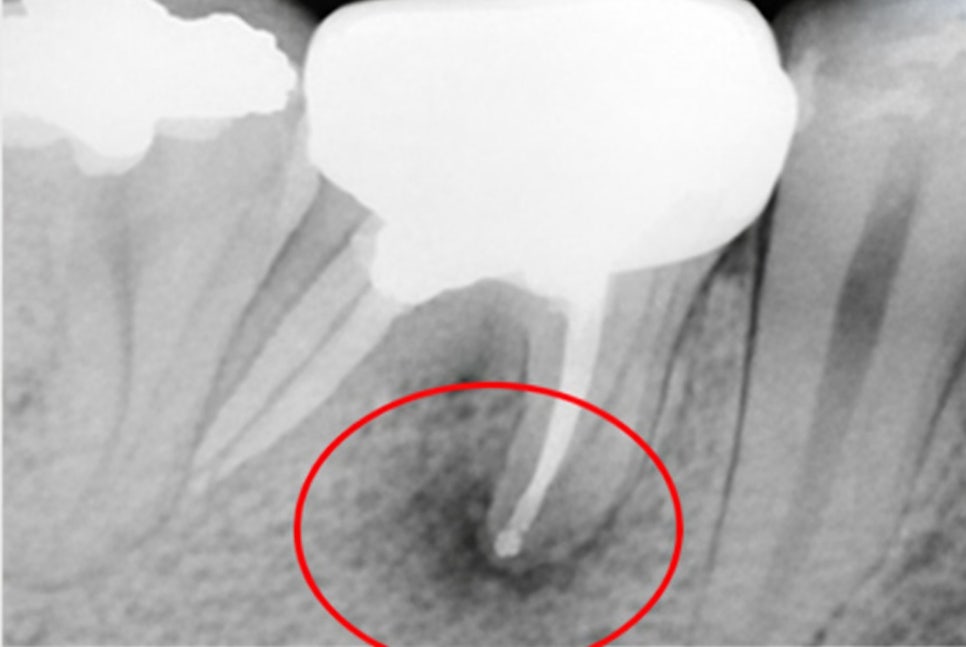
As a result, the tooth structure weakens,
and eventually the pulp may become infected
or it may lead to periapical inflammation,
making it difficult to resolve with simple re-restoration alone.
In some cases, the natural tooth cannot be preserved
and extraction may become necessary,
and as the scope of treatment becomes larger like this,
the time and financial burden also increase.
Therefore, early detection
is more important than anything else.
Dentist Kim Min-young, Restorative Dentistry Specialist at Dangsan Station Dental Clinic
- How can it be prevented?
1️⃣ First, regular checkups are important.
Since there is almost no pain in the early stage,
it is rare for people to notice it themselves and visit a clinic.
By getting examined every 6 months,
or at the interval recommended by the medical staff,
and identifying problems early,
the scope of treatment can be minimized.
2️⃣ Second, maintain thorough oral hygiene.
Not only brushing, but also using dental floss or
interdental brushes carefully is necessary,
and we recommend regularly removing tartar
through scaling.
3️⃣ Third, do not delay visiting the clinic.
If food frequently gets stuck or the crown becomes discolored,
it is better to visit a nearby medical institution as soon as possible
and not miss the treatment timing.
In the end, the key to prevention is consistent care after treatment,
so please remember that more careful attention is needed.
This was Kim Min-young, a restorative dentistry specialist in Dangsan-dong.
Thank you.