Hello, I am Kim Min-young, a restorative dentistry specialist at Dangsan Dental Clinic.
Bruxism and clenching
occur unconsciously
while sleeping or in daily life,
and can lead to wear, cracks, prosthetic fracture,
TMJ pain, masticatory muscle hypertrophy, headaches, and more.
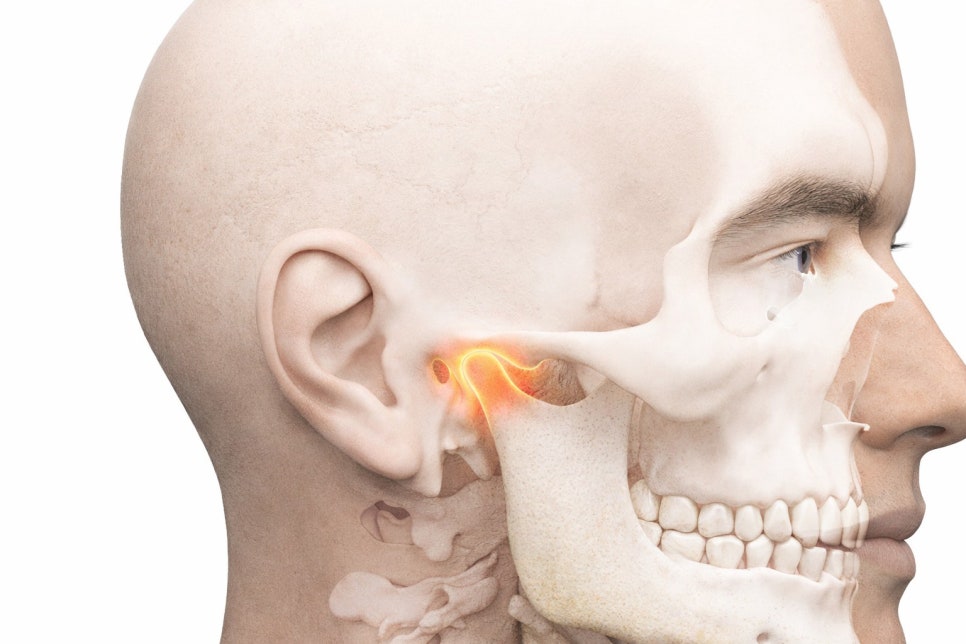
In particular, when biting force is repeatedly applied,
stress can also accumulate in the jaw, so
the possibility of temporomandibular disorder (TMD)
should also be considered.
Among modern people who are under a lot of stress,
the frequency of occurrence is gradually increasing,
and if it is not managed early,
it can cause other problems, so caution is needed.
Today, at Dangsan Dental Clinic,
I will explain how to manage it non-surgically
using Botox and splint devices.
- Problems that occur if bruxism and clenching are left untreated
If excessive biting force continues to be applied,
it places stress on the teeth, jaw, and surrounding muscles.
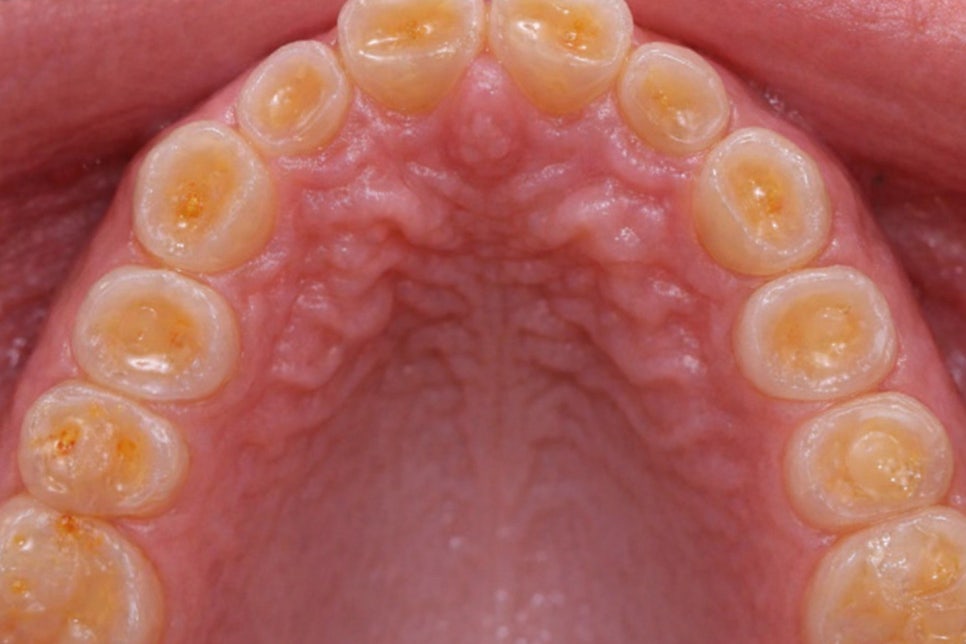
The first change that appears is wear,
with the biting surface gradually becoming flatter or shorter,
and as dentin becomes exposed, you may feel sensitivity.
If the area has already been restored, it can also cause resin or
inlay fracture or detachment,
and cracks can occur, affecting the pulp as well.
Not only the teeth but also the masticatory muscles become excessively tense,
causing muscle hypertrophy and pain,
and if you repeatedly wake up with a stiff jaw in the morning
or headaches around the temples,
it is worth suspecting bruxism.
If this condition continues for a long time,
stress also accumulates in the jaw,
leading to sounds or pain when opening the mouth,
which eventually results in TMD.
Dangsan Dental Clinic Restorative Dentistry Specialist Kim Min-young
2. What is temporomandibular disorder (TMD)?
It is an abbreviation for Temporomandibular Disorder,
and refers to dysfunction in the jaw and the surrounding ligaments, discs, and other structures.
The temporomandibular joint is located in front of the ear and is the area that performs rotational and gliding movements simultaneously when opening and closing the mouth,
and when repeated pressure or force is applied,
the internal balance becomes disrupted.
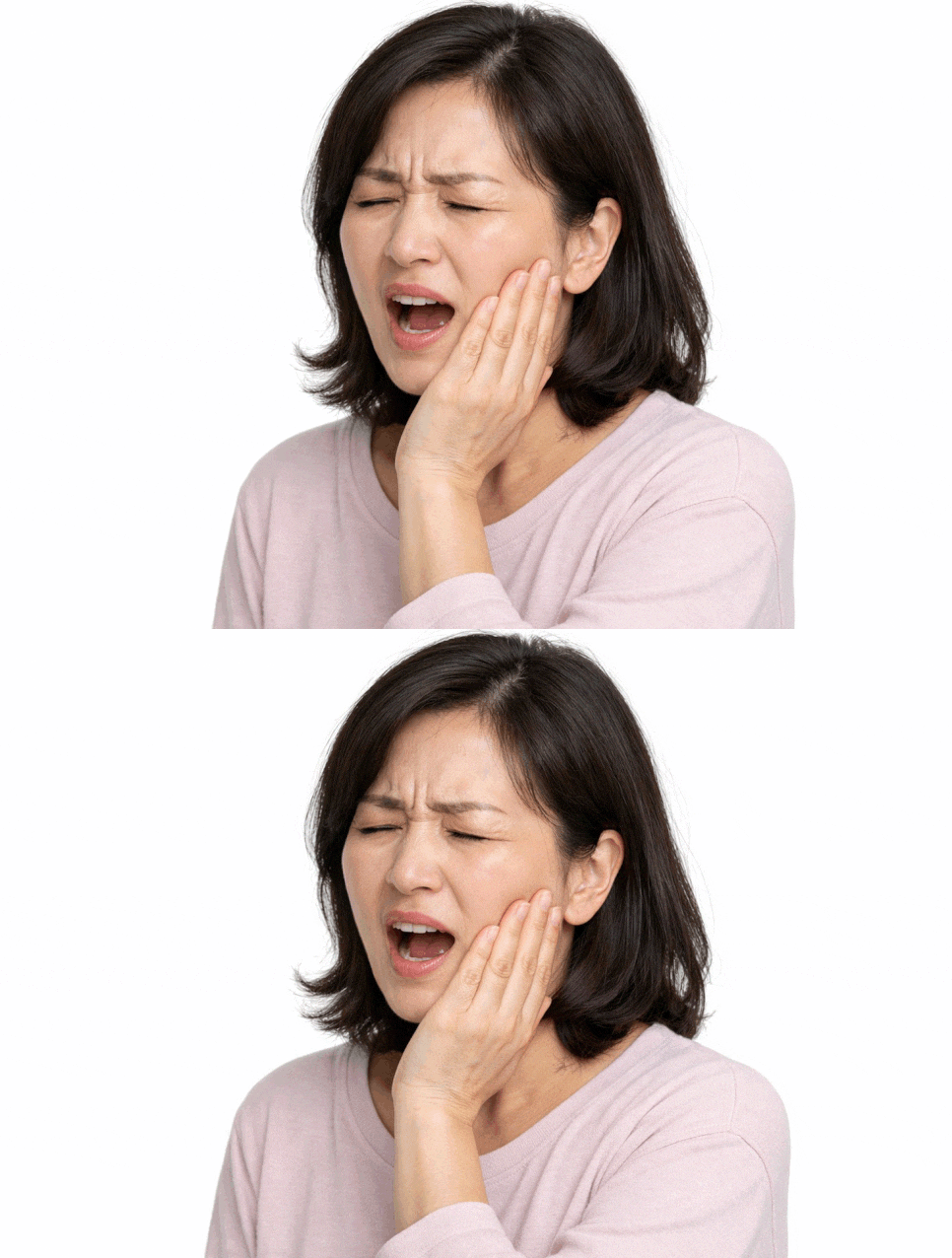
In the early stages, there may be a clicking sound when opening the mouth
or simply a stiff jaw,
but symptoms may gradually appear as restricted opening,
pain, and discomfort while chewing.
In addition, because it can also be accompanied by temple headaches, neck and shoulder pain,
and discomfort around the ears,
early management is necessary.
Dangsan Dental Clinic Restorative Dentistry Specialist Kim Min-young
3. Diagnostic methods
First, through an intraoral examination,
the degree of wear, the presence of cracks,
and prosthetic fractures are checked.
In particular, if the occlusal surface is flattened
or flexural fractures are present,
excessive biting force may be suspected.
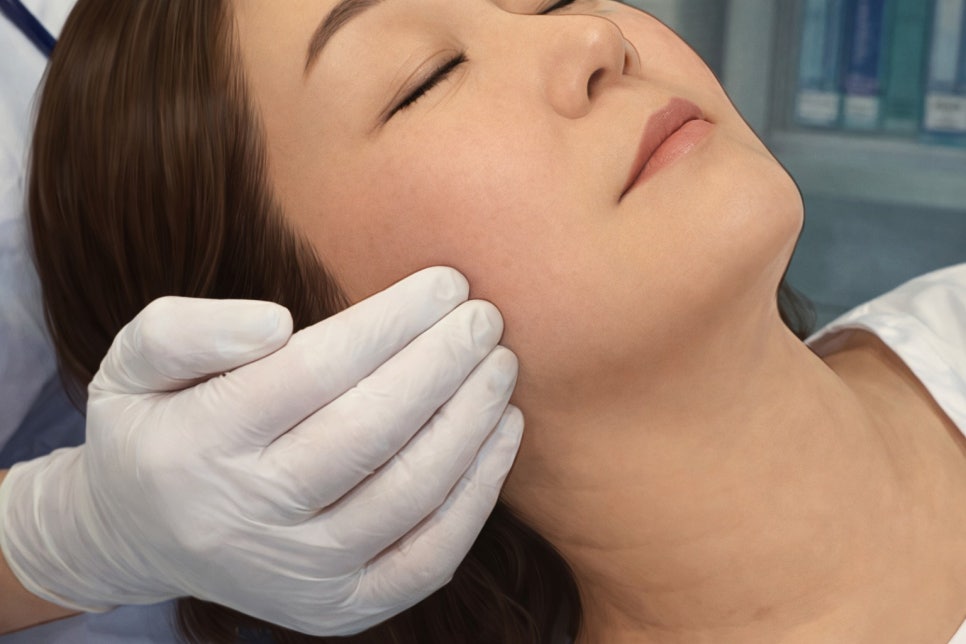
Next, palpation of the masticatory muscles is performed
to assess tension and tenderness.
Pain or hypertrophic patterns in the masseter and temporalis areas
can be clues to bruxism,
and the range of mouth opening is measured while also checking
whether there is any noise or deviation when opening and closing the mouth.
- If necessary, please note that X-rays may need to be taken
to check changes in the joint structure.
- Botox
One of the main causes of bruxism and clenching is
excessive tension in the masticatory muscles.
When repeated contractions continue,
they place stress on the teeth and jaw.
Botox is a method that temporarily relaxes the strength of excessively active muscles,
and when a small amount is injected into the muscle, nerve transmission
is partially blocked and the contraction strength is reduced.
The effect appears within 1 to 2 weeks and lasts about 3 to 6 months.
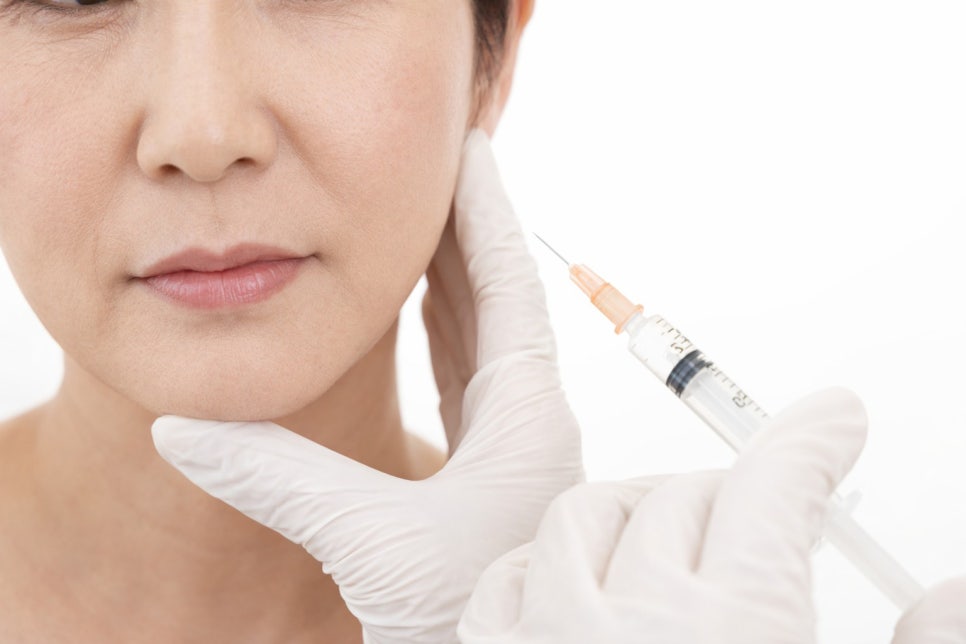
Although it is a relatively simple procedure, the correct dosage and
proper injection site are important, and it may seem as though only the masseter muscles on both sides of the jaw need to be reduced,
but in reality, the temporalis muscle is often involved as well,
so the areas must be divided and adjusted before injection.
Because the dosage and areas can vary from person to person,
at Dangsan Dental Clinic, I believe that a detailed diagnostic process of the muscle shape, position, thickness,
and direction of movement must come first.
- Splint
A splint is a device that protects the teeth during sleep,
and by acting as a cushion between the teeth,
it helps prevent wear and cracks.
It also guides the bite into a stable position,
thereby relieving tension in the masticatory muscles.
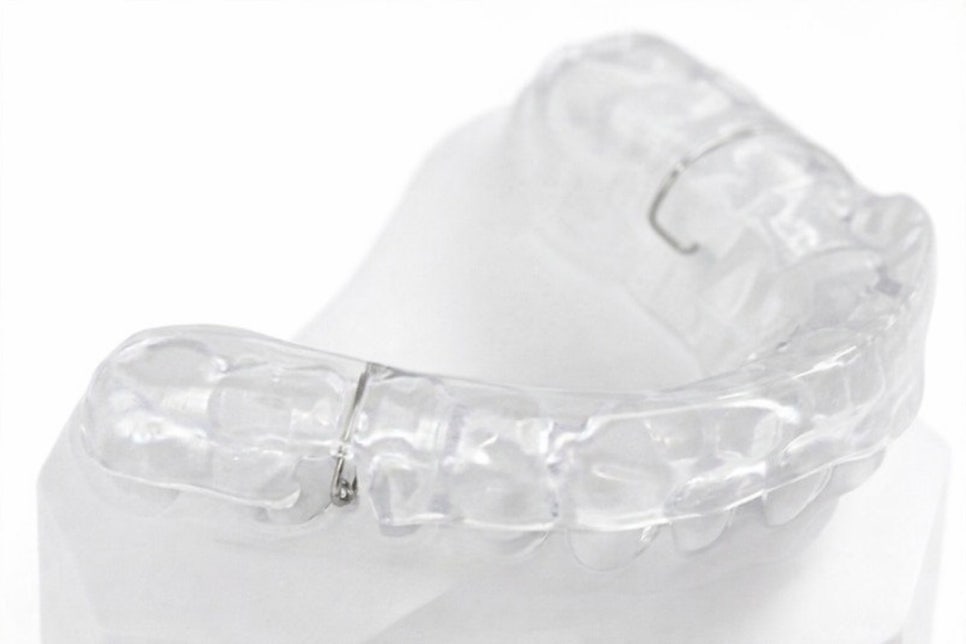
There are various products on the market, but rather than a ready-made one,
it should be fabricated to match the individual oral structure,
and by analyzing it, the height and contact points should be precisely adjusted
for better results.
To conclude...
In the beginning, the symptoms may be mild,
but if left untreated, they can also affect surrounding tissues,
so
the current symptoms must be assessed accurately,
and treatment should be provided in a way that suits the individual.
I hope the information introduced today at Dangsan Dental Clinic was helpful,
and I will end here.
This has been Kim Min-young, specialist in restorative dentistry.
Thank you.