Hello, I’m Kim Min-young, a specialist in restorative dentistry at Dangsan Station Dental Clinic.
When a tooth is lost,
not only does chewing function decline,
but the surrounding teeth may shift and the bite may change,
so appropriate treatment is needed.
One treatment option that many people consider in this situation
is an implant.
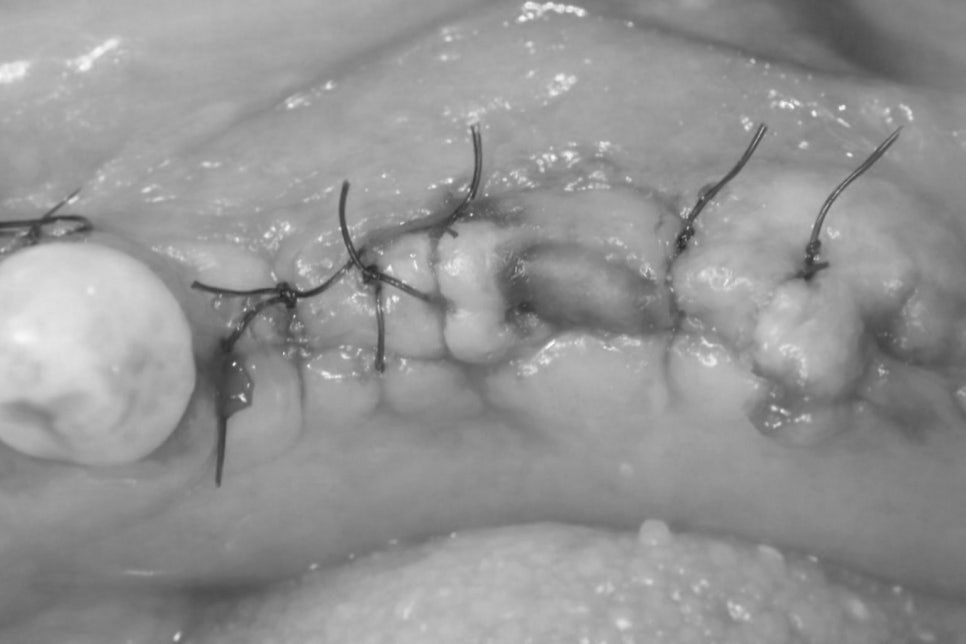
Implants are usually placed by making an incision in the gums,
exposing the alveolar bone,
and then placing the fixture,
but
various methods have been developed to reduce the burden on patients.
One of these is the flapless implant,
which, as the name suggests, places the fixture without making an incision in the gums,
and has the advantage of minimizing damage to the surrounding soft tissues.
As a result, it can reduce the burden of pain and swelling after surgery
and allow for relatively quick recovery.
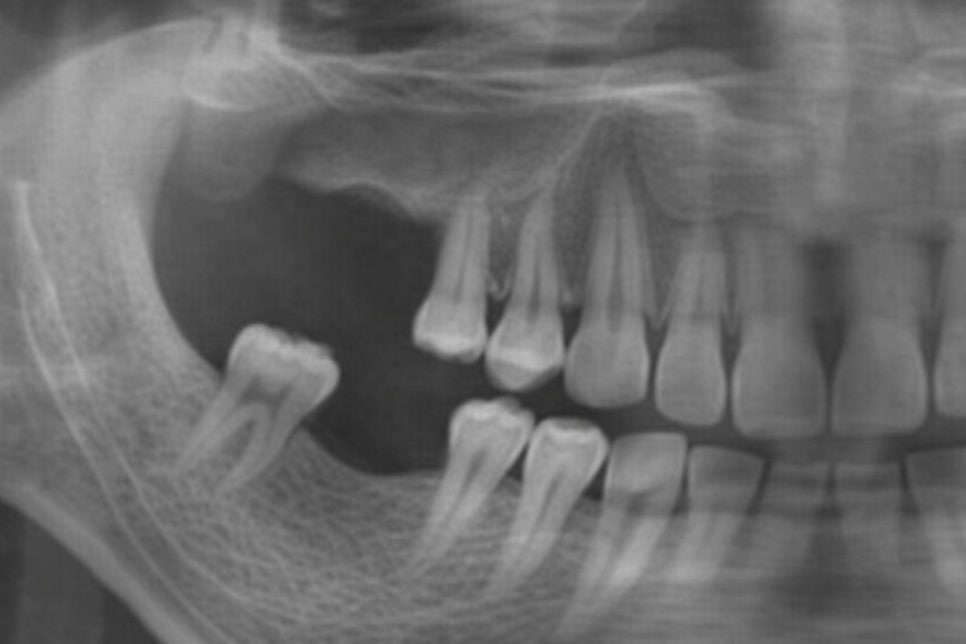
However, because it cannot be applied in all cases,
it is important to determine whether surgery is appropriate after comprehensively analyzing
the condition of the alveolar bone, gum tissue,
and the implant placement site.
Today at Dangsan Station Dental Clinic, we will explain the characteristics and advantages of the flapless implant.
Why tooth loss should not be left untreated
If the area where a tooth has fallen out is left unattended for a long period of time,
it can affect the balance of the entire oral cavity.
First, the alveolar bone in the area where the tooth is missing
will gradually begin to resorb.
When a tooth is present,
chewing pressure is transmitted and the bone is maintained,
but when the tooth is gone,
the stimulation to that area decreases,
and over time the amount and height of bone decrease.
These changes can also become a reason why bone grafting is needed
when an implant is placed later.
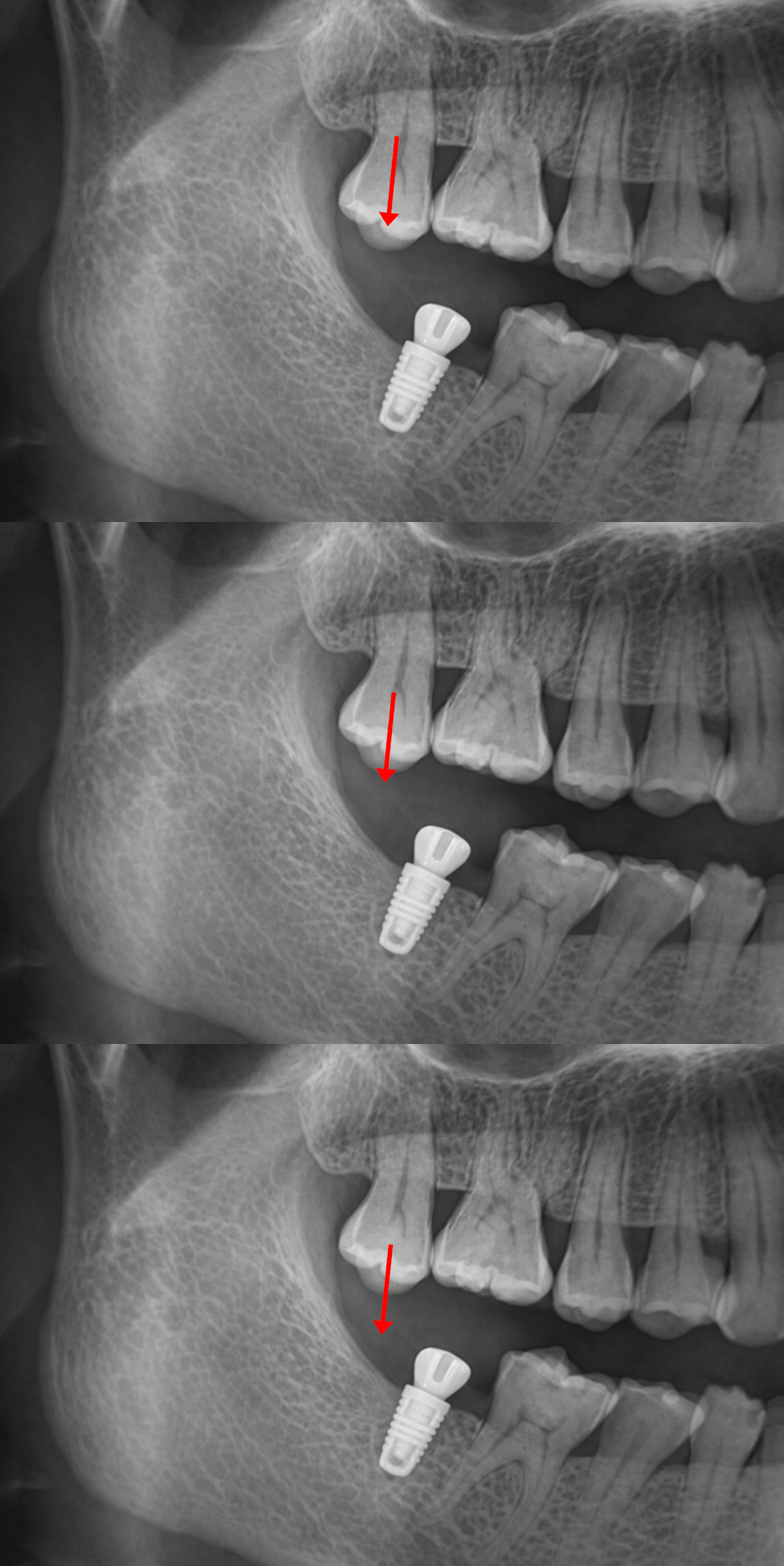
In addition, it can also affect adjacent teeth,
causing nearby teeth to tilt into the empty space
or the opposing teeth to erupt vertically upward or downward.
This can disrupt the balance of the bite
and cause discomfort in chewing function.
Because it can cause changes throughout the overall oral structure,
it is important to establish a treatment plan as soon as possible
at an appropriate time.
Dangsan Station Dental Clinic Restorative Dentistry Specialist Kim Min-young
What is a flapless implant?
Unlike the conventional method,
which makes a wide incision in the gums to expose the alveolar bone,
this is a method of placing the fixture without opening the gums.
Because the gingiva is not widely detached,
it can reduce soft tissue damage
and has the characteristic of lowering the burden of pain and swelling
that may occur after surgery.
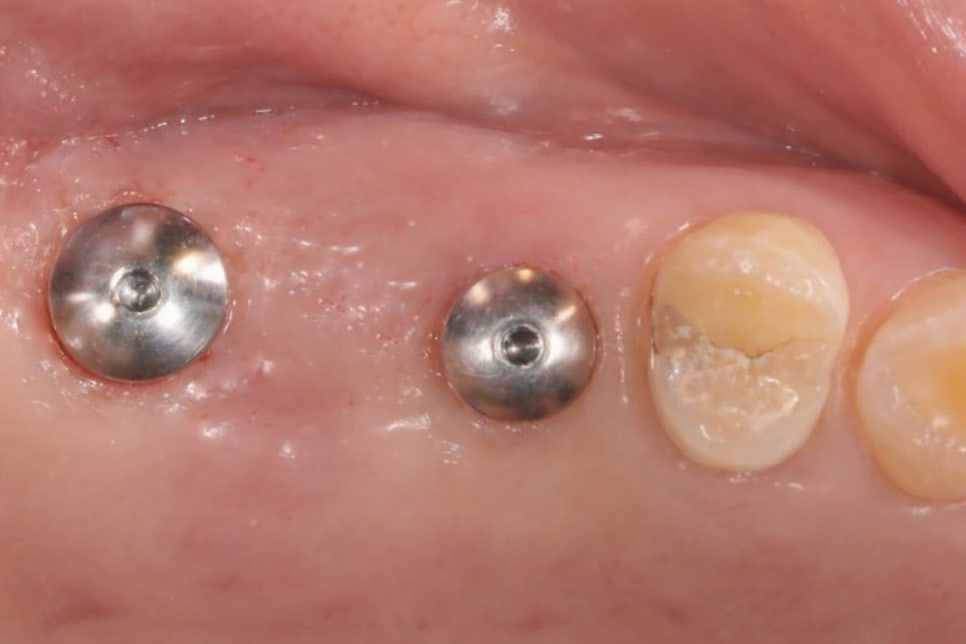
Also, since suturing is not necessary,
the recovery process tends to proceed relatively quickly.
However, it is not a method that can be applied to all patients,
and whether it is performed should be determined by comprehensively considering
the amount and quality of the alveolar bone, the condition of the gum tissue,
and the implant placement site.
Therefore, it is important to choose the appropriate treatment method
based on an accurate diagnosis.
Dangsan Station Dental Clinic Restorative Dentistry Specialist Kim Min-young
What conditions make it possible?
First, the amount and density of the alveolar bone must be sufficient.
If the amount of bone is insufficient,
a large amount of bone grafting may be needed,
and in such cases, it is often unavoidable to make an incision in the gums
to directly check and treat the bone.
If there is insufficient attached gingiva around the implant,
long-term hygiene management becomes difficult
and it can also affect the implant,
so it must be checked whether there is enough attached gingiva.
Therefore, the flapless method can be considered when the alveolar bone condition is relatively healthy
and bone grafting is not necessary.
Dangsan Station Dental Clinic Restorative Dentistry Specialist Kim Min-young
Advantages
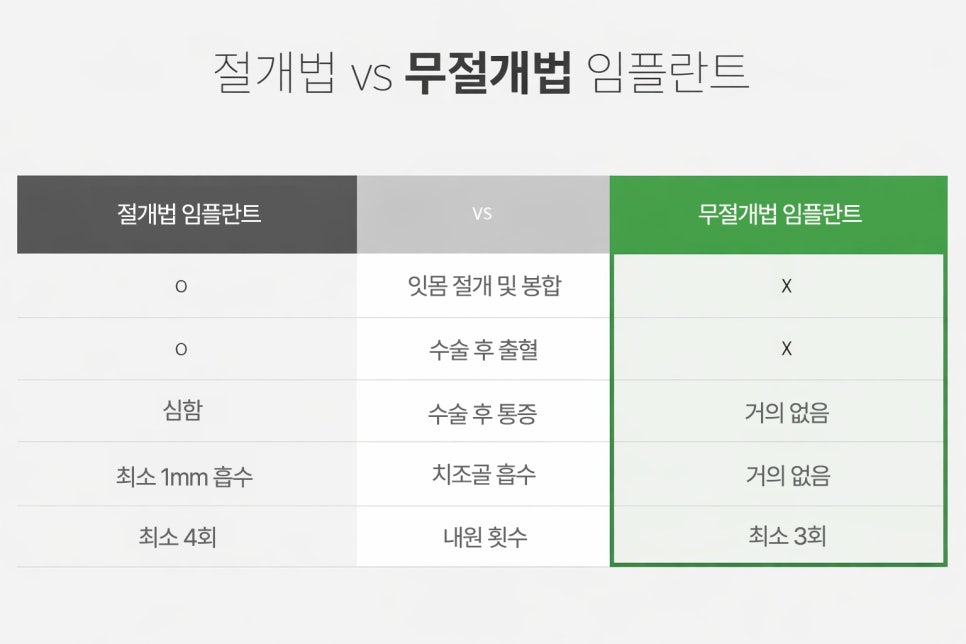
Because there is no process of making an incision and detaching the gums,
damage to the surrounding soft tissues is reduced,
and as a result, discomfort after surgery is relatively less.
Since there is no incision or suturing,
the return to daily life is relatively quick,
and the shape of the gum around the implant can be maintained
more naturally.
In this way, it can reduce the patient’s burden of pain
while also reducing the number of visits and the time burden.
Because it has so many advantages,
it must be performed under an accurate diagnosis
and carried out carefully.
When carried out through thorough preoperative diagnosis and planning like this,
it is possible to expect stable results while reducing the burden.
This has been Kim Min-young, a specialist in restorative dentistry at Dangsan Station Dental Clinic.
Thank you for reading this long post.