Hello, I’m Minyoung Kim, a restorative dentistry specialist at a dental clinic in Dangsan-dong.
When you become pregnant, various changes occur throughout the body,
and the oral cavity can also undergo a number of changes.
Gums that were fine before may suddenly become swollen,
bleeding can occur when brushing,
and cavities or toothaches may develop.
Many people think that
dental treatment should not be done during pregnancy,
so they end up postponing treatment.
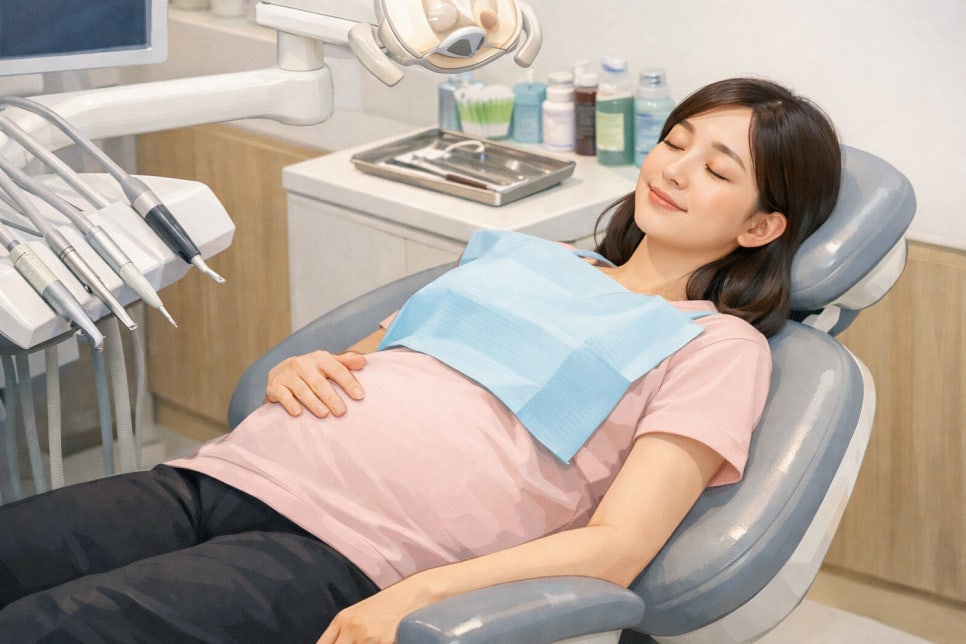
However, if the proper timing and method are understood,
treatment can be carried out safely.
If cavities or gum inflammation are left untreated,
pain and stress for the mother may increase,
and inflammation may worsen,
so proper care is even more important.
Today, at the Dangsan-dong dental clinic,
we will explain related information.
Why oral health worsens during pregnancy
When you become pregnant, various changes occur throughout
the body as a whole,
and these changes can also
affect oral health.
In particular, hormonal changes, dietary changes,
and difficulty maintaining oral care
work together to increase the risk of gum disease and
cavities.
First, during pregnancy, estrogen and
progesterone levels increase significantly,
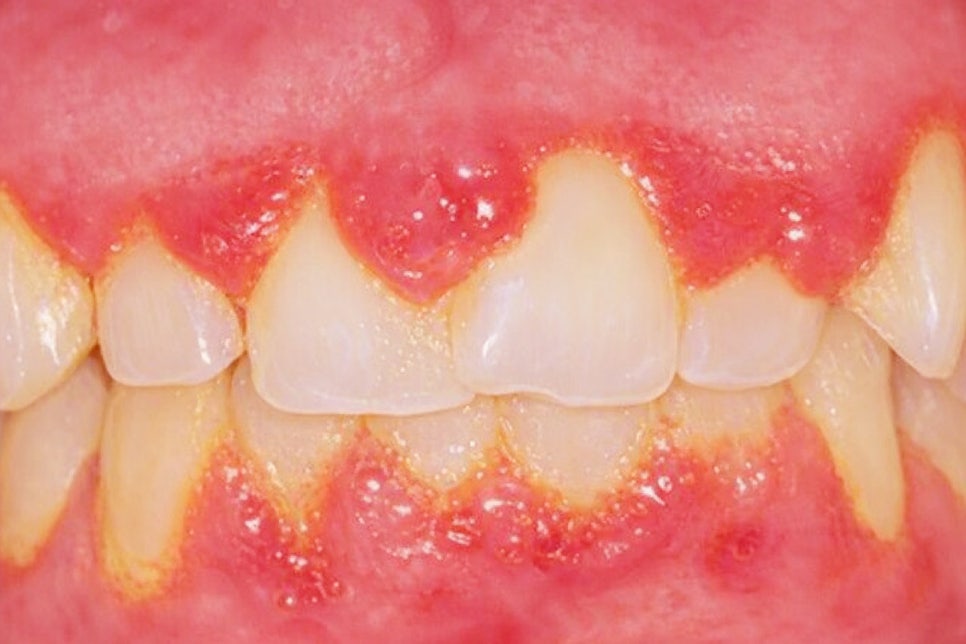
and these hormonal changes
expand the blood vessels in gum tissue
and make inflammatory reactions more likely.
As a result, even a small amount of plaque or bacteria can
cause the gums to swell easily and bleed.
In addition, the body’s defense against oral bacteria
may temporarily weaken, causing a stronger inflammatory
response to bacteria and often leading to rapid progression
of periodontal disease.
On top of that, repeated vomiting allows stomach acid to
come into contact with the tooth surface, weakening the enamel
and promoting tooth erosion.
In particular, brushing immediately after this can
wear down the softened enamel,
so caution is needed.
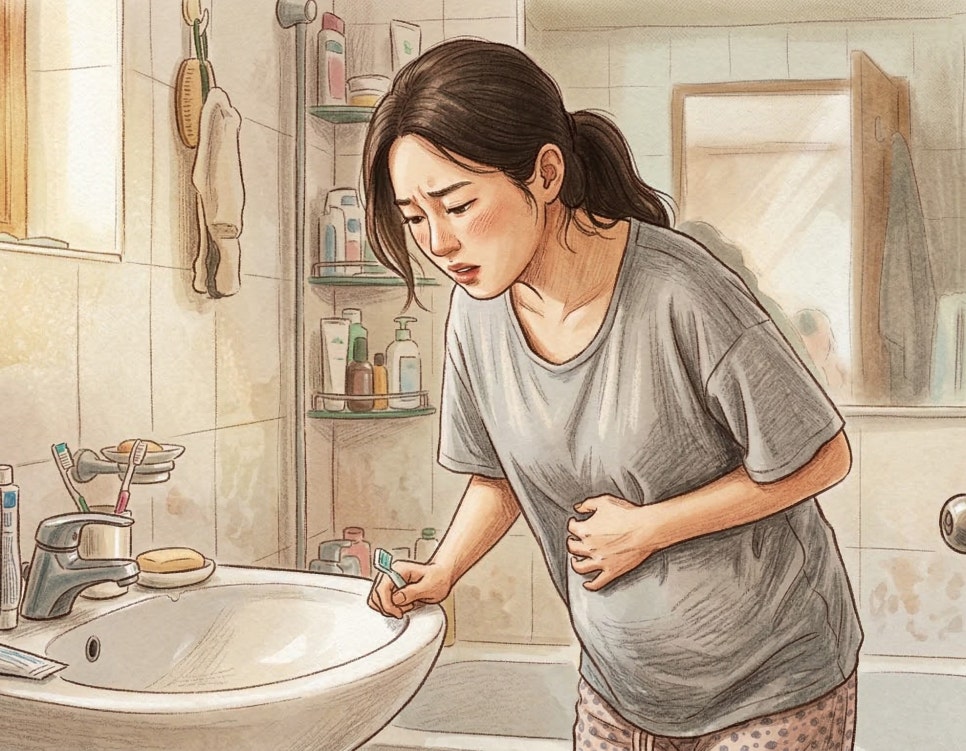
Some people also become sensitive to the smell of toothpaste
due to morning sickness, or brushing itself becomes difficult,
leading to neglected oral care.
When oral hygiene becomes difficult like this,
bacteria can multiply easily,
and the risk of cavities and gum disease also increases.
Because pregnancy creates an environment in which oral health
can worsen more easily than usual,
careful oral hygiene and regular checkups are needed.
Dangsan-dong dental clinic restorative dentistry specialist Minyoung Kim
What is pregnancy gingivitis?
One of the representative oral diseases seen in expectant mothers
is pregnancy gingivitis.
This refers to an inflammatory disease that occurs when the
gestational hormonal environment affects periodontal tissue.
In particular, symptoms often become more noticeable between
two and eight months of pregnancy,
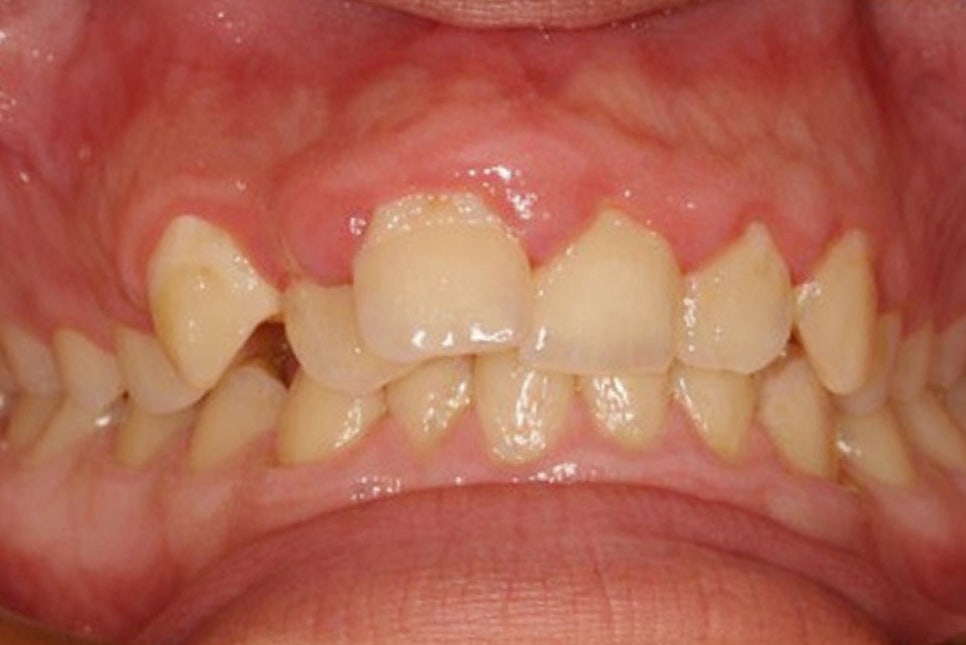
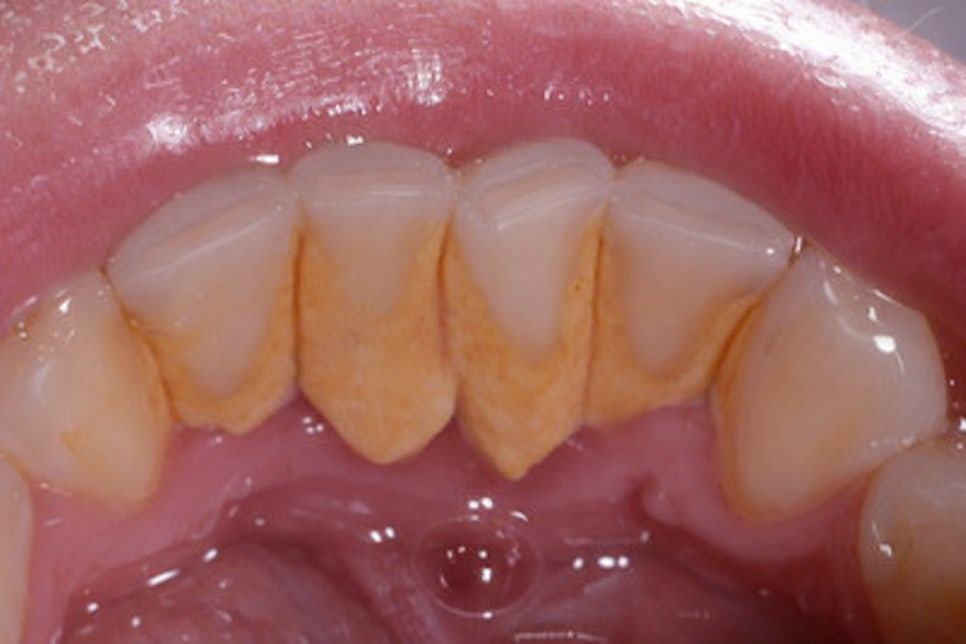
and typical symptoms include red, swollen gums,
easy bleeding,
and worsening bad breath.
Fortunately, as hormone levels return to normal after delivery,
it often improves naturally,
but if oral hygiene is not properly maintained during pregnancy,
it can progress to periodontitis,
so caution is needed.
Precautions by stage
Treatment during pregnancy is not something that must be
completely avoided; the types of treatment that are possible
differ depending on the stage.
Therefore, for the safety of both mother and fetus,
it is important to create a treatment plan appropriate to the
number of weeks of pregnancy.
Early stage (1–3 months)
This is an important period when the fetus’s major organs are
forming, so it is important to minimize exposure to external
stimuli.
Unless it is an emergency, most treatment should be postponed.
In particular, long treatments or complex procedures can
be burdensome for the mother,
so they must be judged carefully.
Only in emergency situations such as severe pain, acute
infection, or an abscess can treatment be performed within
a safe range.
Dangsan-dong dental clinic restorative dentistry specialist Minyoung Kim
Mid stage (4–6 months)
This is a period when treatment can be carried out relatively
safely.
The fetus’s major organ formation is mostly complete,
and the mother’s physical condition is often relatively stable.
Therefore, procedures completed in a short time, such as
cavity treatment, scaling, and gum treatment,
can be performed without difficulty.
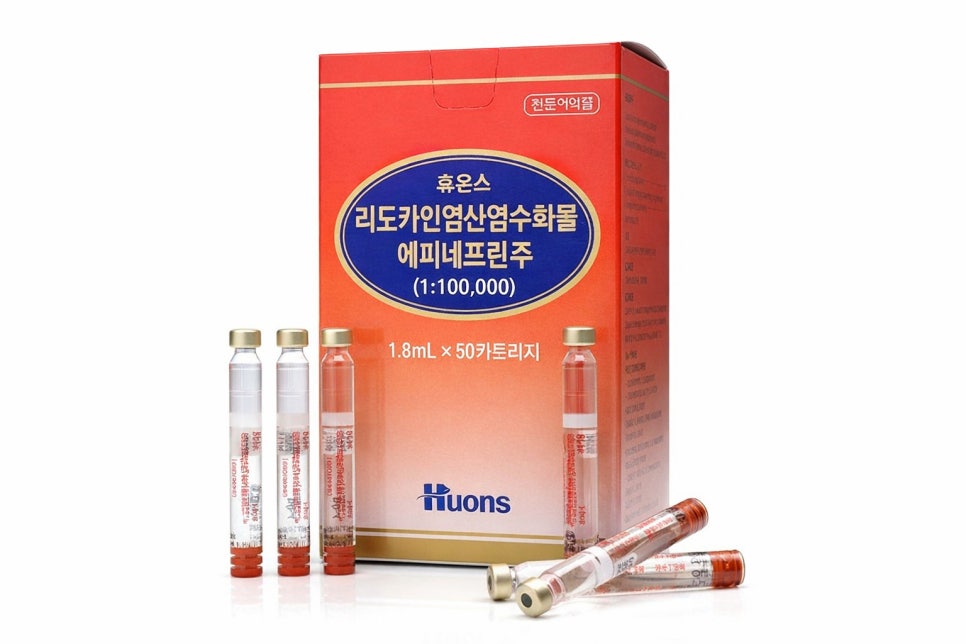
If necessary, X-rays can also be taken safely after wearing
a lead apron,
and local anesthesia is also known not to affect the fetus,
but if there has been a past allergic reaction to medication,
it is important to inform the medical staff in advance.
Late stage (7–9 months)
As the uterus grows larger and presses on the vena cava,
low blood pressure or dizziness can occur,
so lying down for long periods may be uncomfortable.
Therefore, complex or long treatments are recommended to be
postponed until after delivery.
However, if pain or inflammation is severe,
the minimum necessary treatment may be performed,
taking the mother’s condition into account.
Dangsan-dong dental clinic restorative dentistry specialist Minyoung Kim
Insurance coverage benefits
In Korea, some treatments for oral health management during
pregnancy are covered by National Health Insurance.
Representative examples include root canal treatment,
periodontal treatment,
and scaling,
and a copayment of about 10% at clinic level is applied,
allowing treatment to be received at a relatively low cost.
However, to receive these benefits,
you must bring a maternal health record or pregnancy
confirmation document when visiting,
and insurance coverage is only possible once this is verified.
- Since the cost may vary depending on the type of treatment
and the scope of the procedure,
please first receive a consultation.
If treatment is needed during pregnancy, rather than postponing
it unconditionally,
it is helpful to check in advance through a consultation whether
treatment is possible according to the current stage of
pregnancy and the scope of insurance coverage.
Many pregnant women think they should not receive treatment
because of X-rays or anesthesia,
so even when they have pain or inflammation,
they endure it and move on.
However, leaving cavities or periodontal disease untreated can
actually have a negative effect on both the mother and the fetus,
so rather than postponing treatment unconditionally,
please consult a specialist and find the right approach for
your current condition.
As explained by the Dangsan-dong dental clinic,
we hope you maintain healthy teeth through proper oral care.
This was Minyoung Kim, restorative dentistry specialist.
Thank you for reading this long post.