Hello, this is Kim Min-young, a specialist in conservative dentistry at a dental clinic near Yeongdeungpo-gu Office Station.
Teeth play an important role not only in chewing food, but also in maintaining pronunciation, facial shape, and oral health.
However, tooth loss due to various causes such as cavities, periodontal disease, and trauma happens more often than you might think.
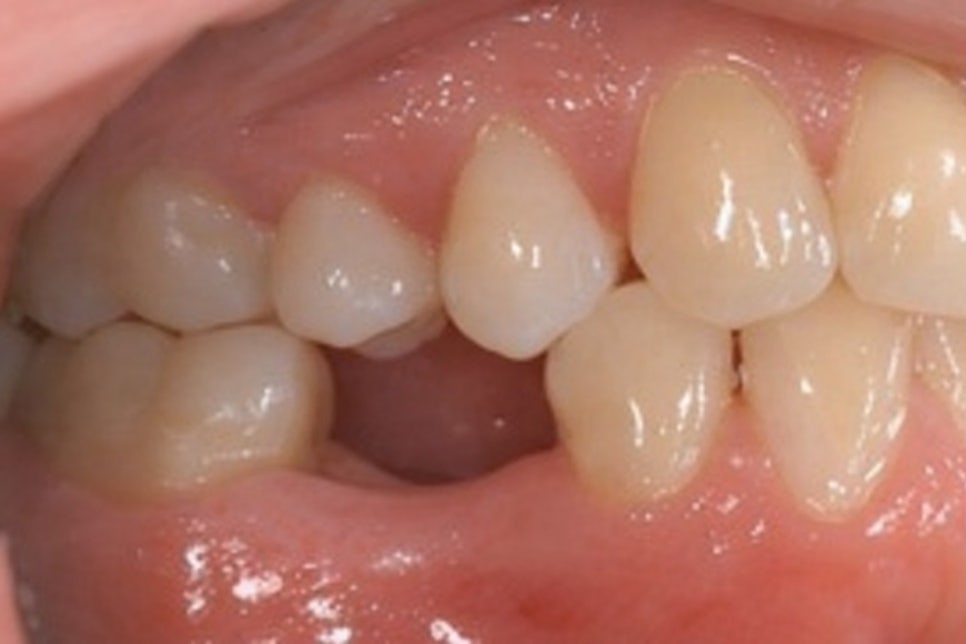
Some patients think that losing just one tooth is not a big problem and delay treatment.
If this is left untreated for a long time, various problems can occur, such as movement of adjacent teeth, changes in the bite, and alveolar bone resorption.
As time passes, this can make treatment more difficult and increase the likelihood that additional procedures will be needed.
Therefore, it is best to understand the causes of tooth loss accurately and learn in advance about the problems that may appear afterward, as well as the treatment methods.
Yeongdeungpo-gu Office Station dental clinic, specialist in conservative dentistry, Kim Min-young
- Main causes of tooth loss
The main causes are typically periodontal disease, severe cavities, and trauma.
🔻 First, periodontal disease causes inflammation in the gums and the tissues around the teeth, and as the alveolar bone gradually resorbs and the structure supporting the teeth weakens,
teeth may become loose or eventually reach a condition where extraction is necessary.
Because symptoms are often not obvious in the early stage, it is especially important to leave it untreated, which makes regular checkups even more important.
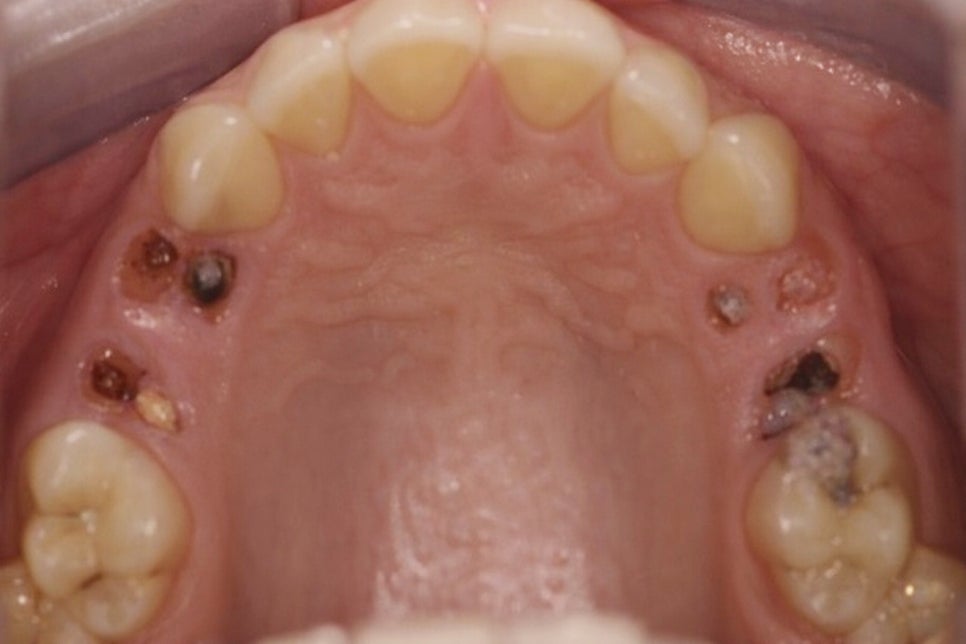
🔻 Severely advanced cavities are also a major cause. If they progress deeply beyond the enamel and dentin into the inside of the tooth, they can also lead to fracture.
In such cases, if root canal treatment or prosthetic restoration is difficult, extraction may need to be considered.
🔻 When a tooth is broken or knocked out due to a sports accident, a fall, or strong impact,
it may be difficult to preserve the natural tooth, and extraction may be necessary.
In this way, tooth loss often occurs through a combination of various oral diseases and external factors.
Therefore, maintaining proper oral hygiene and having regular checkups are essential for detecting and managing problems early.
Yeongdeungpo-gu Office Station dental clinic, specialist in conservative dentistry, Kim Min-young
- Problems that can occur
<Movement of adjacent teeth and changes in tooth alignment>
Because teeth fit together and maintain balance, when one tooth is missing, the surrounding adjacent teeth gradually tilt or move into the empty space.
This change disrupts the balance of the dental arch and makes food more likely to get trapped, which can increase the risk of cavities and periodontal disease.
<Overeruption of the opposing tooth>
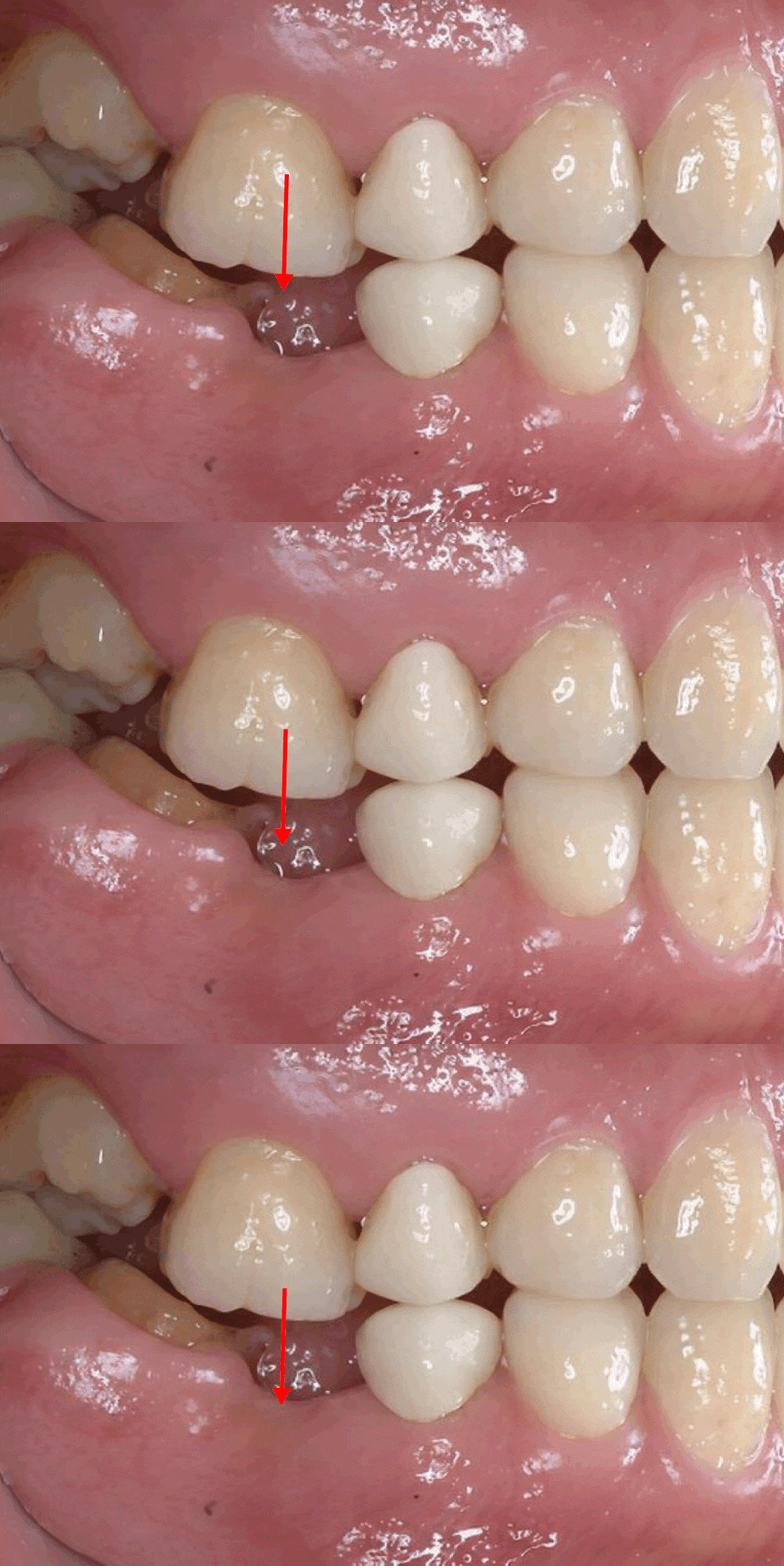
When one of the upper and lower teeth that used to meet disappears, the opposing tooth no longer has a contact partner during chewing, so it gradually moves downward or upward.
This is called overeruption, and it can disturb the occlusal relationship and cause discomfort in chewing function.
<Reduced chewing function>
If there are too few teeth, it becomes difficult to chew food thoroughly, and force becomes concentrated in certain areas, which can place excessive stress on the remaining teeth.
As a result, the risk of wear or fracture in other areas may increase.
<Alveolar bone resorption>
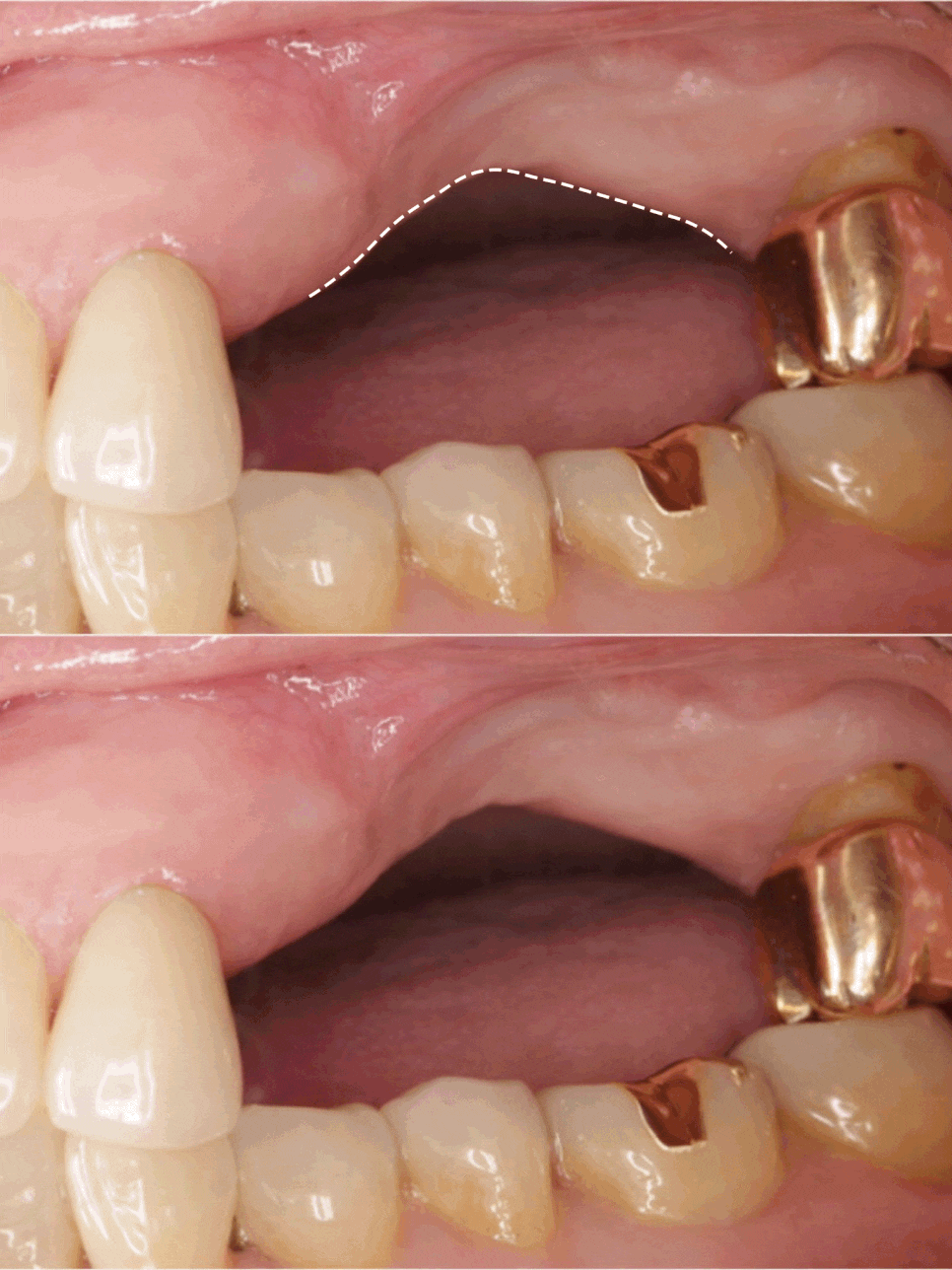
Teeth must be present for continuous stimulation to be delivered to the alveolar bone. When a tooth is lost, this stimulation disappears and the alveolar bone in that area gradually decreases.
As time passes and the amount of alveolar bone decreases, additional procedures such as bone grafting may be necessary when later placing an implant.
Yeongdeungpo-gu Office Station dental clinic, specialist in conservative dentistry, Kim Min-young
- Treatment methods
<Bridge>
This is a method in which the adjacent teeth on both sides of the missing tooth are used as abutment teeth to place a connected prosthesis.
Treatment can be completed in a relatively short period of time, and because it is a fixed prosthesis, it can be used stably. However, the abutment teeth must be trimmed to a certain extent.
<Denture>
If several teeth are missing or if an implant is difficult due to the condition of the jawbone, a denture may be considered.
As a removable prosthetic device, it can compensate for a wide range of missing teeth.
<Implant>
This method involves placing a fixture (artificial root) into the alveolar bone where the tooth is missing and then connecting a prosthesis on top of it.
It can restore function similar to that of a natural tooth and has the advantage of allowing treatment without removing adjacent teeth.
It also helps restore chewing function and reduce alveolar bone resorption.
Yeongdeungpo-gu Office Station dental clinic, specialist in conservative dentistry, Kim Min-young
In this way, after tooth loss, it is most important to comprehensively consider the patient’s oral condition, the amount of alveolar bone, and overall health status when selecting an appropriate treatment method.
Natural teeth do not recover on their own once lost, so prevention and early treatment are important.
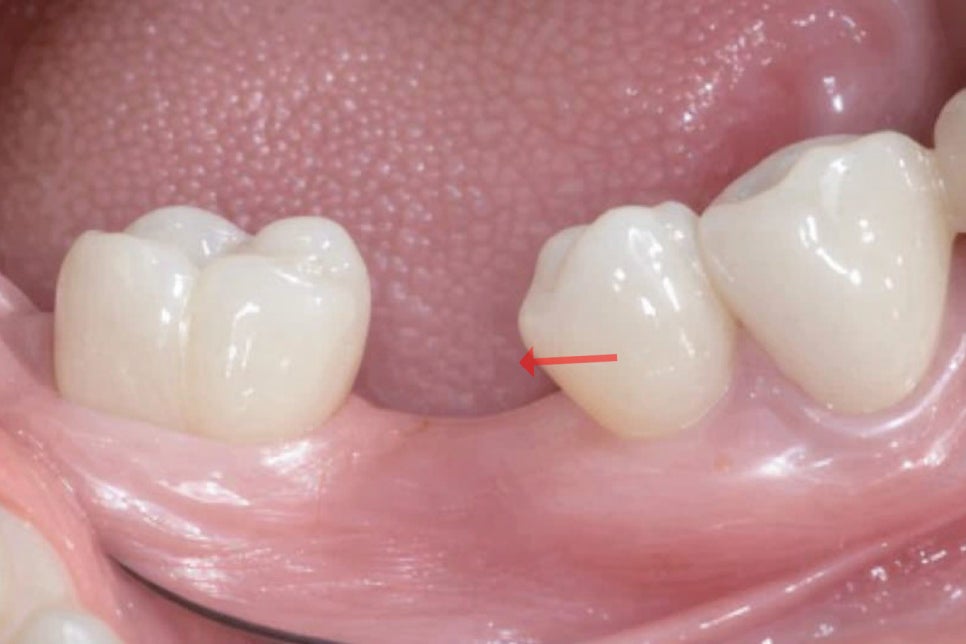
If a missing tooth is left untreated for a long time, various oral problems can occur, such as movement of adjacent teeth, changes in the bite, and alveolar bone resorption, and treatment may also become more difficult.
Therefore, please have the condition accurately assessed and discuss the treatment method that is right for you with your medical team.
This has been Kim Min-young, specialist in conservative dentistry at a dental clinic near Yeongdeungpo-gu Office Station.
Thank you for reading this long post.