Hello, this is Kim Min-young, a restorative dentistry specialist at a Dangsan dental clinic.
Even if you brush carefully every day,
have you ever experienced bleeding or bad breath
that just won’t go away?
If these symptoms keep recurring, there is a high chance that subgingival calculus
has built up in deep areas that your toothbrush cannot reach.
If left untreated, it can go beyond periodontal disease and lead to serious problems
that threaten the teeth themselves,
so today we’ll take a closer look at this issue.
Dangsan dental clinic restorative dentistry specialist Kim Min-young
What Is Subgingival Calculus?
Calculus is broadly divided into two types
depending on where it forms.
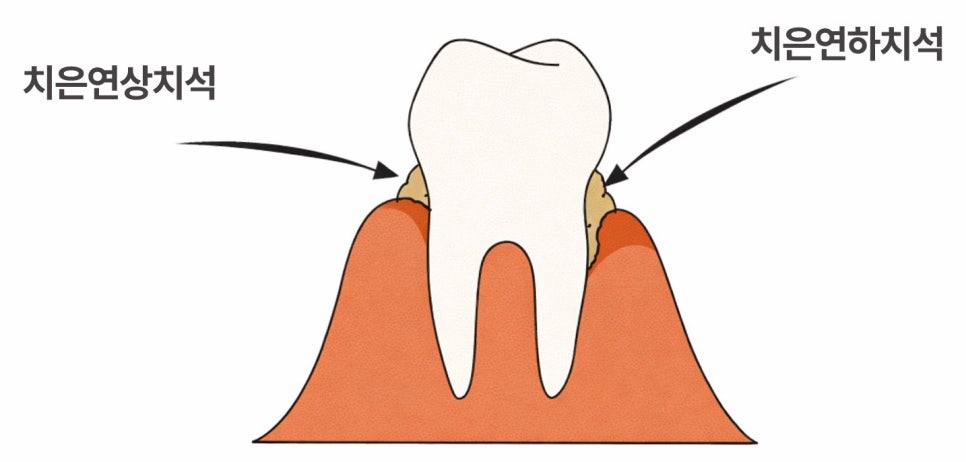
The type that accumulates on the visible area above the gums is called
supragingival calculus,
while the type that forms deep below is called
subgingival calculus.
Supragingival calculus is formed when minerals in saliva combine with plaque,
and it is relatively light in color and visible to the naked eye.
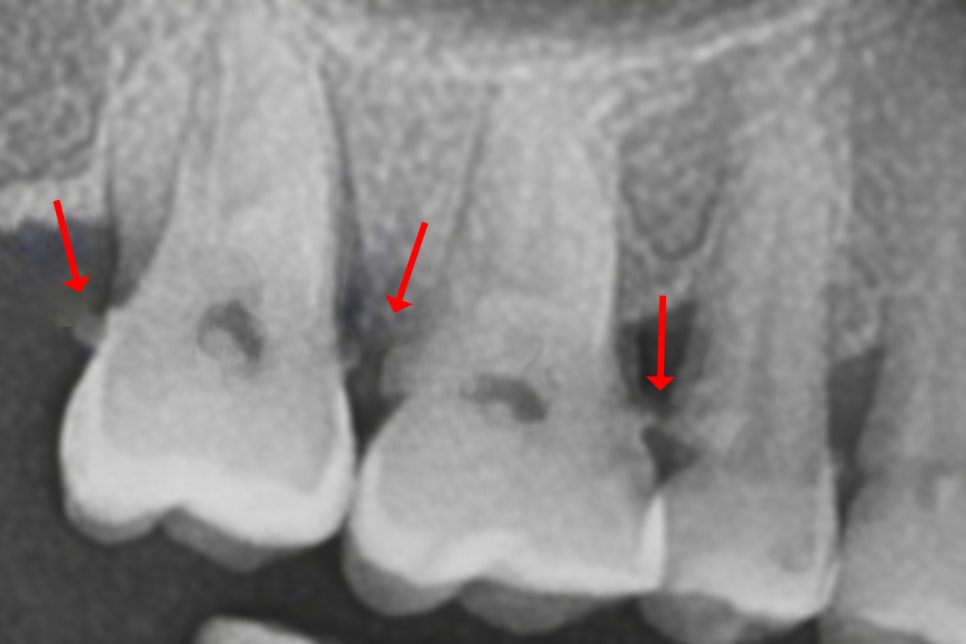
By contrast, subgingival calculus is typically dark brown or
blackish and hardened,
which is its main characteristic.
Because it is hidden inside the gums,
it cannot be seen in a mirror,
and it is difficult to reach with a toothbrush.
So no matter how diligently you brush,
it is practically impossible to remove it yourself.
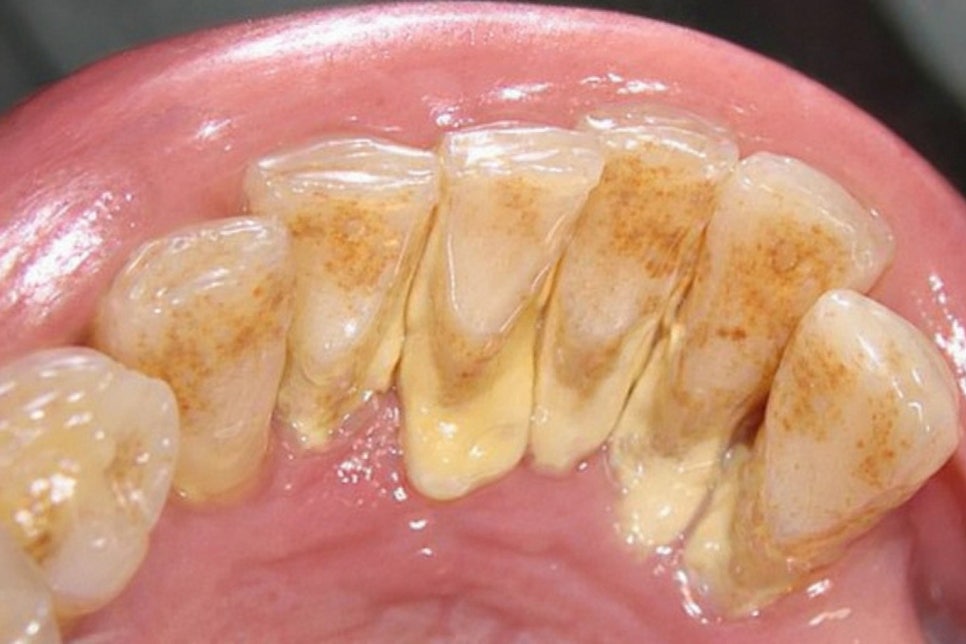
The bigger problem is that it builds up slowly
and quietly,
so because there is no pain, many people accumulate a significant amount
without realizing it,
and during that time, the gums are continuously
exposed to inflammatory reactions.
This is exactly why regular professional scaling is necessary.
Dangsan dental clinic restorative dentistry specialist Kim Min-young
What Happens If It Is Left Untreated?
When it accumulates over a long period, it causes persistent irritation and inflammation
to the periodontal tissues,
and in the early stage it may only result in gingivitis, where the gums swell and bleed,
but even at this stage, many people tend to dismiss it
because the pain is not severe.
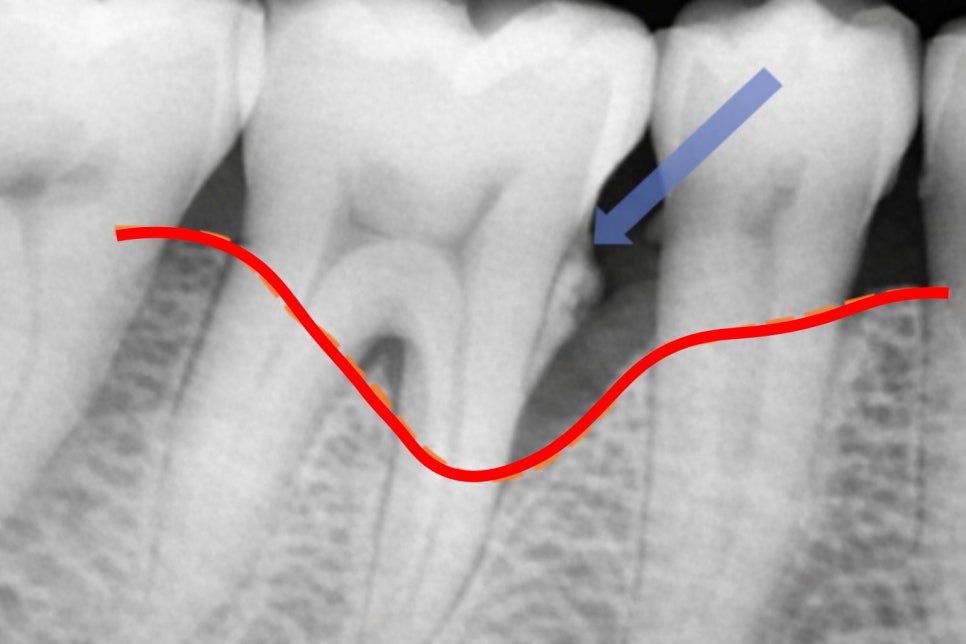
The problem comes when gingivitis is left untreated, and if proper care is not provided,
it can progress to periodontitis, where even the alveolar bone supporting the teeth
slowly deteriorates.
As periodontitis progresses, even teeth that seemed fine can become loose,
eventually leading to extraction.
This is also why the oral condition must be in good shape before receiving implants or prosthetic treatment.
In particular, people with systemic conditions such as diabetes or hypertension need to be more careful,
as gum inflammation can interfere with blood sugar control or increase the risk of cardiovascular disease,
and may affect overall health as well.
Therefore, at the Dangsan dental clinic,
we believe it is important to check oral health regularly and catch early changes
without missing them.
How Often Should Scaling Be Done?
If your gums are generally healthy, scaling once every 6 months to
once a year is generally recommended.
If you are 19 or older, one annual session is covered by health insurance,
so you can receive it without a financial burden,
and simply making use of this system can greatly help maintain oral health.
However, smokers tend to accumulate deposits much faster,
and if the gums are weakened due to diabetes or other reasons,
it is better to receive care at shorter intervals,
such as every 3 to 4 months.
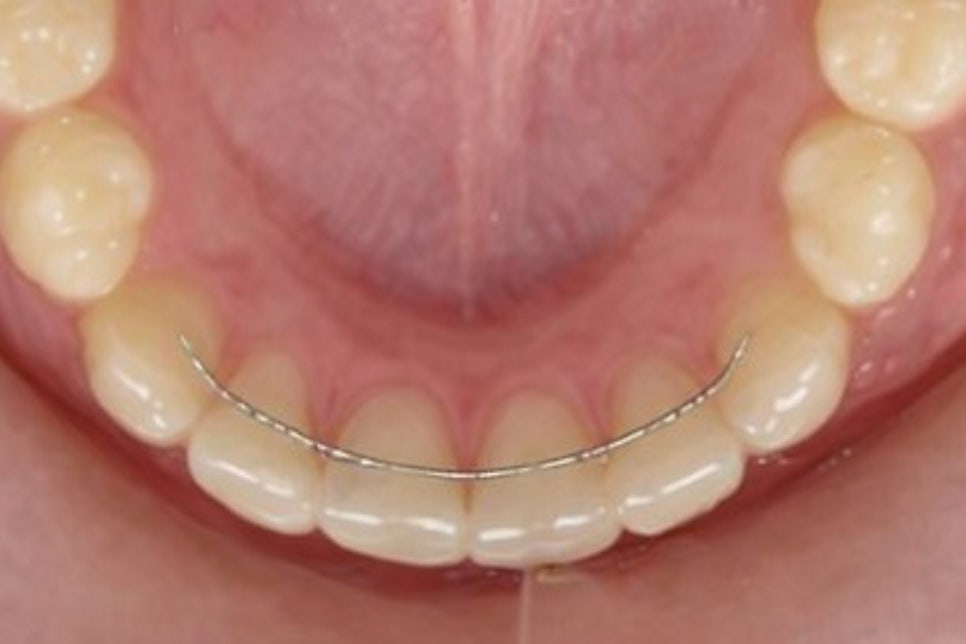
For people wearing orthodontic appliances,
because food can easily get stuck,
more frequent visits are also recommended.
If a significant amount of deposit has already accumulated,
a procedure called root planing, which smooths the contaminated root surface,
may also be necessary.
Because the proper interval varies depending on each person’s oral condition,
you should establish a care plan that suits you through regular checkups.
Dangsan dental clinic restorative dentistry specialist Kim Min-young
Scaling is not an option to consider only when there is no pain;
it is preventive care that must be taken care of before problems arise.
Many people think there is no need to visit if there is no particular pain,
but by the time symptoms appear, a significant portion has often already progressed,
and treatment from that point on takes much more time, costs more, and requires a longer recovery process.
Therefore, I recommend having your oral condition checked once every 6 months,
or at least once a year.
Healthy teeth are valuable assets that protect your quality of life over a long period of time.
Even if you do not feel any discomfort right now,
I hope you’ll take a moment to think about when you last had scaling.
This has been Kim Min-young, a restorative dentistry specialist at a Dangsan dental clinic.
Thank you.