Hello.
This is the National Assembly Building Dental Clinic.
Source: Google
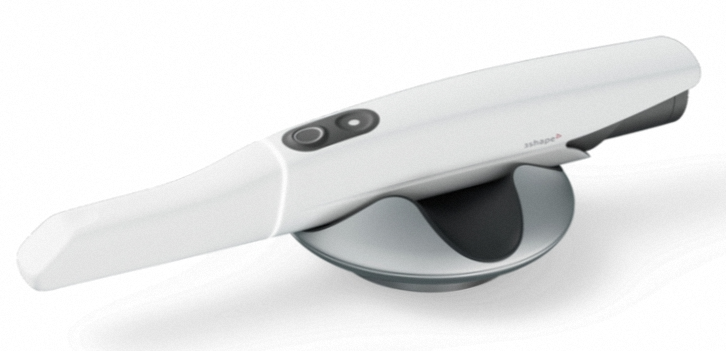
Today, I’d like to explain the process of creating aesthetic prosthetics using digital equipment.
In the past, impression-taking was often done with rubber impression materials or alginate.
As we moved into the digital age, various programs and devices such as 3D scanners, 3D printers, and CAD/CAM have been developed.
So today, let’s look at how the process works.
- Digital impressions that begin without impression material
Source: Google
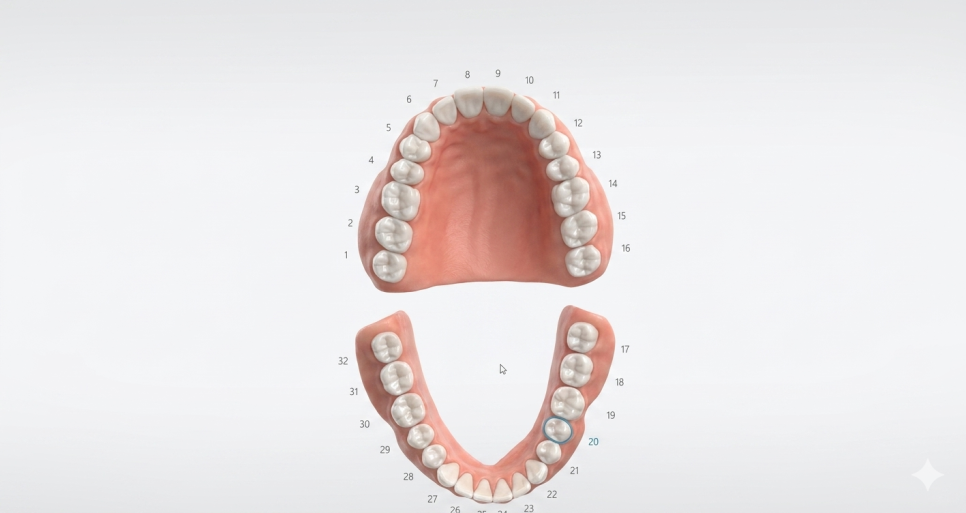
One of the most common memories people have before treatment is biting into impression material and waiting for several minutes.
When cold material fills the mouth, it is often accompanied by gagging and a foreign-body sensation.
The few minutes it takes for the material to harden can also feel unusually long.
Source: YouTube
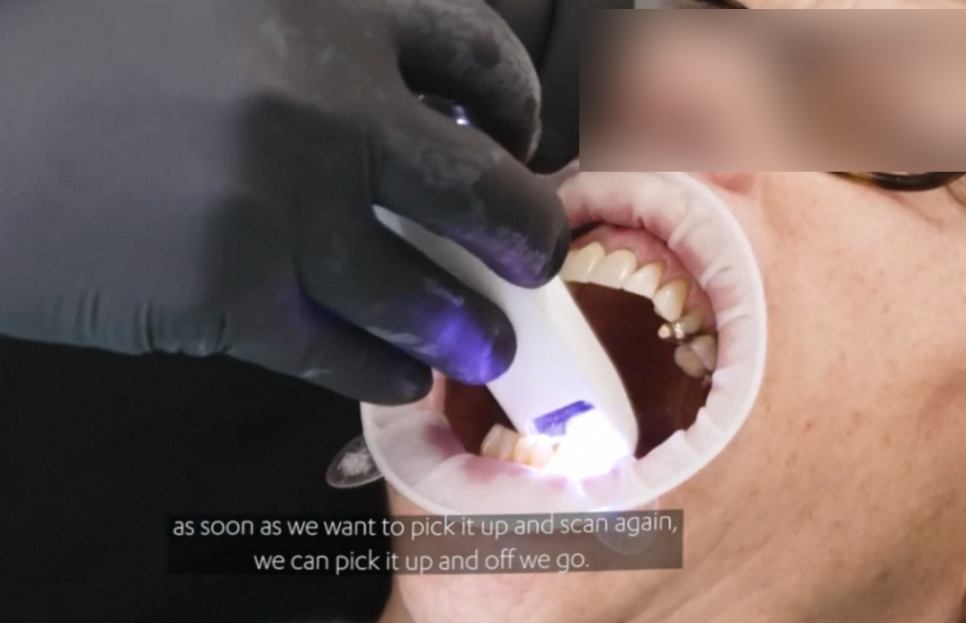
Recently, the use of a 3D oral scanner to replace this process has become more established across dentistry.
At the National Assembly Building Dental Clinic, this kind of change is especially evident in the prosthetics field, so we study it and try to share it with you.
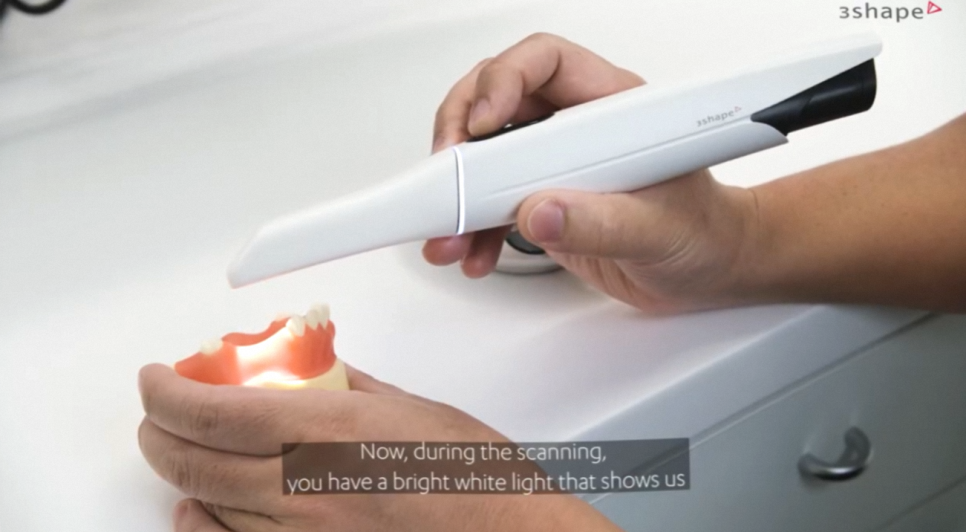
This device scans the inside of the mouth by moving over the tooth surfaces like a small camera, and creates a file of the oral cavity as computerized image data.
Source: YouTube
It may be easier to understand if you think of it as similar to the principle of generating a blueprint by scanning an indoor space in 3D.
- Why precision matters
Source: YouTube
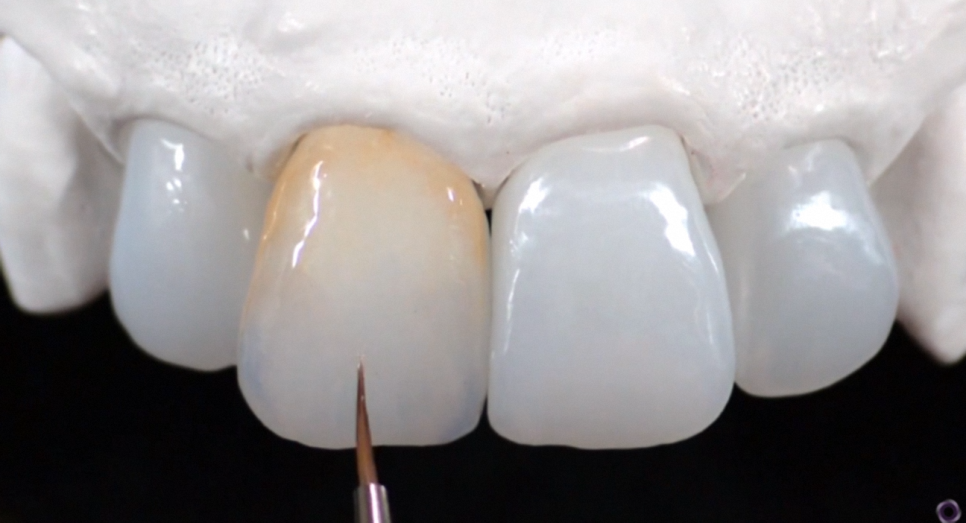
Aesthetic prosthetics do not simply stop at restoring the shape of a tooth.
Because multiple factors must be satisfied at the same time, including shade, translucency, fine contours, and harmony with adjacent teeth, precise design is essential, according to the National Assembly Building Dental Clinic.
Source: YouTube
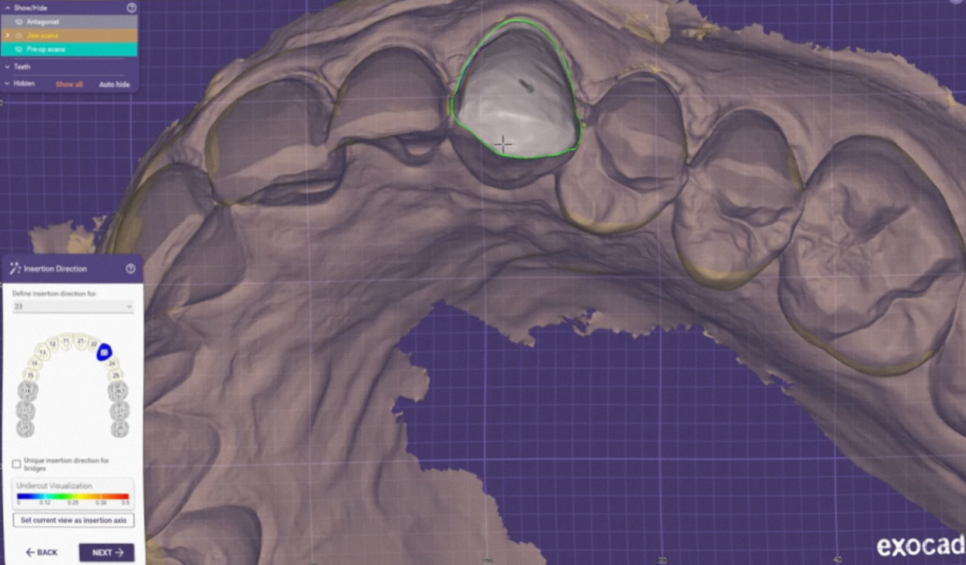
If the margin where the crown meets the actual tooth is even as small as a single strand of hair, there is still room for food debris and bacteria to enter.
These tiny errors can, over time, increase the likelihood of secondary decay or gum inflammation.
With the traditional impression-taking method, subtle distortions accumulate at each stage as the material shrinks and expands, and again when it is transferred to a plaster model, which increases error and can lead to a final prosthesis that does not fit properly.
For this reason, many medical institutions are moving toward scanning methods to minimize such distortion.
- Clinical advantages of 3D digital impression-taking
Source: YouTube
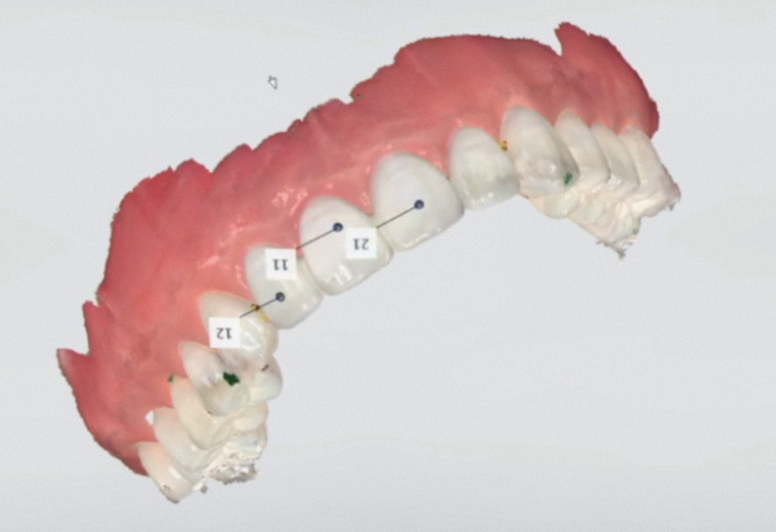
A scanning method displays the inside of the mouth on a computer in real time.
By collecting data at speeds of more than 30 to 50 frames per second, it takes about 45 seconds to 2 minutes for an experienced operator.
Compared with the roughly 5 minutes needed for the traditional rubber impression method, this is a much faster way to take an impression.
Also, when using rubber materials, you cannot tell whether there are bubbles or distortions until you check the impression outside the mouth.
If a new impression is needed, it takes more than 5 minutes, whereas with scanning, only the incorrectly scanned area can be deleted and rescanned in part, taking only a few seconds, which is much more convenient.
Source: YouTube
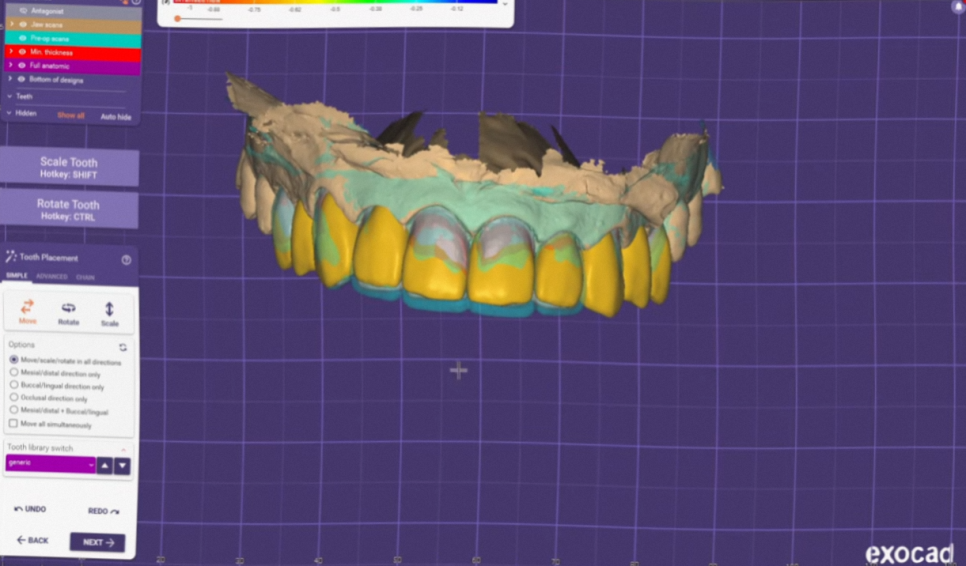
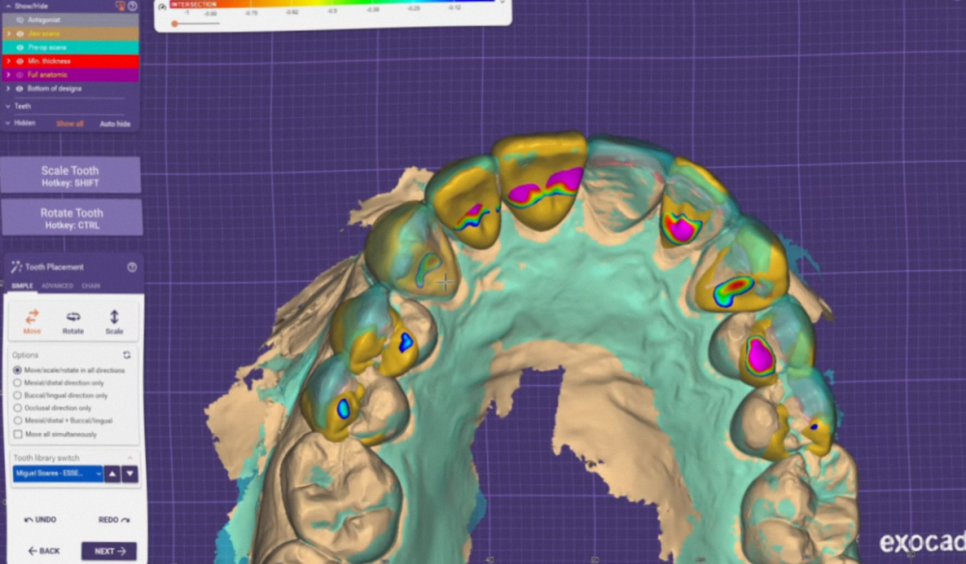
In the design stage in particular, it is possible to immediately check the shade contrast with adjacent teeth and the contours of the gingival line through images and color.
This helps when additional treatment is needed for areas with insufficient space or imperfect smoothness, and it also helps explain the situation to the patient and ask for their understanding.
Because the scanning data is sent immediately to the dental lab or in-house lab, the delivery process is omitted and prosthetics can be made more quickly.
It is also relatively less burdensome for patients with a sensitive gag reflex or those who have difficulty tolerating the setting time of impression material.
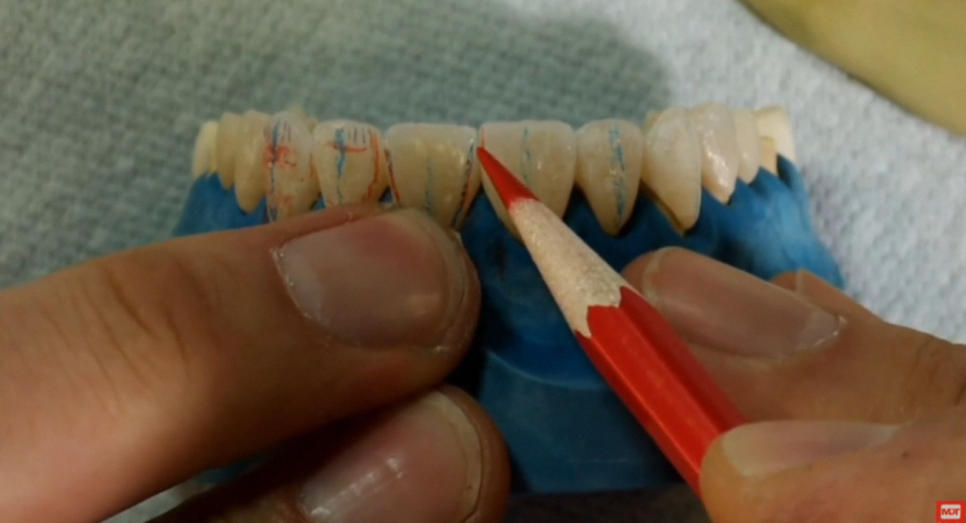
There are also many advantages during the lab process.
Source: YouTube
For example, in the traditional method of working from a plaster model, hidden areas are judged and adjusted based on the technician’s experience.
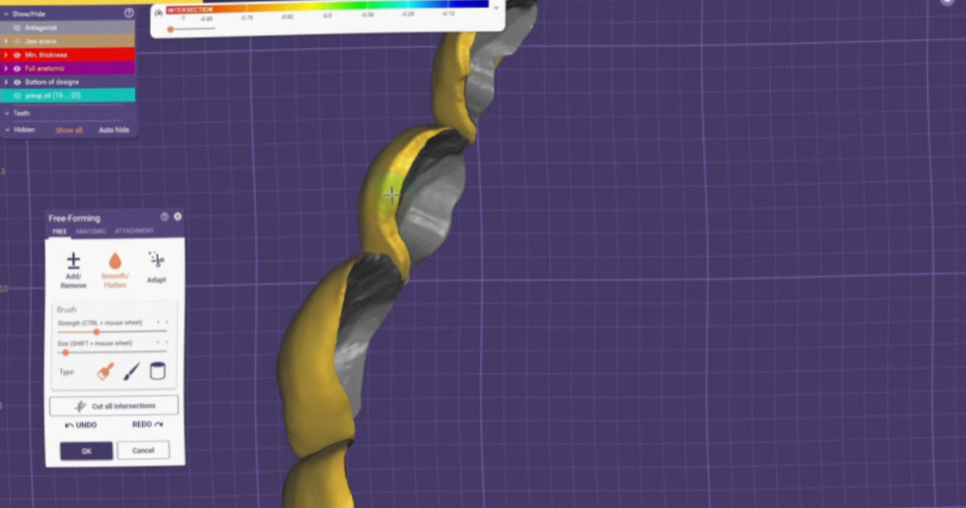
But because the design is adjusted on a computer from multiple angles, even areas that are easy to miss can be enlarged and created in greater detail.
And since scan data is stored as an electronic file, if additional treatment is needed later or if something needs to be remade, the same reference data can be reused, which is a major advantage.
- Why scanning is not万能
However, 3D scanning cannot completely replace the traditional method in every situation.
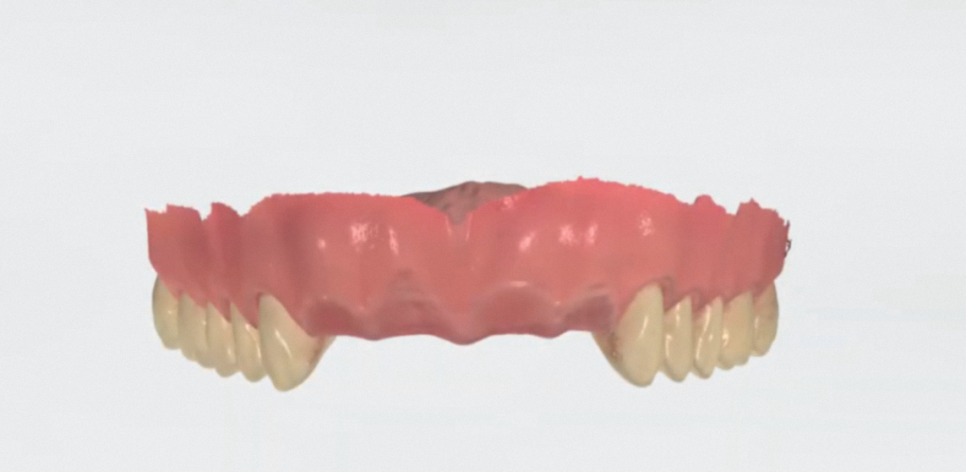
If blood or saliva pools around the tooth preparation area, scanning accuracy may decrease, so thorough visibility must come first.
Source: YouTube
Also, when scanning is paused and restarted, the information is re-digitalized based on the point at which recognition is possible.
If there is a wide area of soft tissue with many changes, scanning may not work well.
Therefore, in conditions such as deep margins below the gum line or limited mouth opening, the operator’s skill and judgment greatly affect the result, so a certain level of technical proficiency is required.
Ultimately, along with the equipment itself, clinical experience and close collaboration with the dental lab determine the quality of the final result.
From the perspective of the National Assembly Building Dental Clinic, if you are considering aesthetic prosthetics, it is helpful not only to think about whether a scanner is available, but also to understand the overall treatment system and know how the process works.
- Balancing digital and analog
Source: YouTube
There is no doubt that a 3D oral scanner is a tool that takes precision to the next level.
However, the equipment does not account for the entire treatment.
Only when the medical team’s experience, the ability to accurately read the color and shape of teeth, the design that takes the patient’s facial shape and smile line into account, and detailed communication with the dental lab come together can a natural result be achieved.
The National Assembly Building Dental Clinic emphasizes that not only the 3D system explained today, but also the role of the medical team is an important part.
If you are planning cavity treatment, rather than using scanner availability as the only criterion, it is helpful to check the precision and experience of the entire treatment process as well.
Source: YouTube
This is because digital technology is a tool, and the level of completion of the result depends on how the person using that tool applies it.
I hope today’s information was helpful.
Thank you for reading this long post.
This was the National Assembly Building Dental Clinic.