Hello,
I am Kim Min-young, a specialist in Conservative Dentistry at Dangsan Station Dental Clinic.
Many people are surprised when they are suddenly told during a routine checkup that they have periodontitis.
Even though they have been diligent about brushing their teeth, they do not understand why it developed. They are even more puzzled because they have not noticed any particular discomfort.
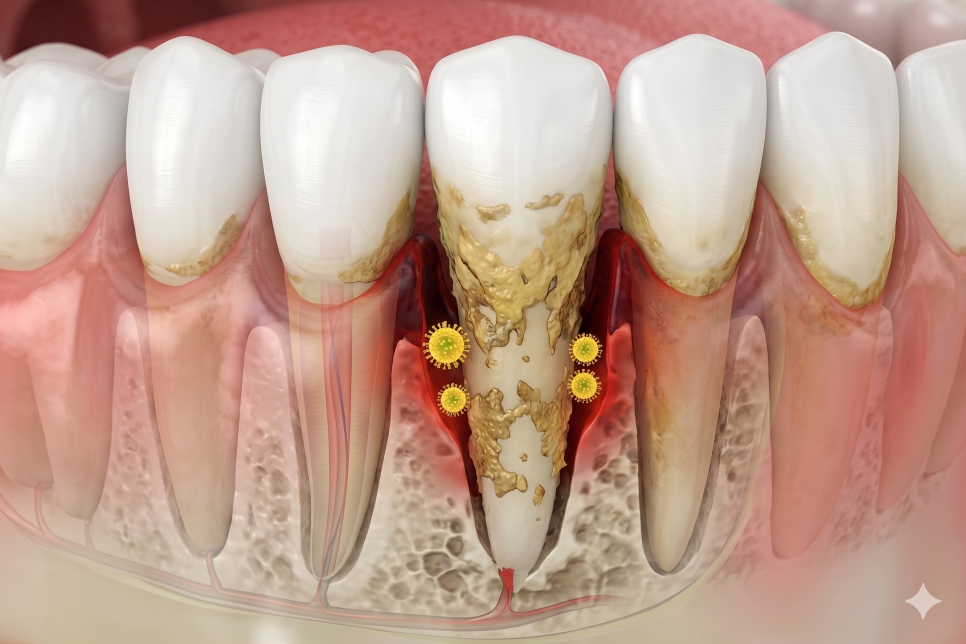
Periodontitis often progresses without the person realizing it because there are no obvious symptoms in its early stages.
Today, Dangsan Station Dental Clinic will explain the causes and symptoms of periodontitis, as well as the problems that may occur if it is left untreated.
Why does periodontitis develop?
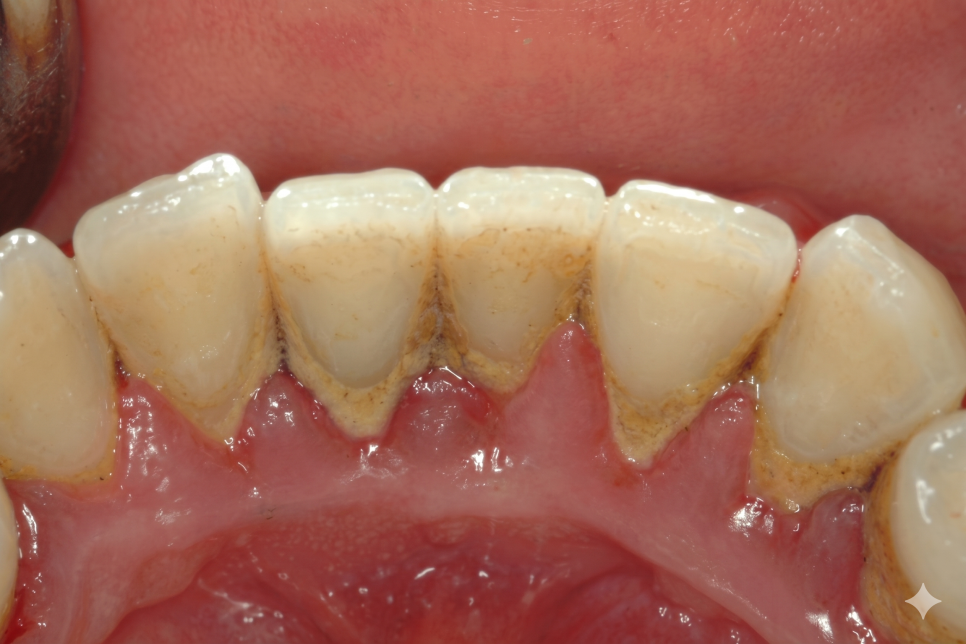
The biggest causes of periodontitis are plaque and tartar.
Plaque is a sticky film that forms when food debris and bacteria clump together and adhere to the surface of the teeth.
If you do not brush properly, it forms within 24 hours.
When plaque remains for a long time, it combines with calcium in saliva and hardens into tartar.
Because tartar cannot be easily removed with a toothbrush, it makes its way into the gap between the gums and teeth.
As tartar builds up, the gums become inflamed, and if the inflammation persists, even the jawbone supporting the teeth can be damaged.
Smoking is also an important cause.
Nicotine and tar in cigarettes constrict the blood vessels in the gums, interfering with blood circulation,
and reduce immune function, making the gums more vulnerable to bacterial infections.
Gum health may also worsen if you have a systemic disease such as diabetes or are under significant stress.
What symptoms does periodontitis cause?
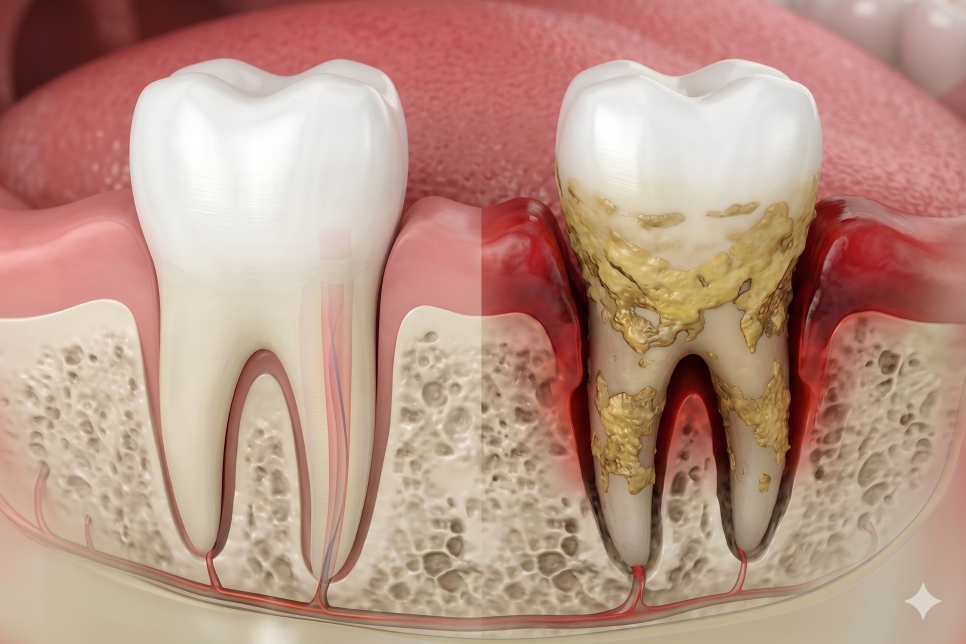
Early periodontitis begins with symptoms such as swollen gums and bleeding when brushing.
At this stage, there is usually little to no pain, so many people do not consider it a serious problem.
However, as the inflammation deepens, the gums separate from the teeth, creating spaces called periodontal pockets.
The deeper the periodontal pockets become, the more easily bacteria can settle inside them.
The inflammation spreads to depths that cannot be reached by brushing.
As the inflammation continues to progress into the gums, the alveolar bone—the jawbone that supports the teeth—also gradually begins to break down.
As the condition enters the moderate stage, the gums recede and the tooth roots become exposed, causing sensitivity to cold water or hot foods.
Spaces may open up between the teeth, causing food to become trapped frequently and sometimes making chewing uncomfortable.
In the advanced stage, extensive damage to the alveolar bone can cause the teeth to become loose, and in severe cases, they may fall out on their own.
Pus from the gums and pain are also characteristic of this stage.
What problems can occur if periodontitis is left untreated?
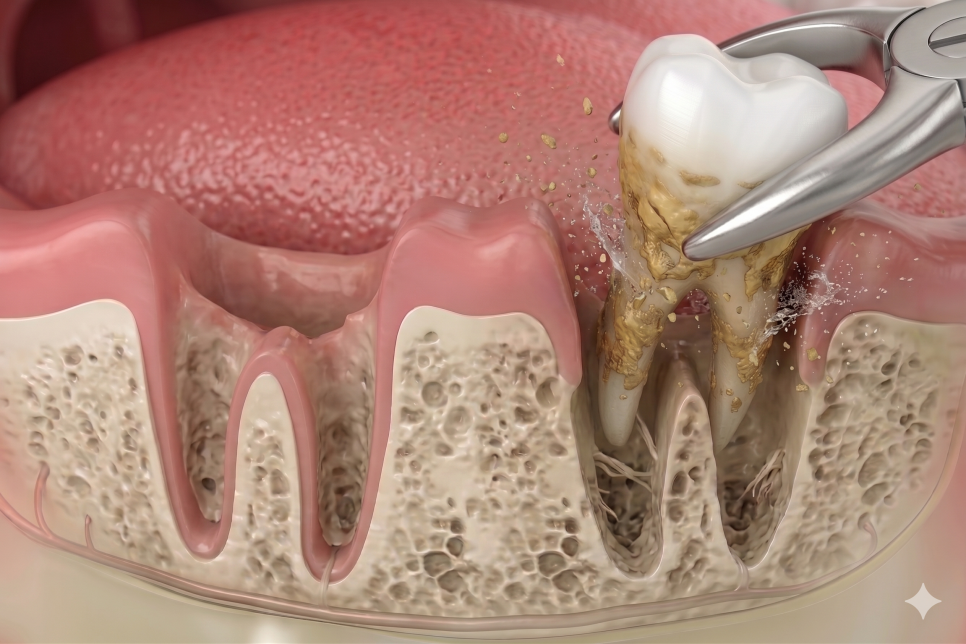
If periodontitis is left untreated, you may lose your teeth.
When the alveolar bone breaks down, it can no longer support the teeth, eventually leading to a situation in which extraction is necessary.
If several teeth are lost at the same time, chewing function can decline significantly, potentially leading to digestive problems or nutritional imbalances.
Recent studies have reported that periodontitis may also affect overall health.
These reports suggest that inflammation in the gums can spread throughout the body through the bloodstream and may be associated with cardiovascular disease or worsening diabetes.
Studies have also found that the risk of preterm birth or delivering a low-birth-weight baby may increase during pregnancy.
Periodontitis is not simply a problem confined to the mouth; it is a condition that may threaten overall health as well.
Early treatment is important
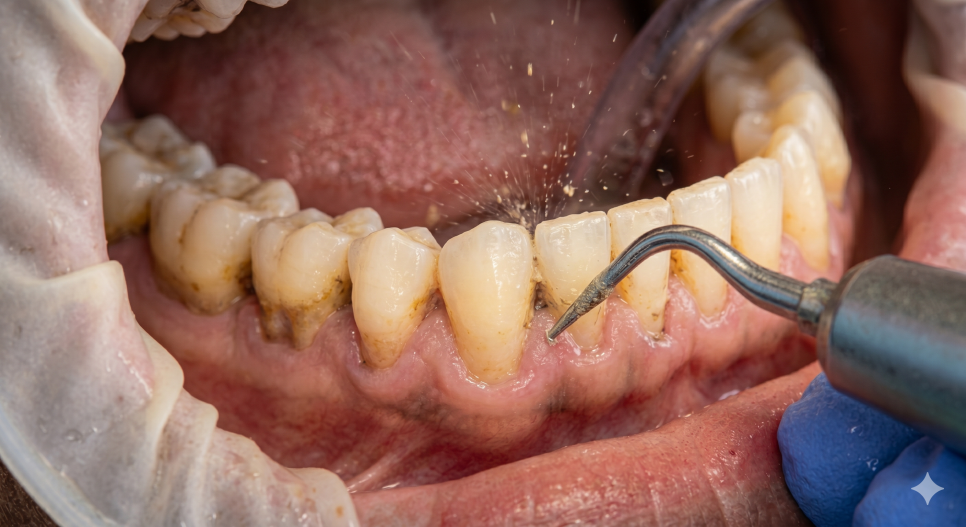
The guidance provided by Dangsan Station Dental Clinic is that detecting and treating periodontitis early is most important.
In the early stages, inflammation can often be adequately controlled with scaling alone, and gum health can be restored.
If periodontitis has progressed severely, root planing to remove tartar from deep below the gums or gum surgery may be necessary.
Maintaining proper brushing habits and receiving regular checkups every six months can help prevent periodontitis or detect it at an early stage.
If your gums bleed or become swollen, do not put off visiting a nearby medical institution. We recommend having your condition accurately examined.
Healthy gums are the first step toward protecting your teeth for life.
This was Kim Min-young, a specialist in Conservative Dentistry at Dangsan Station Dental Clinic.
Thank you.