Pus-filled acne,
why shouldn’t
you squeeze it
at home?
A few days ago, someone came into the consultation room repeatedly touching a red, swollen pimple on their cheek.
They said it had throbbed all night, so they eventually squeezed it at home. The next day, it had swollen even more, and they looked understandably upset.
Today, drawing on the conversation we had that day, I’d like to address one of the questions we hear most often about treating pus-filled acne.
Once you know the answer to the question, “Why shouldn’t I squeeze it at home?”, you may be able to stop yourself a little more easily when your hand keeps reaching for your face.
That urge to touch it first,
I understand it too
When you spot a pimple
that has suddenly appeared
while looking in the mirror,
everyone’s hand naturally reaches for it first.
You think, “If I just squeeze it,
it’ll go down quickly.”
That person felt the same way.
They said one had suddenly appeared the day before,
and after wondering whether they really needed to visit a dermatologist,
they eventually pressed and squeezed it with their fingernails before going to bed.
But the next morning, the area was
even redder, firmer, and more swollen.
This kind of experience probably
doesn’t feel unfamiliar.
At the end of a busy day, people often choose
a momentary sense of relief,
only to struggle with the problem
for several more days.
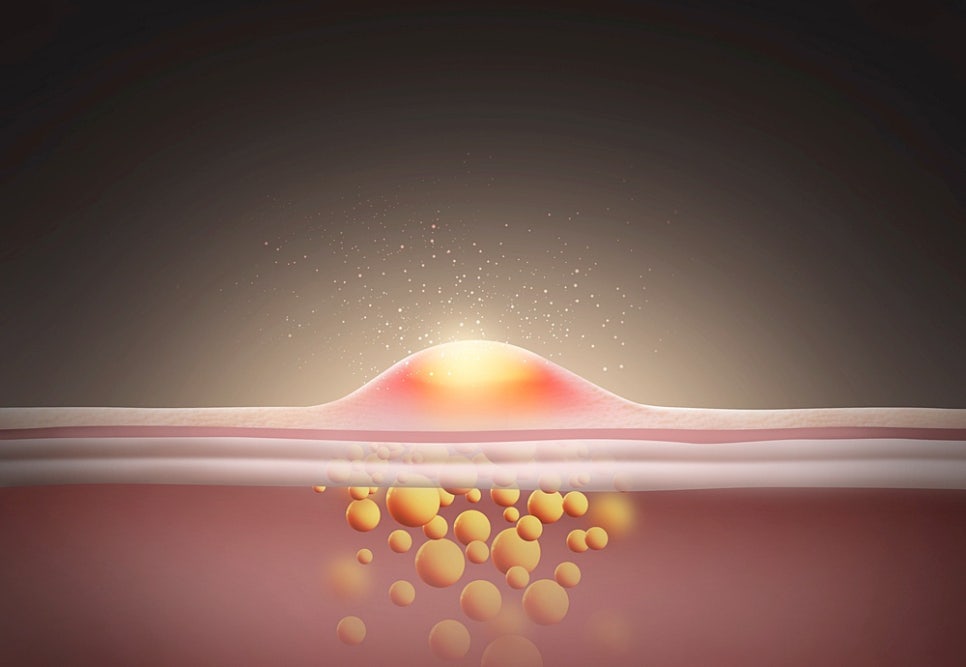
Why are pimples containing pus different?
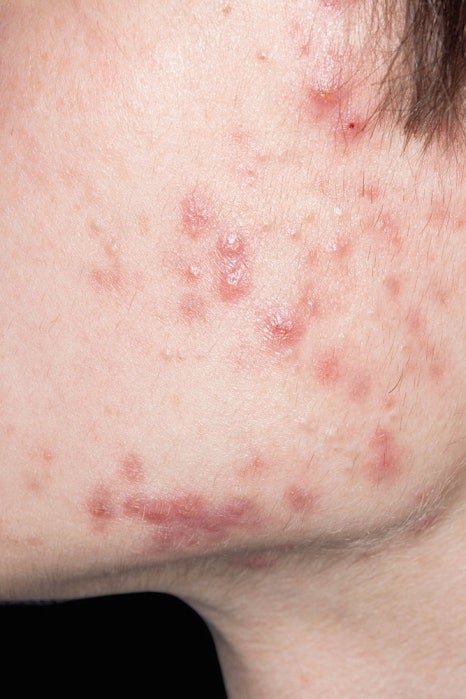
Pus-filled acne is, quite literally,
acne containing pus.
Sebum and dead skin cells build up
inside the pores, and bacteria settle there,
causing the inflammation to become deeper.
Yellowish or whitish pus
can be visible on the surface,
and the area may throb and hurt
when touched.
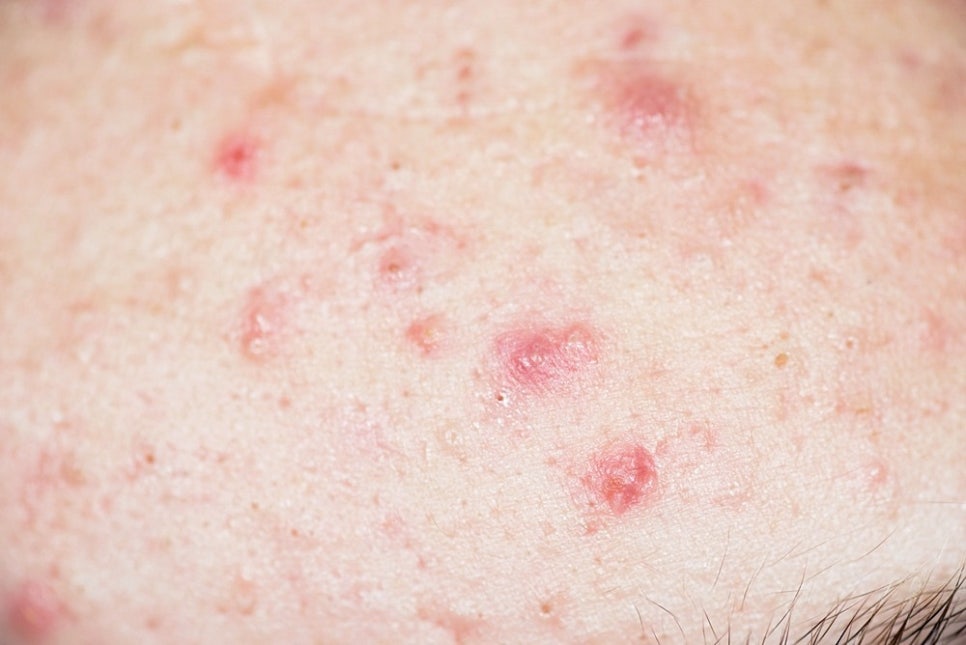
Unlike small, bumpy pimples
that resemble grains of millet,
the root often extends down
into the dermal layer.
To put it simply, it is less like
a stain on the surface and more like
water that has seeped deep inside
the wallpaper and the wall beneath it.
That is why touching only the surface
does not make it subside. Instead,
it can easily irritate the inflammation underneath.
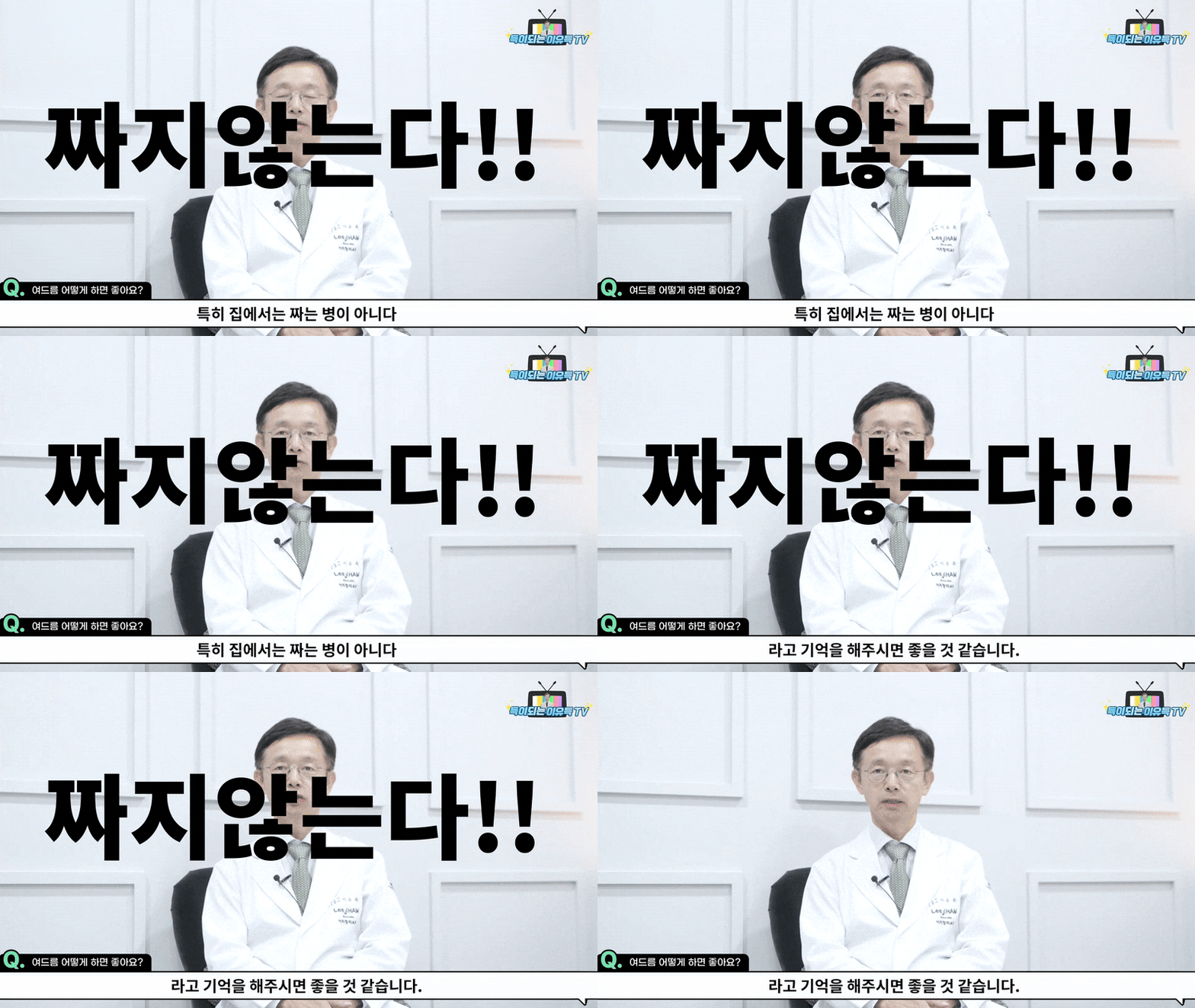
What happens the moment you touch it at home
So why shouldn’t you squeeze it at home?
Our hands and fingernails
always carry bacteria that
are invisible to the naked eye.
When you press an inflamed area
with unsanitized hands,
the pus may not come out.
Instead, bacteria can spread more easily
into the surrounding tissue.
This is why a single pimple
may spread to the area beside it.
Scarring is an even greater concern.
If the dermal layer is damaged
by forcefully squeezing it,
an indented scar or dark reddish
pigmentation may remain there.
In the consultation room, we often see unfortunate cases
where treatment for pus-filled acne
eventually leads to treatment for scars.
A brief sense of relief can turn into
months of worry.

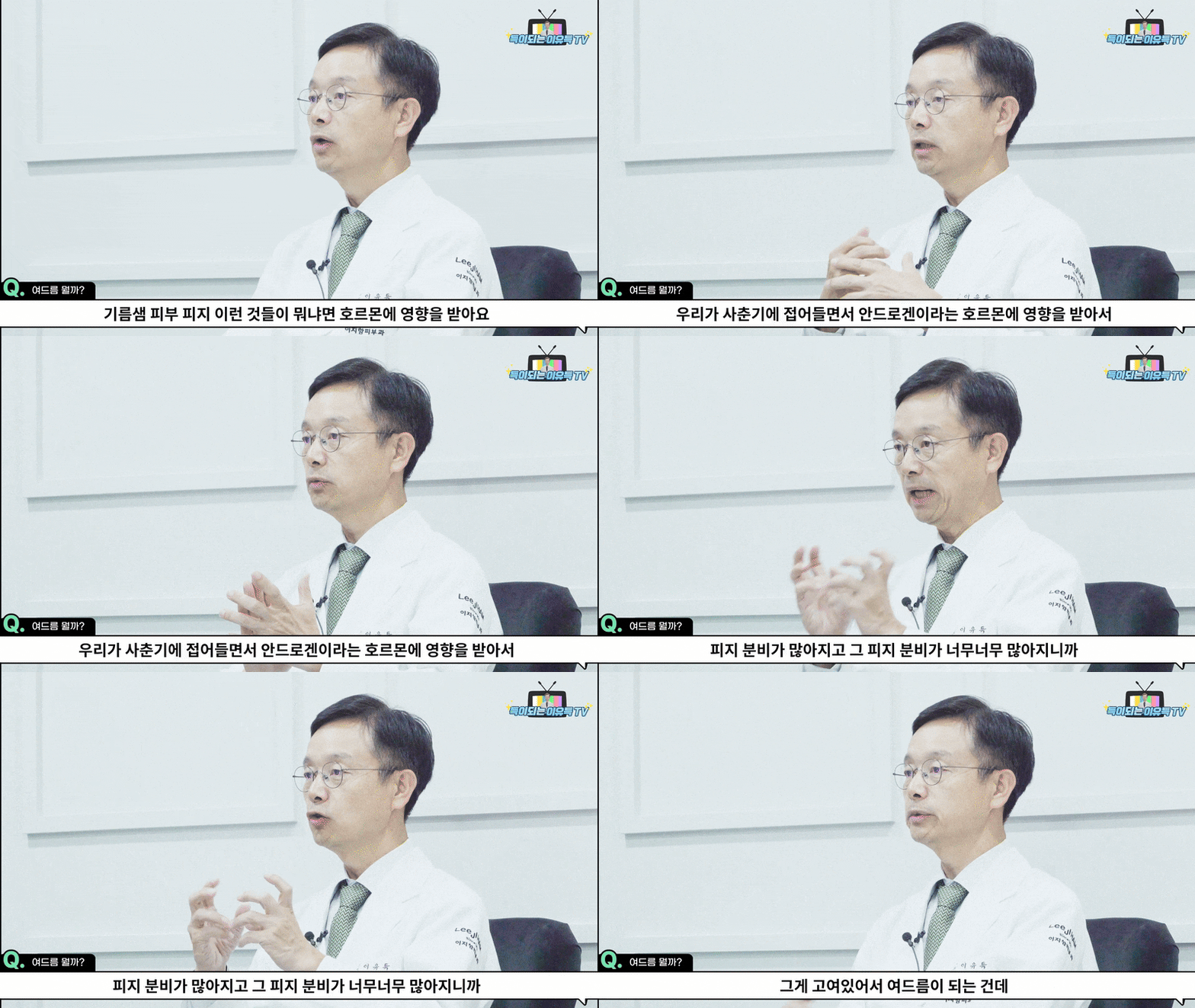
How we examine it at the clinic
So how is pus-filled acne
treated at a dermatology clinic?
First, it is important to reduce
sebum production itself.
We selectively regulate the sebaceous glands
with Artlaser. It may be easier to understand
if you think of it as turning off a faucet
that is releasing too much oil.
We also use skin scaling and
PDT scaling to clear sebum and dead skin cells
from inside the pores, while remaining
red marks and flushing are gradually refined
with IPL.
To be honest, Artlaser and IPL
may cause a stinging sensation
or a feeling of warmth during treatment.
For those who need it,
we use numbing cream
to reduce discomfort.
Results may vary depending on the condition of your skin,
so we monitor your progress and adjust the approach
based on an eight-week treatment course.
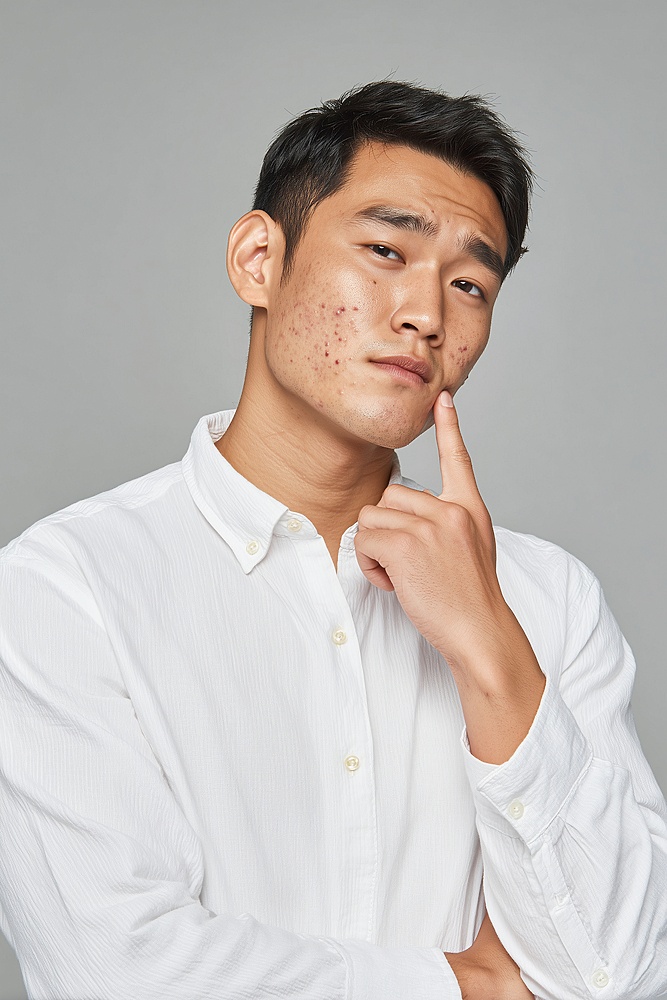
What happened to that person’s acne?
The person I mentioned at the beginning
started by stopping the habit
of squeezing their acne at home.
They said the first few days,
when they had to resist the urge to touch it,
were the most difficult. But as the inflammation subsided,
the number of new pimples that appeared
decreased noticeably.
Most of all, they were relieved
that the area that had nearly become a scar
healed without leaving a significant mark.
Treating pus-filled acne is not about
getting rid of one pimple in a hurry.
It is closer to creating time
for your skin to calm down on its own.
That is also why we talk about
a comfortable-looking face rather than
dramatic changes.
We believe honest care means
moving together toward skin
that you can trust over time.

Take care of your hands—start with that one step
If your hand kept reaching for your face
in front of the mirror today,
please remember this article.
The beginning of treating pus-filled acne
is not something grand.
It is simply taking that one step:
“Don’t squeeze it; wait.”
To prevent the redness you see now
from becoming a scar,
please try to spare your skin
from your hands a little longer.
The director answers your questions directly
Q1. Why does pus-filled acne
keep appearing?
A. When increased sebum production
or pores that clog easily
are combined with insufficient sleep,
stress, or hormonal changes,
inflammatory acne is more likely
to recur.
Individual predisposition can also play a role,
so combining lifestyle management
with care suited to your skin’s condition
may be helpful.
Q2. Won’t pus-filled acne
heal on its own if I just leave it alone?
A. Sometimes it does subside over time,
but scars or pigmentation can remain
during the process in quite a few cases.
Especially because touching it increases
that risk, it is better to establish
a management plan early
if the inflammation is deep.
Q3. Is visiting a dermatology clinic
better than managing it at home?
A. At a clinic, inflammation is treated
in a sanitized environment,
while sebum regulation and scar prevention
are also addressed together.
The biggest difference is that this can reduce
the risk of secondary infection or scarring
caused by squeezing it yourself.
Q4. Can I still wear makeup
while managing my acne?
A. It is best to avoid makeup
on the day of treatment,
but in most cases, you can apply it
starting the following day.
However, we recommend using
light, low-oil products.
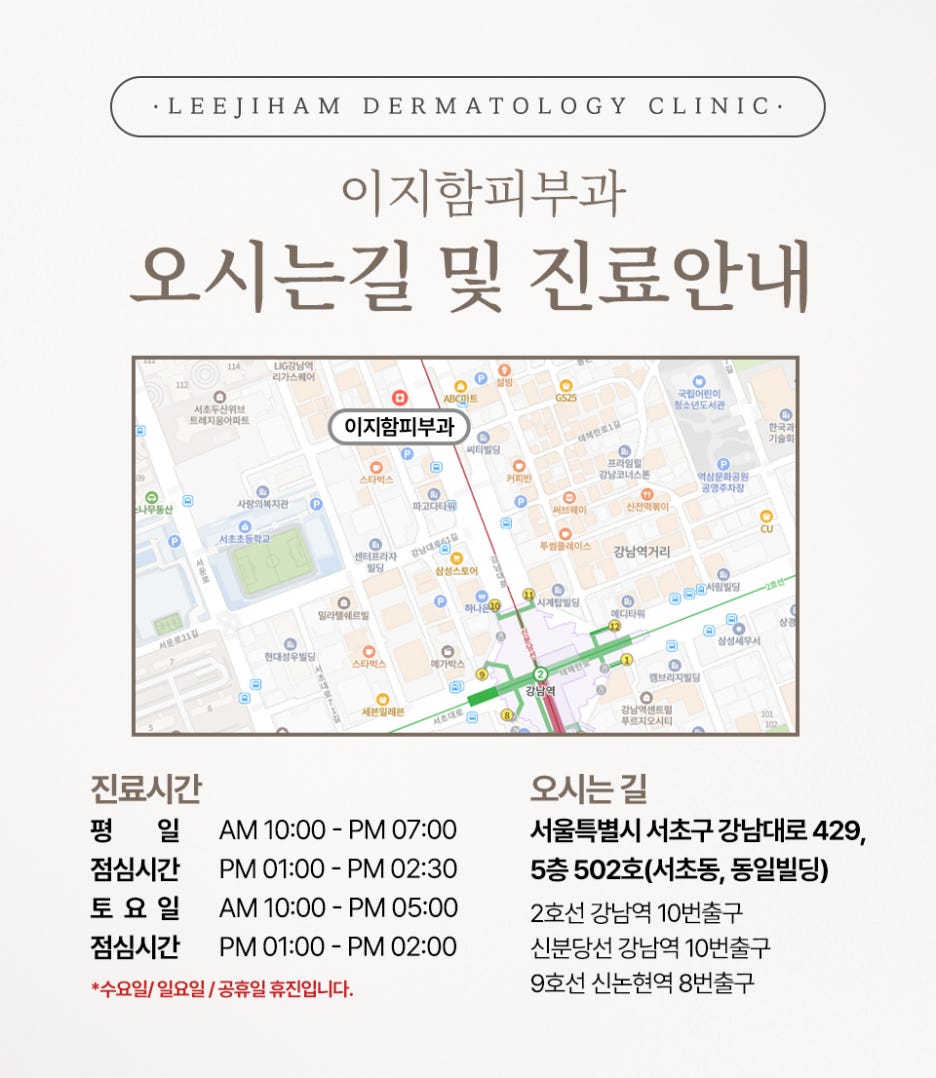
🏥 이지함피부과
📍 5th Floor, Suite 502, 429 Gangnam-daero,
Seocho-gu, Seoul (Seocho-dong, Dongil Building)
Near Gangnam Station and Sinnonhyeon Station
📞 02-567-5900
🕙 Clinic Hours
· Monday, Tuesday, Thursday, Friday
10:00 ~ 19:00
· Saturday
10:00 ~ 17:00
· Lunch Break
Weekdays 13:00 ~ 14:30
· Closed
Wednesday, Sunday, and public holidays