If your
fingers moved first
in front of the mirror
every night,
Today, I would like to discuss the topic that people who search for “acne dermatology clinic near Jeongja Station” most often bring up in the consultation room.
Our clinic is located near Gangnam Station and Sinnonhyeon Station, so it is some distance from Jeongja Station. However, we continue to see many visitors from the Bundang area, so we often encounter the same concerns.
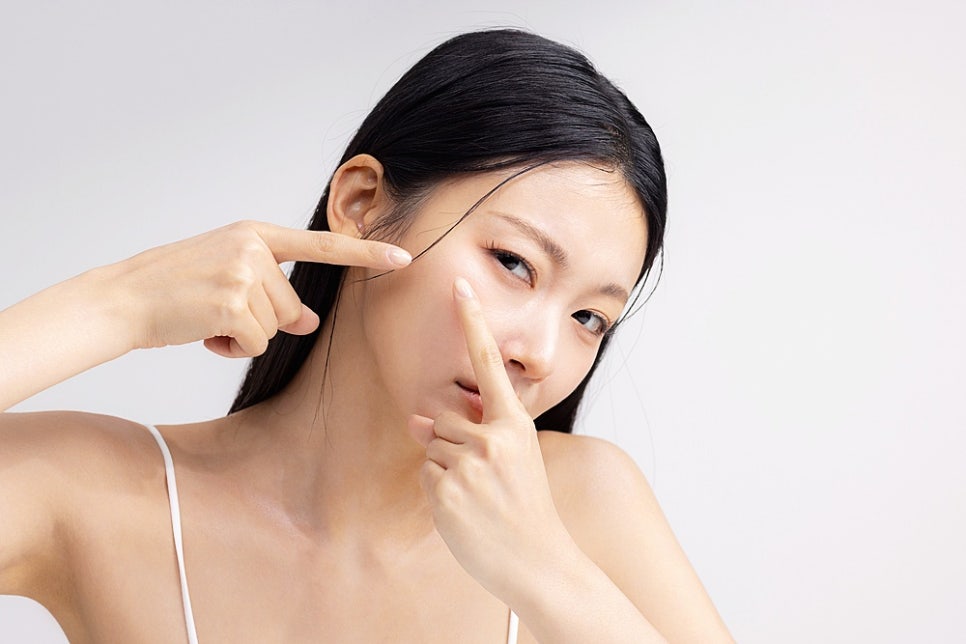
When you finish washing your face at night and stand in front of the mirror, your fingers move before your thoughts do.
You think, “I’ll just take care of one,” but before you know it, several areas of your face have become red. The next morning, you try covering them with foundation, but they stand out even more, so you end up taking a mask with you.
If you read this post to the end, you will be able to understand why the habit of squeezing acne leaves marks and in what order to address marks that have already formed.
A person who said they had been squeezing acne
while looking in the mirror alone for ten years
came to see me.
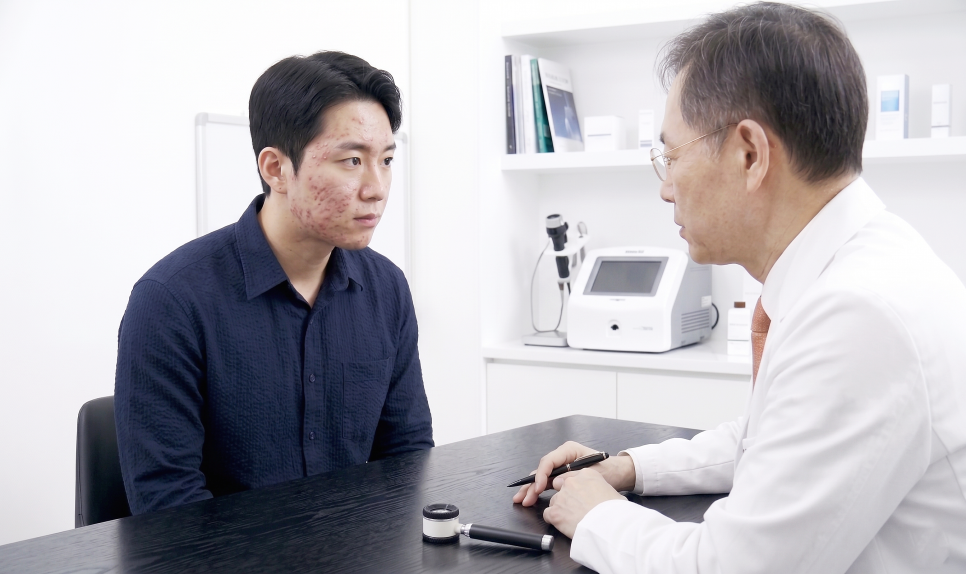
I would first like to share the story of this person in their late twenties, whom I met in the consultation room recently.
They said that ever since acne began appearing in high school, they had always managed it themselves with their hands.
They repeatedly pressed and squeezed the acne with their fingernails, disinfected the area roughly, and covered the redness with concealer the next day for nearly ten years.
They had also changed cosmetics several times and tried nearly every method they found online that was said to be effective.
But what was actually bothering them was not the acne that was appearing at the time.
It was that the red marks along the side of their cheek and the slightly depressed areas stood out particularly noticeably under the office lighting.
I still vividly remember how they covered their cheek with the back of their hand throughout the consultation.
What happens beneath the skin
at the moment you squeeze
Acne begins when sebum and dead skin cells clump together inside a pore and block the passage.
When acne-causing bacteria multiply in the narrowed space, the body triggers an inflammatory response as a defense. This causes redness, swelling, and throbbing pain.
Up to this point, this is a natural process carried out by the body.
The problem comes next.
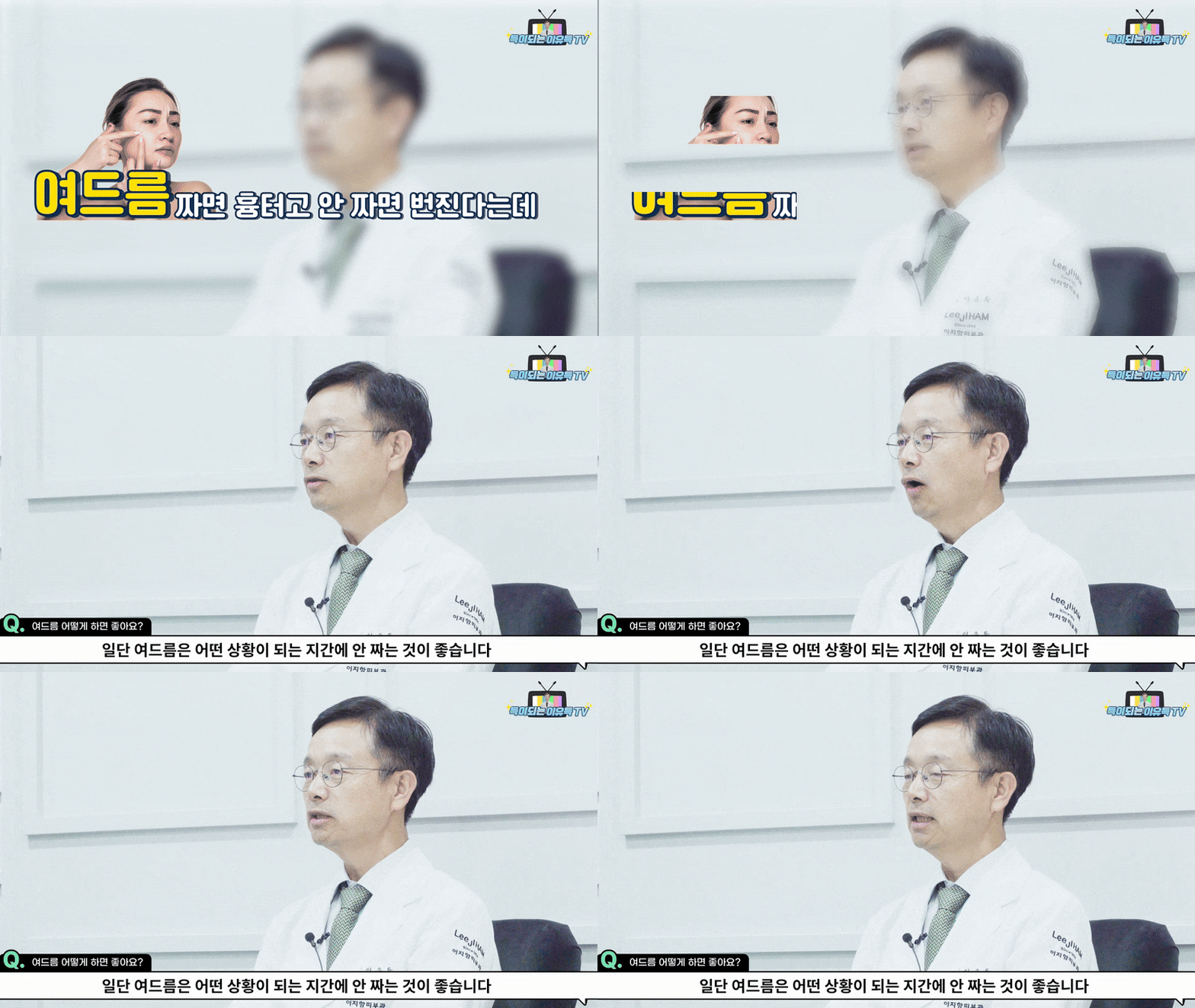
When you press with your hand, a pore whose walls have already become thin can often rupture inward rather than outward.
I often explain that it is similar to pressing firmly on a thin plastic bag from above: the side tears before the opening does.
When the contents spread into the dermis, the area of inflammation becomes much wider than it originally was, and it takes correspondingly longer to settle.
This is why, when consulting about acne at a dermatology clinic near Jeongja Station, one of the first things I ask about is the habit of touching the skin with your hands.
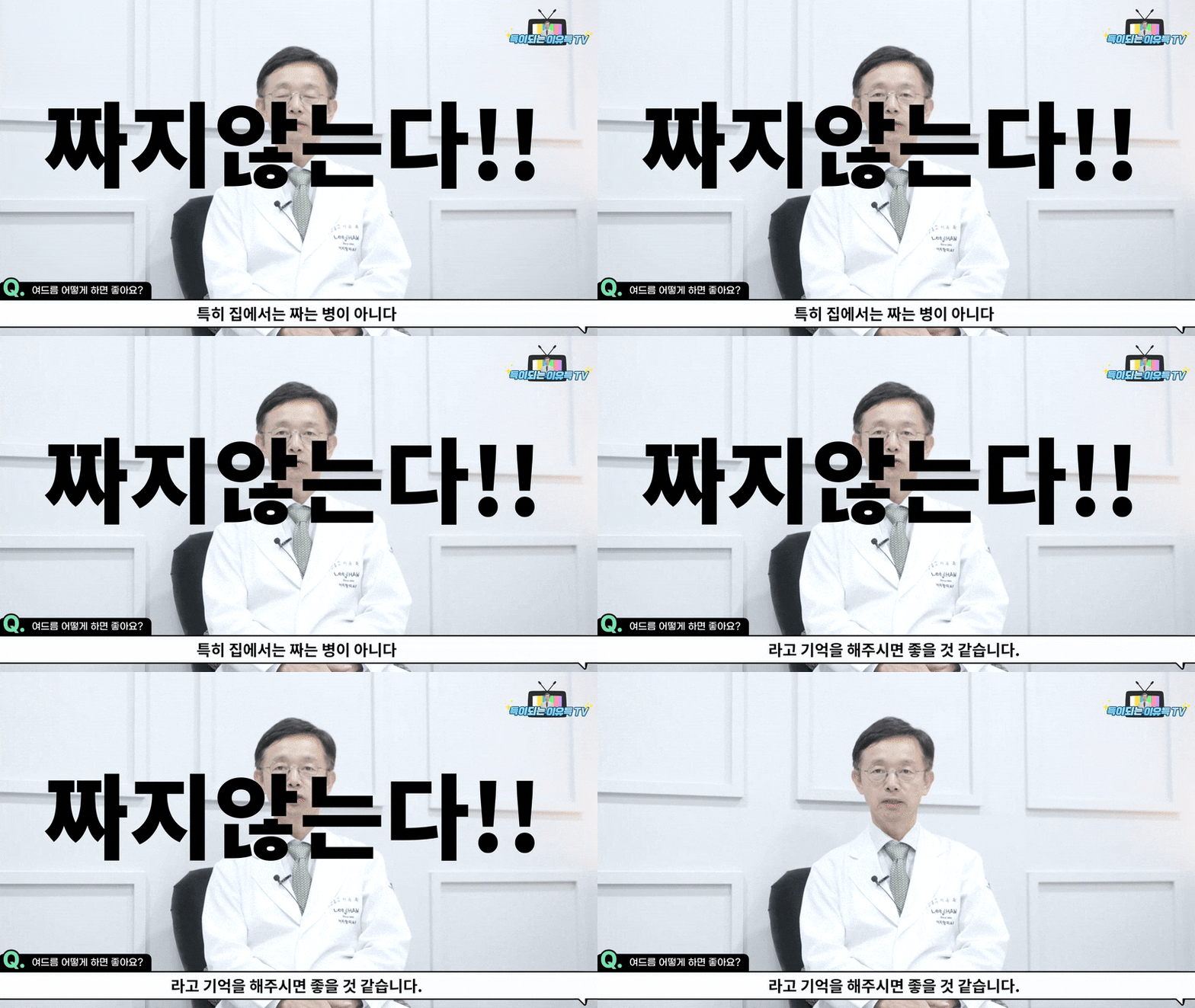
The marks left by your fingertips generally fall into three categories.
The first is red marks.
Even after the inflammation has subsided, enlarged tiny blood vessels can remain in the area, leaving a lingering reddish appearance.
The second is brown marks.
These are caused by hyperpigmentation, as melanocytes stimulated by inflammation produce excessive pigment. They tend to become darker when exposed to ultraviolet rays.
The third is atrophic scarring.
When the collagen structure in the dermis is damaged, the area can become fixed in a depressed shape. Unlike the first two types, these scars are generally not known to fill in on their own simply with the passage of time.
When I compare it to the difference between a stain on wallpaper and a depression in the wall itself, most people nod in agreement.
The reason we first distinguish the type of mark during acne treatment at a dermatology clinic near Jeongja Station is that the methods used to address each type are different.
The order of first calming the acne that is currently active
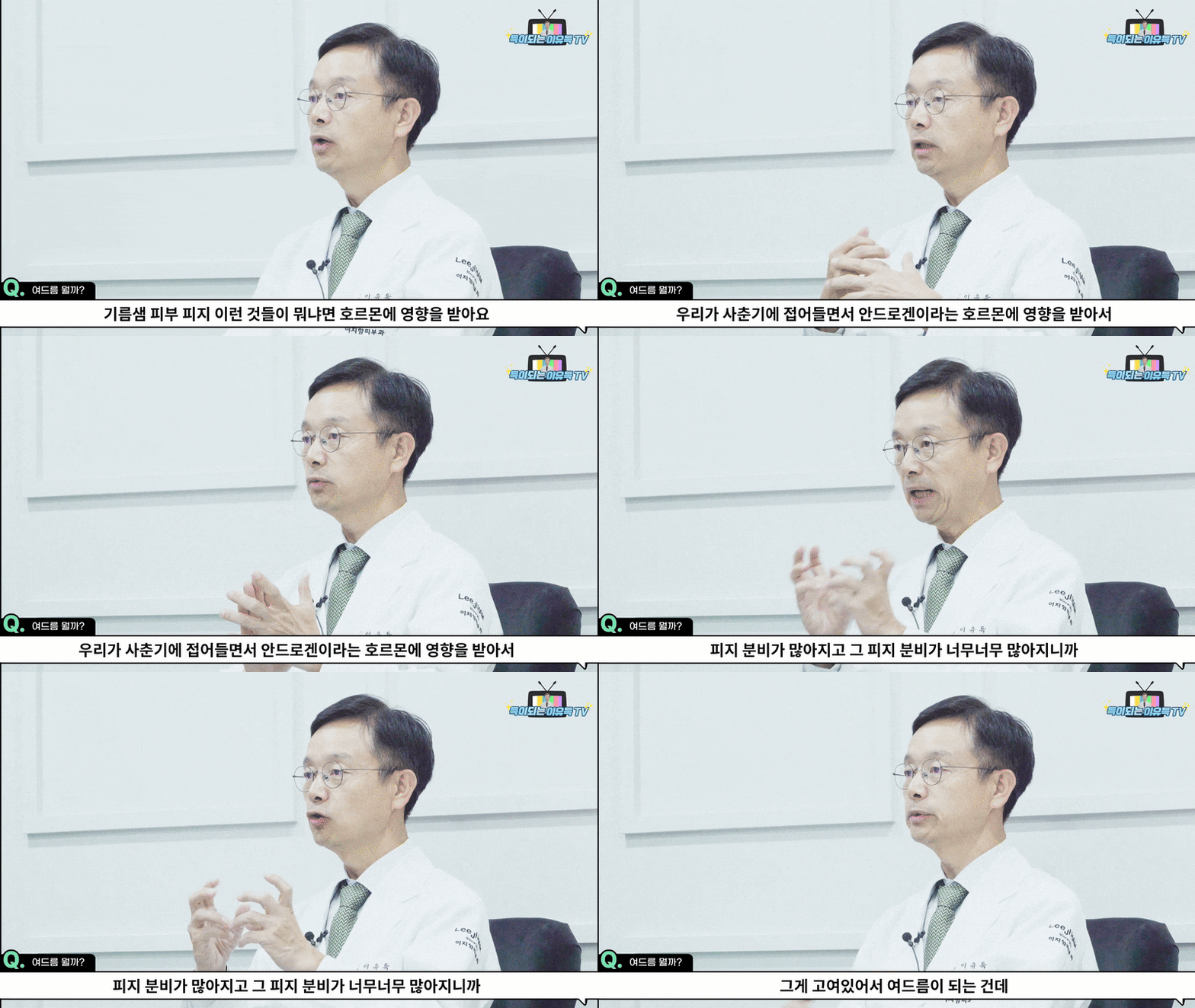
Even if the marks are what concern you most, active acne comes first.
If you address scars while new inflammation continues to appear, new marks can form in the areas that have just been treated.
We generally plan treatment around an eight-week course.
Artlaser is a device that acts selectively on the sebaceous glands and helps reduce sebum production. It may also be possible to expect changes in the appearance of the pores.
With skin scaling and PDT scaling, we clear away dead skin cells and sebum that have been blocking the pores, while IPL is used to address red marks and erythema together.
During treatment, you may feel stinging or a sensation similar to being lightly snapped with a rubber band. If needed, we apply numbing cream.
The duration of an acne treatment course at a dermatology clinic near Jeongja Station can also vary from person to person and may be extended depending on the condition of the skin.
How to address areas that have already become depressed
Depressed scars are often difficult to improve with just one method.
This is because the shape and depth of each scar vary.
The CLO scar restoration procedure we perform combines chemical, laser, and surgical treatments.
Chemical treatment involves placing medication in the scar to stimulate fibroblasts and support collagen and elastin synthesis. Fractional laser treatment creates very fine channels to induce a regenerative response in the dermal layer.
For deeply depressed areas, we may also perform a procedure using a fine needle to release the fibrous tissue that pulls the skin downward.
Treatment is generally carried out over several sessions. Temporary redness, swelling, or flaking may occur after treatment, and recovery time varies from person to person.
What I told that person that day
What I told them was actually simple.
I said that simply not touching the skin from today onward could reduce at least one new mark from forming in the future.
I also suggested that we address what had already formed in order: red marks first, brown marks next, and depressed areas last.
The skin is not something that changes all at once; it gradually becomes more balanced over time.
I believe that a comfortable-looking face lasts longer than an excessive transformation, and I want to accompany you through that process with honest consultations and proven procedures.
If you are raising and lowering your hand in front of the mirror again tonight because of acne and a dermatology clinic near Jeongja Station, I hope you will begin by simply putting that hand down for a moment.
The clinic director answers your questions directly
Q1. Why do red marks remain for a long time after squeezing acne?
A. Tiny blood vessels temporarily enlarge in areas that have been inflamed to support recovery.
Even after the inflammation subsides, it takes time for these vessels to return to normal, which is why a reddish color remains visible.
They generally fade sooner than brown marks, but repeatedly squeezing the area can prolong the process.
Q2. Won’t acne marks disappear on their own if I leave them alone?
A. Red and brown marks often become lighter over time.
However, depressed scars result from damage to the structure of the dermis and are generally known to be difficult to fill in on their own.
That is why it is important to first distinguish between a mark and a scar.

Q3. Can active acne and scars be treated at the same time?
A. When active acne is present, it is generally preferable to stabilize the inflammation first and then move on to scar treatment.
However, depending on the condition of the skin, it may be possible to address both at the same time. We determine the order after assessing the skin during the consultation.
Q4. How is professional care at a dermatology clinic different from squeezing acne yourself?
A. When you squeeze with your hands, you cannot control where the pressure is directed, making it easy for the inflammation to spread inward.
In the consultation room, we first determine whether the lesion requires drainage and then treat only the necessary area with sterilized instruments.
However, redness or flaking may remain after the procedure, and reactions vary from person to person.
Q5. Won’t the acne come back after treatment ends?
A. Because acne is influenced by sebum production and lifestyle habits, it may return if care is not continued.
We recommend paying attention to regular cleansing, appropriate moisturizing, sleep, and eating habits, and combining these with periodic maintenance procedures if needed.
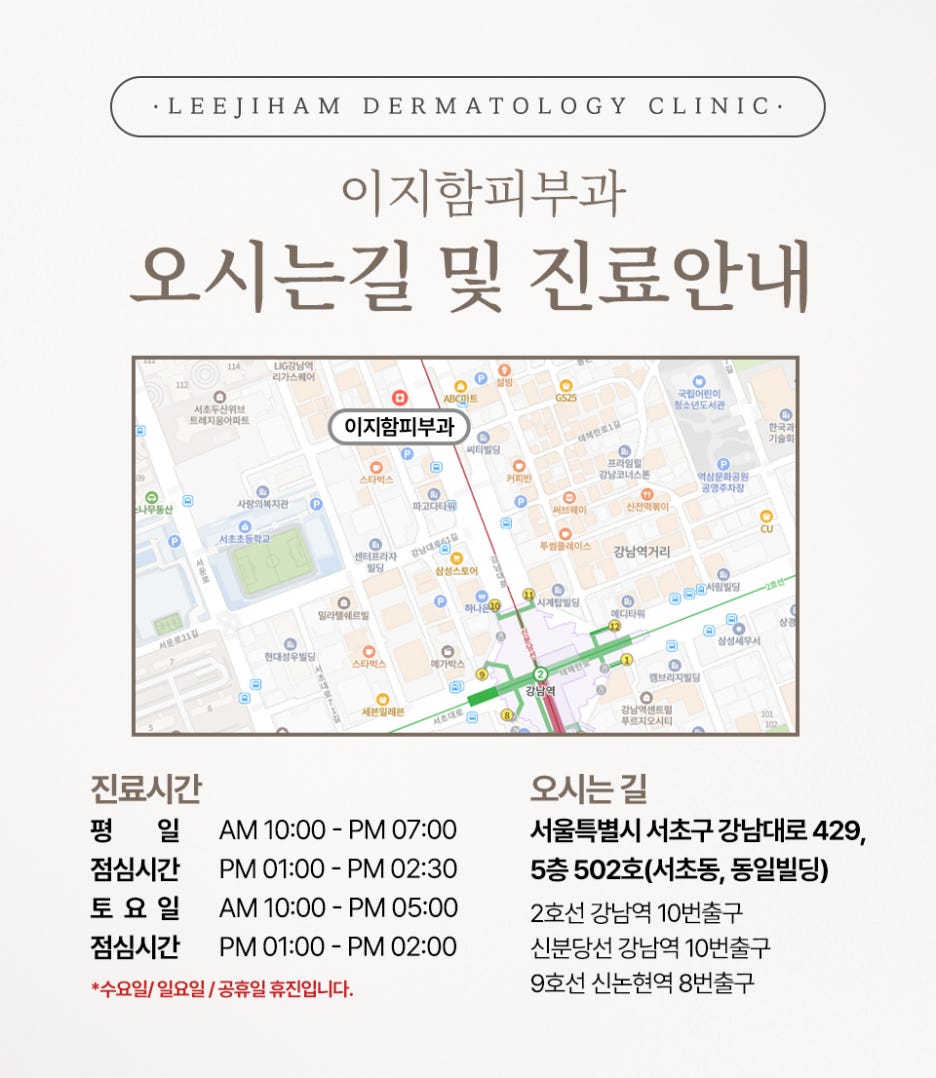
📍 Location
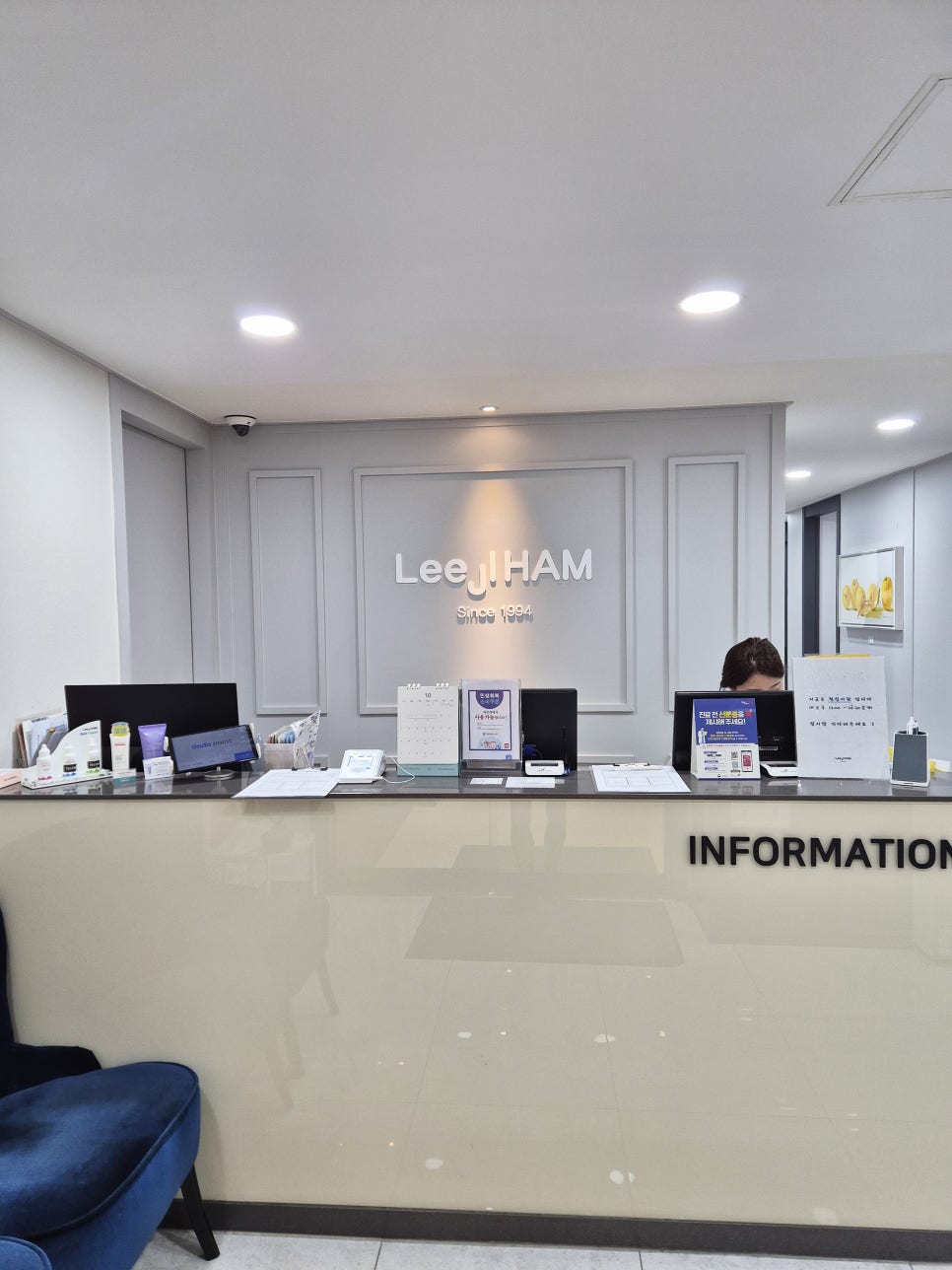
429 Gangnam-daero, Seocho-gu, Seoul
5th floor, Suite 502 (Seocho-dong, Dongil Building)
Located near Gangnam Station and Sinnonhyeon Station.
📞 Phone
02-567-5900
🕐 Hours
· Monday, Tuesday, Thursday, Friday: 10:00–19:00
· Saturday: 10:00–17:00
· Lunch break: Weekdays 13:00–14:30
· Closed: Wednesday, Sunday, and public holidays
The clinic is closed on Wednesdays, Sundays, and public holidays, and consultations pause during the weekday lunch break.
You can reduce your waiting time by calling ahead to confirm the consultation schedule before visiting.